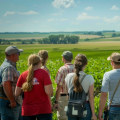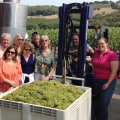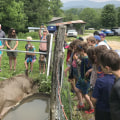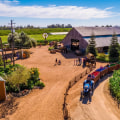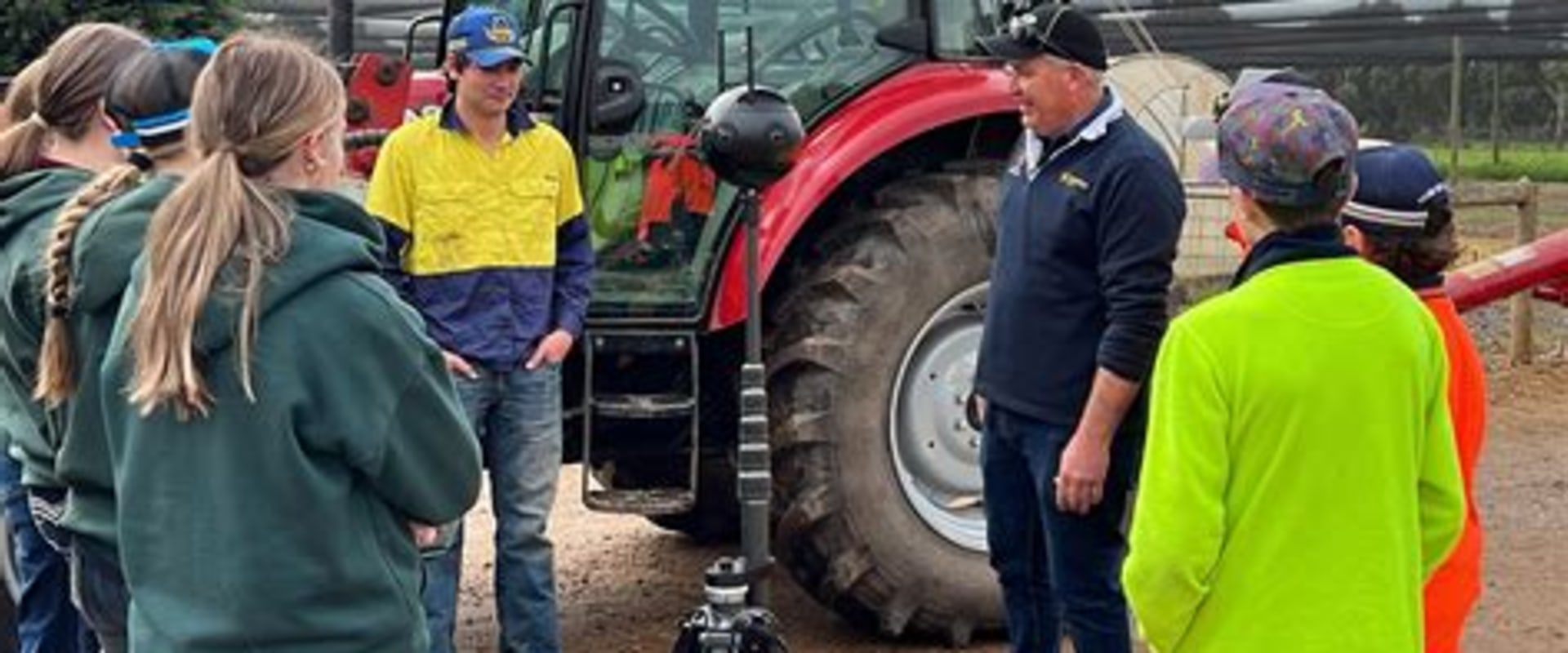
In recent years, farm tours have surged in popularity, captivating the interest of families, school groups, and tourists alike. These immersive experiences allow visitors to step into the world of agriculture, offering a unique opportunity to learn about farming practices, animal husbandry, and sustainable food production. As people become increasingly aware of where their food comes from, the demand for educational and engaging farm tours has grown significantly. One of the primary benefits of participating in farm tours is the chance to connect with local farmers and understand the hard work that goes into producing the food we consume daily. Visitors can witness firsthand the various stages of crop cultivation and livestock care, fostering a deeper appreciation for agricultural practices.
Additionally, many farms incorporate interactive elements such as picking fruits or feeding animals, making these tours not only informative but also enjoyable for all ages. As the popularity of farm tours continues to rise, it is essential to consider the safety measures in place during these excursions. Ensuring a safe environment for visitors is paramount, as farms can present unique hazards. In the following sections, we will explore the specific safety precautions that are typically implemented during farm tours to protect both guests and farm operations.
Importance of Safety Precautions on Farm Tours
When embarking on farm tours, understanding the importance of safety precautions cannot be overstated. Farms, while often picturesque and inviting, can present various risks that necessitate careful planning and adherence to safety measures.From large machinery to livestock interactions, the potential hazards are numerous, making it essential for both tour operators and visitors to prioritize safety.
Why Safety Matters
- Preventing Accidents: The presence of heavy equipment and animals can lead to accidents if proper precautions are not taken. Ensuring that visitors are aware of their surroundings and follow guidelines can significantly reduce the risk of injury.
- Protecting Visitors: Farm tours often attract individuals of all ages, including children who may not fully understand the dangers present. Implementing safety measures helps protect these vulnerable groups from potential harm.
- Enhancing Experience: A safe environment allows visitors to enjoy their experience without fear or anxiety. When safety is prioritized, guests can focus on learning about farming practices and enjoying the beauty of the landscape.
- Guided Tours: Many farms offer guided tours led by knowledgeable staff who can provide insights while ensuring that safety protocols are followed.
- Clear Signage: Farms should have clear signs indicating restricted areas, potential hazards, and safety instructions to keep visitors informed.
- Protective Gear: Depending on the activities involved in the tour, wearing appropriate protective gear such as helmets or boots may be necessary.
- Emergency Procedures: Tour operators should have emergency procedures in place and communicate them to visitors at the start of the tour.
By implementing effective safety precautions, farms can create a welcoming environment that allows guests to appreciate the agricultural world while minimizing risks.
Common Safety Precautions Implemented During Farm Tours
When participating in farm tours, safety is a top priority for both visitors and farm operators. To ensure a safe and enjoyable experience, many farms implement a variety of common safety measures that are designed to protect everyone involved.- Guided Tours: Most farms offer guided tours led by knowledgeable staff who are trained in safety protocols. These guides provide essential information about the farm's operations and highlight areas that may pose risks, ensuring that visitors stay within safe boundaries.
- Protective Gear: Depending on the activities involved in the tour, farms may require visitors to wear protective gear such as helmets, gloves, or boots. This is particularly important in areas where heavy machinery is in use or where there are livestock present.
- Emergency Protocols: Farms typically have emergency procedures in place, including first aid kits and designated meeting points in case of an emergency.
Visitors are often briefed on these protocols at the beginning of the tour to ensure they know what to do if an incident occurs.
- Health Guidelines: In light of recent health concerns, many farms have adopted additional health guidelines. This may include social distancing measures, mask-wearing requirements, and sanitization stations throughout the tour route.
- Age Restrictions: Some farms may impose age restrictions for certain areas or activities to ensure that younger visitors are not exposed to potentially hazardous situations.
Health and Hygiene Protocols on Farm Tours
In light of recent health concerns, particularly due to the COVID-19 pandemic, farm tours have implemented a range of health and hygiene protocols to ensure the safety of all visitors. These measures are designed to minimize risks and provide a safe environment for everyone involved.Health Protocols:
- Pre-Visit Health Screening: Many farms require visitors to complete a health screening questionnaire prior to arrival.
This may include questions about recent travel, exposure to illness, and any symptoms.
- Temperature Checks: Upon arrival, visitors may undergo temperature checks to identify anyone who may be exhibiting signs of illness.
- Limited Group Sizes: To maintain social distancing, farm tours often limit the number of participants in each group. This helps ensure that everyone can enjoy the experience while keeping a safe distance from others.
Hygiene Measures:
- Hand Sanitizing Stations: Farms typically provide hand sanitizing stations at various points throughout the tour. Visitors are encouraged to use these stations frequently, especially before and after interacting with animals or touching surfaces.
- Mask Requirements: Depending on local regulations and guidelines, wearing masks may be mandatory during the tour, particularly in enclosed spaces or when social distancing cannot be maintained.
- Regular Cleaning: High-touch areas such as restrooms, seating areas, and equipment are cleaned and disinfected regularly to reduce the risk of transmission.
COVID-19 Safety Measures:
- Contactless Payment Options: To minimize physical contact, many farms offer contactless payment methods for tickets and merchandise.
- Clear Communication: Farms are committed to keeping visitors informed about their safety protocols through signage and pre-visit communications, ensuring everyone is aware of the measures in place.
What to Expect: Safety Briefings Before Tours
Before embarking on a farm tour, visitors can expect a thorough safety briefing designed to ensure a secure and enjoyable experience.These briefings are typically conducted by knowledgeable guides who prioritize the well-being of all participants.
Key Components of Safety Briefings:
- Introduction to Farm Hazards: Guides will outline potential hazards present on the farm, such as machinery, livestock, and uneven terrain. Understanding these risks is crucial for maintaining safety during the tour.
- Personal Protective Equipment (PPE): Depending on the nature of the tour, visitors may be required to wear specific PPE, such as closed-toe shoes or gloves. The guide will inform participants about any necessary equipment and its importance.
- Emergency Procedures: In case of an emergency, guides will explain the procedures to follow, including evacuation routes and first aid locations. Knowing these protocols can significantly enhance safety during the visit.
- Behavioral Guidelines: Visitors will receive instructions on appropriate behavior while on the farm.
This includes staying with the group, not feeding animals without permission, and avoiding restricted areas.
Frequently Asked Questions About Farm Tour Safety
When considering a farm tour, many visitors have questions regarding safety measures in place to ensure a secure and enjoyable experience. Here are some common inquiries and their answers:- What safety precautions are taken during farm tours?
Farm tours typically implement several safety measures, including: - Guided tours led by knowledgeable staff who are trained in safety protocols.
- Clear signage throughout the farm indicating safe paths and areas to avoid.
- Regular maintenance of equipment and facilities to prevent accidents.
- Are children safe on farm tours?
Yes, children can safely participate in farm tours.However, it is essential for parents or guardians to supervise them closely. Many farms offer age-appropriate activities and ensure that areas accessible to children are secure.
- What should I wear for a farm tour?
Visitors are encouraged to wear comfortable clothing and sturdy shoes suitable for outdoor activities. Closed-toe shoes are particularly important to protect against uneven terrain and potential hazards. - Are there any health precautions due to animals?
Yes, farms often have guidelines regarding interactions with animals. Visitors may be advised to wash their hands after petting animals or before eating.Some farms also provide hand sanitizing stations for convenience.
Tips for Visitors: Staying Safe During Your Farm Tour
When embarking on a farm tour, ensuring your safety is paramount. Here are some essential tips for safe farm tours that will help you enjoy your experience while minimizing risks.- Wear Appropriate Clothing: Dress in layers and wear sturdy, closed-toe shoes. Avoid loose clothing that could get caught in machinery or other farm equipment.
- Follow the Guide's Instructions: Always listen to your tour guide and adhere to their safety instructions.
They are trained to ensure your safety and provide valuable insights about the farm.
- Stay Within Designated Areas: Farms can be hazardous, with uneven terrain and moving machinery. Stick to marked paths and areas designated for visitors.
- Be Aware of Your Surroundings: Keep an eye out for farm animals, vehicles, and equipment. Always be cautious when approaching animals, as they can be unpredictable.
- Use Sunscreen and Stay Hydrated: If your tour is outdoors, protect yourself from sun exposure by applying sunscreen and wearing a hat. Bring water to stay hydrated, especially on hot days.
- Inform the Guide of Any Allergies: If you have allergies, particularly to animals or plants, inform your guide beforehand so they can take necessary precautions.
Remember that farms are working environments, so being mindful of your surroundings and adhering to safety protocols is crucial for a fun day out.
Conclusion: Prioritizing Safety for an Enjoyable Farm Tour Experience
In conclusion, ensuring safety during farm tours is paramount for both visitors and farm operators. The various precautions implemented not only protect individuals but also enhance the overall experience, allowing guests to fully engage with the agricultural environment without unnecessary risks. Throughout this article, we have highlighted several key safety measures that are typically in place during farm tours. These include:- Guided Tours: Professional guides are often present to lead groups, providing valuable information while monitoring safety.
- Safety Briefings: Before the tour begins, participants usually receive a briefing on safety protocols, including how to interact with animals and navigate the farm.
- Protective Gear: Depending on the activities involved, visitors may be required to wear appropriate clothing or gear, such as closed-toe shoes or gloves.
- Animal Interaction Guidelines: Clear instructions are provided regarding how to safely interact with farm animals, minimizing the risk of injury.
- Emergency Procedures: Farms typically have established emergency protocols in case of accidents or unexpected situations, ensuring a swift response.
By adhering to established guidelines and being aware of surroundings, visitors can appreciate the beauty and intricacies of farm life while ensuring their well-being and that of others.