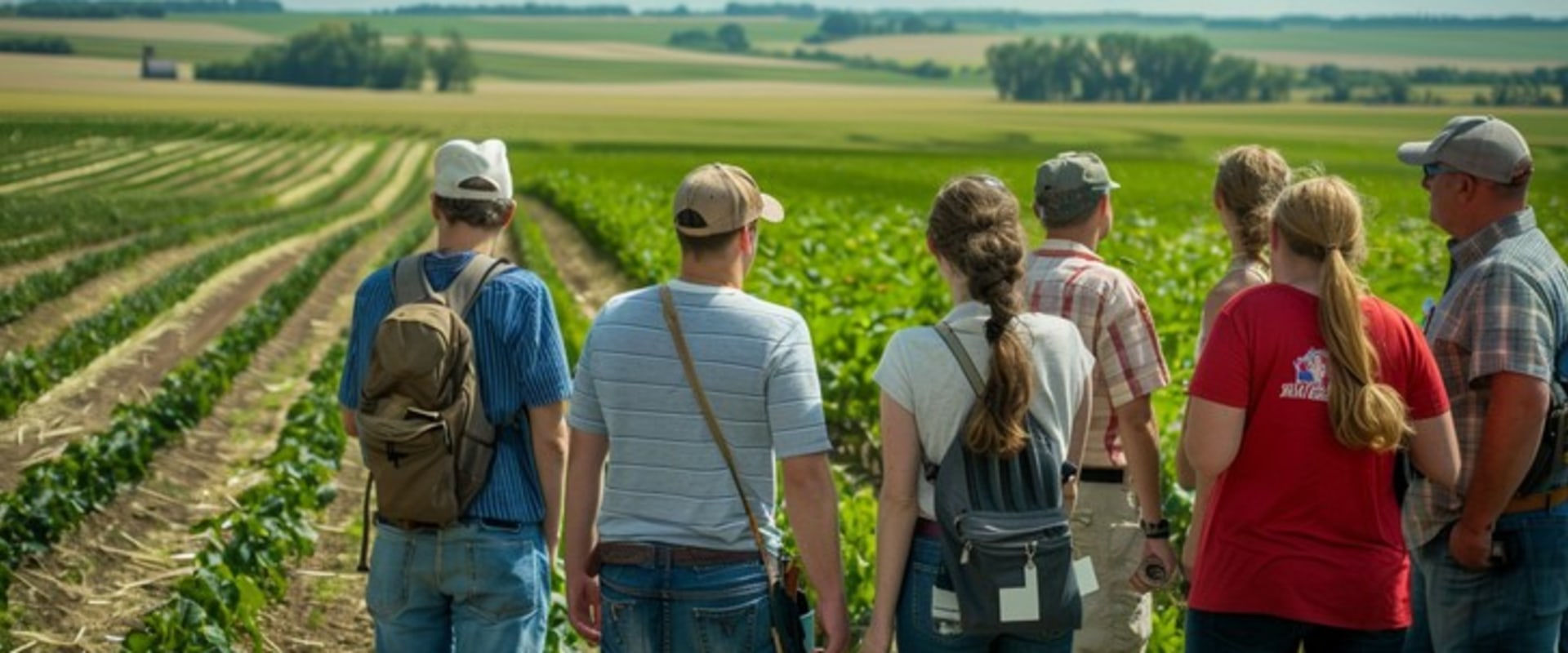
In recent years, farm tours have surged in popularity, attracting individuals and families eager to connect with the origins of their food. These immersive experiences not only provide a glimpse into the daily operations of a working farm but also serve as a vital educational tool. As more people become interested in sustainable practices and local food systems, the role of educational farm tours has never been more significant. Farm tours offer a unique opportunity to learn about various aspects of agriculture, from crop cultivation to animal husbandry. Participants can engage directly with farmers, gaining insights into the challenges and rewards of farming life.
This hands-on experience fosters a deeper understanding of where food comes from and the importance of supporting local agriculture. Moreover, many tours incorporate discussions on sustainability, teaching visitors about eco-friendly practices that can be applied in their own lives. The benefits of farm tours extend beyond mere observation; they encourage critical thinking about food choices and environmental stewardship. By participating in these tours, individuals not only enrich their knowledge but also cultivate a sense of community and responsibility towards the land. As we explore the various educational components of farm tours, it becomes clear that these experiences are not just about seeing farms—they are about fostering a connection to our food and the environment that sustains us.
Understanding Farm Tours: What They Are and What to Expect
Farm tours are organized visits to agricultural settings where participants can learn about farming practices, animal husbandry, and the overall workings of a farm.These tours can vary significantly in focus and format, catering to a wide range of interests and age groups.
Types of Farm Tours
- Educational Tours: These tours are designed to provide in-depth knowledge about farming techniques, sustainability practices, and the science behind agriculture. Participants often engage in hands-on activities, such as planting seeds or feeding animals, which enhances their learning experience.
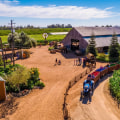
- Recreational Tours: Aimed at families and casual visitors, these tours focus more on the enjoyment of the farm environment. They may include activities like hayrides, corn mazes, and petting zoos, making them ideal for a fun day out.
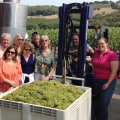
- Specialized Tours: Some farms offer niche tours that focus on specific aspects of farming, such as organic farming, dairy production, or vineyard tours. These experiences often include tastings or product samples.
What to Expect During a Farm Tour
When participating in a farm tour, visitors can expect a structured itinerary that typically includes:- Guided Walks: Most tours are led by knowledgeable guides who share insights about the farm's history, operations, and the various crops or animals present.
- Interactive Experiences: Many farms encourage visitor participation through hands-on activities.
This could involve picking fruits, milking cows, or learning about crop rotation.
- Q&A Sessions: Participants often have the opportunity to ask questions during or after the tour, allowing for a deeper understanding of agricultural practices.
The Educational Components of Farm Tours
Farm tours are not just about exploring the picturesque landscapes and interacting with animals; they are rich in educational components that cater to visitors of all ages. These tours often incorporate a variety of hands-on activities, guided discussions, and interactive exhibits that enhance the learning experience.Hands-On Activities
- Planting and Harvesting: Many farm tours offer participants the chance to engage in planting seeds or harvesting crops, providing a tangible connection to the food they consume.
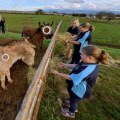
- Animal Care: Visitors can often assist in feeding or grooming animals, which teaches responsibility and empathy towards livestock.
Guided Discussions
During farm tours, knowledgeable guides lead discussions that cover a range of topics, from sustainable farming practices to the importance of biodiversity. These discussions are designed to provoke thought and encourage questions, making the experience more interactive. For instance, a guide might explain how organic farming methods differ from conventional ones, allowing visitors to understand the impact of their food choices.
Interactive Exhibits
- Demonstration Stations: Many farms set up stations where visitors can see processes like cheese-making or butter-churning in action.
- Educational Signage: Informative signs throughout the farm provide insights into various crops, animal breeds, and farming techniques.
By participating in these activities, individuals gain valuable knowledge about where their food comes from and the efforts involved in its production. This understanding is crucial in today’s world, where many are disconnected from the origins of their meals.In conclusion, farm tours serve as an excellent platform for farm education programs, making learning enjoyable and accessible. Whether you are a child or an adult, there is always something new to discover on a farm tour that can inspire a lifelong interest in agriculture and sustainability.
Benefits of Educational Farm Tours for Different Audiences
Educational farm tours offer a multitude of benefits for various audiences, including families, schools, and community organizations. These experiences not only provide a fun day out but also serve as a vital educational tool that fosters a deeper understanding of agriculture and the environment.Benefits for Families
- Hands-on Learning: Families can engage in interactive activities such as planting seeds, feeding animals, and harvesting crops, which enhances their understanding of where food comes from.
- Quality Time: Farm tours provide an opportunity for families to bond over shared experiences in a natural setting, promoting teamwork and communication.
- Health Awareness: Exposure to fresh produce and discussions about nutrition can encourage healthier eating habits among family members.
Benefits for Schools
- Curriculum Enhancement: Educational farm tours can complement classroom learning by providing real-world applications of subjects like science, biology, and environmental studies.
- Field Trip Opportunities: Schools can organize field trips that allow students to explore agricultural practices, sustainability, and the importance of biodiversity.
- Critical Thinking: Students are encouraged to ask questions and think critically about food production and environmental stewardship during guided tours.
Benefits for Community Organizations
- Community Engagement: Farm tours can serve as a platform for community organizations to engage with local residents, fostering a sense of community and shared responsibility towards sustainable practices.
- Workshops and Events: Many farms offer workshops on topics such as organic farming, composting, and cooking demonstrations that can benefit community members.
- Awareness Campaigns: Educational tours can help raise awareness about local agricultural issues, food security, and environmental conservation efforts.
They not only enhance knowledge about agriculture but also promote healthy lifestyles and community involvement. By participating in these tours, families, schools, and organizations can cultivate a stronger connection to the land and its resources.
Case Studies: Successful Educational Farm Tours
Educational farm tours have gained traction as effective tools for engaging participants in agricultural education. Here are some notable case studies that exemplify successful approaches to these tours:- Green Acres Farm: This farm tour integrates hands-on activities with guided learning. Visitors participate in planting seeds and harvesting vegetables, which not only teaches them about sustainable farming practices but also allows them to experience the process firsthand.
Feedback from participants indicates a significant increase in their understanding of where food comes from.
- Sunny Meadows Organic Farm: This farm focuses on organic farming methods and offers workshops during their tours. By incorporating expert talks on soil health and pest management, they provide valuable insights into organic agriculture. Participants leave with practical knowledge they can apply in their own gardens, enhancing the educational value of the tour.
- Heritage Homestead: This tour emphasizes historical farming techniques and their relevance today. By showcasing traditional methods alongside modern practices, visitors gain a comprehensive view of agricultural evolution.
The use of storytelling and interactive exhibits has proven effective in keeping participants engaged and informed.
- Interactive Learning: Engaging visitors through hands-on activities fosters a deeper connection to the material.
- Diverse Educational Content: Covering various topics, from sustainability to history, caters to a wider audience and enriches the learning experience.
- Expert Involvement: Involving knowledgeable speakers or farmers adds credibility and depth to the information presented.
Frequently Asked Questions About Educational Farm Tours
When considering a farm tour, many potential visitors have questions about the educational components involved. Here are some frequently asked questions that can help clarify what to expect:- What types of educational activities are included in farm tours?
Most farm tours offer a variety of educational activities, such as guided walks through fields, demonstrations of farming techniques, and discussions about sustainable practices. Visitors often have the opportunity to learn about crop cycles, animal husbandry, and the importance of biodiversity. - Are there age-specific programs available?
Many farms cater to different age groups by offering tailored programs. For example, children may enjoy hands-on activities like planting seeds or feeding animals, while adults might appreciate more in-depth discussions on agricultural science and economics. - Can I ask questions during the tour?
Absolutely! Most farm tours encourage questions and interaction.Guides are typically knowledgeable and eager to share insights about their operations, making it a great opportunity for learning.
- What should I know before attending a farm tour?
Before your visit, it’s helpful to check the farm’s website for specific details about the tour. Look for information on duration, accessibility, and any special events or workshops that may be taking place. Additionally, consider wearing comfortable clothing and shoes suitable for outdoor activities.
How to Choose the Right Educational Farm Tour for You
Choosing the right educational farm tour can significantly enhance your experience and ensure that you gain valuable insights.Here are some key factors to consider when selecting a tour that aligns with your interests and learning objectives:
- Identify Your Interests: Consider what aspects of farming intrigue you the most. Are you interested in sustainable practices, organic farming, or animal husbandry? Knowing your interests will help narrow down your options.
- Age Appropriateness: If you’re planning a family outing, check if the tour is suitable for children. Some farms offer interactive experiences tailored for younger audiences, while others may focus on more advanced topics that appeal to adults.
- Learning Objectives: Define what you hope to learn from the tour. Are you looking for hands-on experiences, or do you prefer a guided discussion about agricultural techniques? Different tours cater to different educational goals.
- Duration and Accessibility: Consider how much time you can dedicate to the tour.
Some farm tours last only a couple of hours, while others may span an entire day. Additionally, check if the farm is accessible for all participants, including those with mobility challenges.
- Reviews and Recommendations: Look for reviews from previous visitors to gauge the quality of the educational experience. Websites and social media platforms can provide insights into what others found valuable about their tours.
Conclusion: The Lasting Impact of Educational Farm Tours
In conclusion, educational farm tours serve as a vital bridge between consumers and the agricultural world.These experiences not only provide insight into the daily operations of farms but also foster a deeper understanding of where our food comes from. By engaging with farmers and witnessing sustainable practices firsthand, participants gain valuable knowledge that can influence their choices and behaviors.Throughout this article, we explored several key components that highlight the educational value of farm tours:
- Hands-on Learning: Visitors often have the opportunity to participate in activities such as planting, harvesting, or animal care, which enhances their learning experience.
- Understanding Sustainability: Many farm tours emphasize sustainable farming practices, educating visitors on the importance of environmental stewardship and responsible consumption.
- Community Engagement: Farm tours often bring together local communities, fostering connections between consumers and producers, which can lead to increased support for local agriculture.
- Agricultural Literacy: By demystifying farming processes, these tours help combat misconceptions about agriculture and promote informed discussions about food systems.