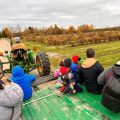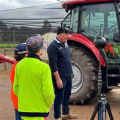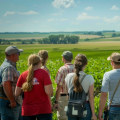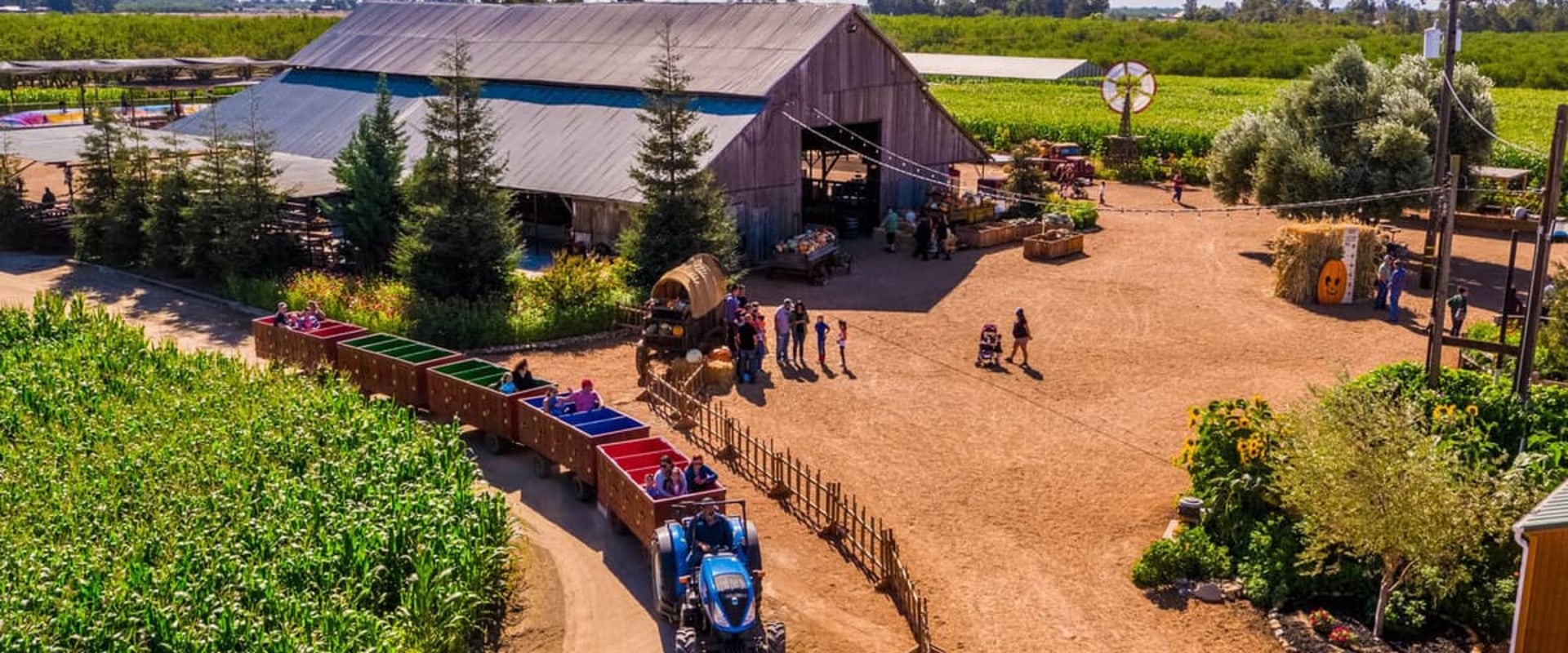
Farm tours have emerged as a captivating way for visitors to connect with the land, learn about sustainable practices, and experience the charm of rural life. These immersive experiences allow individuals and families to step away from their daily routines and explore the intricate workings of a farm. Whether it’s a small family-run operation or a large commercial enterprise, farm tours offer a unique glimpse into the agricultural world, showcasing everything from crop cultivation to animal husbandry. The significance of farm tours lies not only in their educational value but also in their ability to foster a deeper appreciation for food sources and farming methods. As agritourism continues to grow in popularity, more people are seeking out these experiences to understand where their food comes from and the hard work that goes into producing it.
Visitors often leave with a newfound respect for farmers and the challenges they face, making farm tours an essential part of the modern travel landscape. Moreover, farm tour experiences can vary widely, catering to diverse interests and age groups. From hands-on activities like fruit picking and animal feeding to guided walks through fields and orchards, there’s something for everyone. Many farms also incorporate local food tastings, workshops, and seasonal events that enhance the overall experience. This blend of education and enjoyment not only enriches visitors' knowledge but also supports local economies by promoting farm-to-table initiatives.
The Main Focus of Farm Tours
Farm tours serve as a vital link between consumers and the agricultural practices that sustain our food systems.The main focus of farm tours is to provide visitors with an immersive experience that educates them about various aspects of farming, from crop cultivation to livestock management.One of the primary objectives of these tours is to promote sustainability. Visitors learn about eco-friendly farming techniques, such as organic farming, crop rotation, and water conservation methods. Understanding these practices is crucial as it empowers consumers to make informed choices about the food they purchase and consume.Additionally, farm tours often highlight the importance of local food systems. By showcasing how food is grown and harvested, these tours foster a deeper appreciation for local produce and encourage support for nearby farmers.
This connection not only benefits the local economy but also reduces the carbon footprint associated with transporting food over long distances.During a farm tour, participants can expect to:
- Engage with Farmers: Direct interaction with farmers allows visitors to ask questions and gain insights into daily operations.
- Observe Farming Techniques: Tours often include demonstrations of modern farming equipment and traditional methods.
- Taste Fresh Produce: Many tours offer samples of seasonal fruits and vegetables, enhancing the sensory experience.
- Learn About Animal Care: For farms that raise livestock, visitors can observe animal husbandry practices and understand their significance in sustainable agriculture.
Types of Farm Tours Available
Farm tours come in various formats, each offering unique experiences tailored to different interests and preferences. Understanding the types of farm tours available can help you choose the one that best suits your needs.Guided Farm Tours
Guided farm tours are led by knowledgeable hosts who provide insights into the farming process, history, and practices. These tours often include:- Interactive experiences: Participants may engage in activities such as feeding animals or picking fruits.
- Educational components: Guides share information about sustainable practices, crop cycles, and animal husbandry.
- Q&A sessions: Attendees can ask questions and gain deeper understanding of farm operations.
Self-Guided Farm Tours
If you prefer a more flexible experience, self-guided farm tours allow you to explore at your own pace.These tours typically include:
- Maps and brochures: Visitors receive materials that outline the farm layout and points of interest.
- Signage: Informational signs throughout the farm provide context and details about various attractions.
- Personal exploration: You can spend as much time as you like at each stop, making it ideal for families or groups with varying interests.
Specialized Farm Tours
Specialized farm tours focus on specific types of agriculture or farming practices. Some popular options include:- Organic farms: Learn about organic farming methods and the benefits of sustainable agriculture.
- Dairy farms: Discover the process of milk production, from cow to carton, often including tastings of fresh dairy products.
- Poultry farms: Explore how eggs are produced and the care involved in raising chickens.
What to Expect on a Farm Tour
When embarking on a farm tour, visitors can anticipate a rich tapestry of experiences that connect them to the land and its produce. Each tour is unique, but there are common activities that many farms offer to enhance the visitor experience.Typical Activities During a Farm Tour
- Animal Interactions: Many farm tours include opportunities to meet and interact with farm animals. Visitors may have the chance to feed goats, pet sheep, or even hold chicks, providing a hands-on experience that is both educational and enjoyable.
- Crop Education: A significant focus of farm tours is educating visitors about various crops.
Guides often explain the growing process, seasonal cycles, and sustainable farming practices. This knowledge helps visitors appreciate the hard work that goes into producing their food.
- Tastings: Many farms offer tastings of their products, whether it’s fresh fruits, vegetables, or artisanal goods like cheese and honey. This not only supports local agriculture but also allows visitors to savor the flavors of the farm.
- Guided Walks: A guided walk through the fields or orchards is a staple of many farm tours. These walks provide insight into the farm's layout, the types of crops grown, and the ecological practices employed to maintain soil health and biodiversity.
Sample Farm Tour Itinerary
A typical farm tour itinerary might look like this:- Welcome and Introduction
- Animal Interaction Session
- Crop Education Walk
- Tasting of Seasonal Produce
- Q&A Session with Farmers
Whether you are a family looking for an educational outing or a foodie eager to learn about local produce, a farm tour promises an enriching experience that connects you to the source of your food.
The Educational Value of Farm Tours
Farm tours offer a unique opportunity for visitors to engage with the world of agriculture in a hands-on manner. These experiences are not just about observing; they are designed to educate participants on various aspects of farming, sustainability, and food production.Educational Benefits of Farm Tours
- Understanding Agriculture: Visitors learn about different farming practices, crop cycles, and livestock management. This knowledge helps demystify the processes behind food production.
- Environmental Stewardship: Many farm tours emphasize sustainable practices, teaching visitors how farmers can protect natural resources while producing food. This includes lessons on soil health, water conservation, and biodiversity.
- Food Production: Participants gain insights into where their food comes from, including the journey from farm to table.
This understanding fosters a greater appreciation for local produce and encourages healthier eating habits.
Learning Opportunities on a Farm Tour
Farm tours often include interactive elements such as:
- Workshops: Hands-on workshops allow visitors to try their hand at planting, harvesting, or even cooking with fresh ingredients.
- Guided Tours: Knowledgeable guides share stories and facts about the farm's history, operations, and the importance of agriculture in the community.
- Tastings: Many tours incorporate tastings of fresh produce or farm-made products, providing a sensory experience that enhances learning.
Educational Programs in Agritourism
Agritourism is increasingly incorporating educational programs aimed at all ages. Schools often organize field trips to farms where students can learn about science through agriculture. Workshops for adults may focus on sustainable gardening or cooking classes that highlight seasonal ingredients. These programs not only enrich knowledge but also promote community engagement and support for local farmers.In conclusion, farm tours serve as an invaluable resource for education, bridging the gap between consumers and producers while fostering a deeper understanding of our food systems.
Connecting with Local Farmers and Communities
Farm tours offer a unique opportunity to connect with local farmers and gain insight into their daily lives and practices.These experiences foster a deeper understanding of the agricultural processes that sustain our communities. By engaging directly with farmers, visitors can learn about the challenges they face, the innovations they implement, and the passion that drives their work.One of the most significant impacts of farm tours is their ability to strengthen community ties. When visitors participate in these tours, they not only support local agriculture but also contribute to the economic vitality of rural areas. This connection helps to create a sense of belonging and appreciation for the land and its stewards.
- Building Relationships: Farm tours allow for personal interactions between visitors and farmers, creating lasting relationships that can lead to ongoing support for local initiatives.
- Understanding Community Dynamics: Participants gain insights into how farms operate within the larger context of their communities, including local markets, schools, and environmental stewardship.
- Supporting Local Agriculture: By choosing to participate in farm tours, visitors are making a conscious decision to support sustainable practices and local economies.
They serve as a platform for education and awareness about food systems, sustainability, and the importance of preserving local heritage. As visitors learn about organic farming methods or the significance of crop rotation, they become advocates for responsible consumption and environmental stewardship.In conclusion, farm tours are more than just a recreational activity; they are a vital link between consumers and producers. By fostering connections with local farmers and understanding community dynamics, these tours play a crucial role in supporting local agriculture and promoting sustainable practices that benefit everyone involved.
Frequently Asked Questions About Farm Tours
When considering a farm tour, many potential visitors have questions that can enhance their experience. Here are some frequently asked questions:- What should I wear on a farm tour? It's best to wear comfortable clothing and sturdy shoes, as you may encounter uneven terrain and outdoor conditions.
Consider layering your outfit to adapt to changing weather.
- Are farm tours suitable for children? Yes, most farm tours are family-friendly and offer engaging activities for children. However, it's wise to check with the farm beforehand to ensure they have age-appropriate experiences.
- How long do farm tours typically last? The duration of a farm tour can vary, but most last between one to three hours. This allows ample time to explore the farm, learn about its operations, and participate in activities.
- What can I expect to see on a farm tour? Visitors can expect to see various aspects of farm life, including crops, livestock, and farming equipment. Many tours also include educational components about sustainable practices and local agriculture.
- Do I need to make a reservation? While some farms accept walk-ins, it's advisable to make a reservation, especially during peak seasons.
This ensures you have a spot and helps the farm manage visitor numbers effectively.
- Research the Farm: Before your visit, check the farm's website or social media for information on what to expect and any special events happening during your tour.
- Ask Questions: Don’t hesitate to ask your guide questions during the tour. They are usually very knowledgeable and eager to share insights about their farming practices.
- Bring a Camera: Capture the memories! Farms often have picturesque landscapes and adorable animals that make for great photos.
- Respect the Environment: Follow all guidelines provided by the farm regarding safety and animal interaction. This helps ensure a positive experience for everyone involved.
Conclusion: The Lasting Impact of Farm Tours
In conclusion, farm tours serve as a vital bridge between consumers and the agricultural world, fostering a deeper understanding of where our food comes from. These immersive experiences not only educate participants about sustainable farming practices but also highlight the importance of supporting local farmers and communities.Throughout this article, we explored several key aspects of farm tours:- Educational Value: Farm tours provide hands-on learning opportunities that enhance knowledge about agricultural processes, crop cycles, and animal husbandry.
- Community Engagement: By participating in farm tours, individuals can connect with local farmers, fostering relationships that strengthen community ties and promote local economies.
- Sustainability Awareness: Many farm tours emphasize sustainable practices, encouraging visitors to consider the environmental impact of their food choices.
Participants often leave with a newfound appreciation for agriculture and a commitment to making informed choices about their food. This ripple effect can lead to increased support for local farms, which is crucial for maintaining vibrant rural communities.Ultimately, engaging in farm tours is not just an educational outing; it is an investment in our future food systems and community health. By embracing these experiences, we contribute to a more sustainable and connected world.