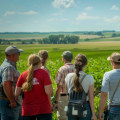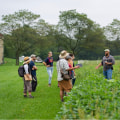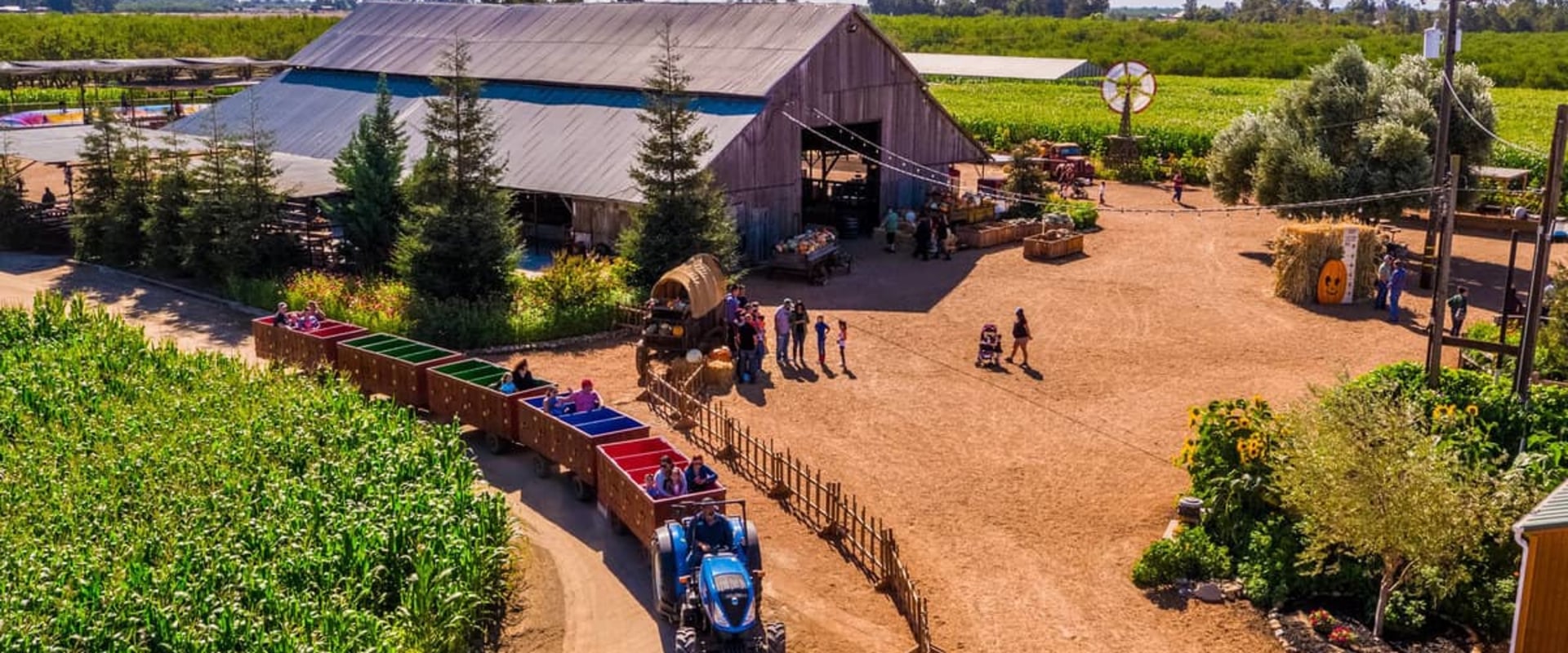
Farm tours offer a unique opportunity to connect with the agricultural world, providing visitors with an immersive experience that showcases the hard work and dedication of farmers. These tours can vary widely, from small family-run farms to expansive commercial operations, each offering a glimpse into the daily life of those who cultivate our food.
What are farm tours?
Essentially, they are guided experiences that allow participants to explore various aspects of farming, including crop cultivation, animal husbandry, and sustainable practices. There are several types of farm tours available, catering to different interests and age groups. Some tours focus on educational aspects, where visitors learn about organic farming techniques or the importance of biodiversity.Others may be more hands-on, allowing guests to participate in activities like fruit picking or feeding animals. Additionally, many farms host seasonal events that highlight local produce and offer tastings, making the experience not only informative but also delicious. The benefits of participating in farm tours extend beyond mere enjoyment. They foster a deeper appreciation for the food we consume and the labor that goes into its production. By engaging directly with farmers and understanding their challenges and triumphs, visitors can develop a more profound respect for agriculture.
Furthermore, these tours often promote local economies by encouraging support for nearby farms and businesses. As you consider joining a farm tour, it's essential to understand the policies regarding food and snacks, which can enhance your overall experience.
Food Policies on Farm Tours
When planning a visit to a farm tour, one of the common questions that arise is whether you can bring your own food or snacks.Farm tour food policies
can vary significantly from one location to another, so it’s essential to check the specific guidelines of the farm you plan to visit.Many farms encourage visitors to enjoy their on-site dining options, which often feature fresh produce and homemade goods. This not only supports the local economy but also enhances the overall experience by allowing guests to taste the farm's offerings.However, some farms may have restrictions on outside food for various reasons, including:
- Food Safety: To prevent contamination and ensure the safety of all visitors, some farms may prohibit outside food.
- Wildlife Protection: Bringing food can attract wildlife, which may disrupt the natural environment and pose risks to both animals and visitors.
- Preserving Farm Experience: Farms often want to create a specific atmosphere and experience for their guests, which can be affected by outside food.
Reasons for Restrictions on Outside Food
When planning a visit to a farm tour, you may wonder why there are often restrictions on bringing outside food.Understanding the reasons behind these policies can enhance your experience and ensure the safety of both visitors and farm operations.
Safety Regulations
One of the primary reasons for prohibiting outside food is to comply with farm safety regulations. Farms are often subject to strict health and safety standards to protect both animals and crops. Allowing outside food can introduce contaminants that may harm livestock or affect crop quality. For instance, certain foods can attract pests or spread diseases that could devastate a farm's ecosystem.Hygiene Concerns
Another significant factor is hygiene concerns.Farms are working environments where cleanliness is crucial. Introducing food from outside can lead to cross-contamination, which poses health risks not only to visitors but also to the farm's produce and animals. By restricting outside food, farms can maintain a controlled environment that prioritizes hygiene.
Impact on Farm Operations
Additionally, allowing visitors to bring their own snacks can disrupt farm operations. Many farms have designated areas for eating, which helps manage waste and maintain cleanliness.When visitors bring their own food, it can lead to littering or improper disposal of waste, creating extra work for farm staff and potentially harming the environment.In summary, while it may be disappointing not to bring your favorite snacks on a farm tour, these restrictions are in place for valid reasons. They help ensure safety, maintain hygiene, and support the smooth operation of the farm. Always check with the specific farm you plan to visit for their policies regarding food and snacks.
What You Can Bring: Guidelines and Suggestions
When planning your visit to a farm tour, it's essential to know what you can bring along in terms of food and snacks. While many farms encourage visitors to enjoy the experience without distractions, some may allow light snacks to keep your energy up during the tour.Here are some guidelines and suggestions to help you prepare:
- Check Farm Policies: Before packing any food, always check the specific farm tour guidelines. Some farms have strict rules against outside food to maintain cleanliness and protect their animals.
- Opt for Non-Messy Snacks: If allowed, choose snacks that are easy to eat and won't create a mess. Items like granola bars, trail mix, or fruit slices are great options.
- Avoid Strong Odors: Be considerate of other visitors and the farm environment by avoiding snacks with strong smells, such as certain cheeses or fish products.
- Stay Hydrated: Bringing a water bottle is usually acceptable. Staying hydrated is crucial, especially if you're walking around the farm for an extended period.
- Granola Bars: Easy to pack and eat on the go.
- Fresh Fruit: Apples, bananas, or grapes are nutritious and refreshing.
- Nuts or Trail Mix: A great source of energy that won't spoil easily.
- Vegetable Sticks: Carrots or celery sticks can be a crunchy, healthy option.
Always remember to clean up after yourself and dispose of any waste properly to help maintain the beauty of the farm for future visitors.
Alternatives to Bringing Your Own Food
While bringing your own food on a farm tour can be convenient, there are several appealing alternatives that allow you to fully immerse yourself in the local agricultural experience. Many farms offer a variety of dining options that highlight the freshest ingredients sourced directly from their fields.Dining Options at Farms
- Farm-to-Table Restaurants: Some farms feature on-site restaurants where you can enjoy meals prepared with seasonal produce. These establishments often change their menus based on what is currently being harvested, ensuring that you get the best flavors of the season.
- Food Stands and Cafés: Many farm tours include casual food stands or cafés that serve quick bites made from local ingredients. This is a great way to grab a snack or light meal while enjoying the scenery.
- Picnic Areas: If you prefer a more relaxed dining experience, some farms provide designated picnic areas where you can enjoy meals made from their produce or purchased from local vendors.
Benefits of Trying Local Produce
Sampling local produce during your farm tour not only supports local farmers but also enhances your understanding of the region's agricultural practices.
Here are some benefits:
- Freshness: The produce you try is often harvested just hours before it reaches your plate, offering unparalleled freshness and flavor.
- Nutritional Value: Eating locally sourced foods can provide higher nutritional value, as they are less likely to lose nutrients during transportation.
- Cultural Experience: Tasting local specialties allows you to connect with the culture and traditions of the area, making your visit more memorable.
Frequently Asked Questions About Food on Farm Tours
When planning a visit to a farm tour, many guests often wonder about the policies regarding food and snacks. Here are some common questions and answers that can help clarify what you can expect.Can I bring my own food or snacks on a farm tour?
Most farm tours have specific guidelines about bringing outside food. While some farms may allow visitors to bring their own snacks, others may have restrictions in place to maintain cleanliness and safety.It’s always best to check the farm’s website or contact them directly for their specific policy.
Are there food options available during the tour?
Many farm tours offer on-site food options, such as farm-fresh produce, baked goods, or even meals prepared with local ingredients. Some farms may have a café or picnic area where you can enjoy these offerings. If you prefer to eat during your visit, inquire about available options beforehand.What if I have dietary restrictions?
If you have specific dietary needs, it’s advisable to inform the farm in advance. Many farms are accommodating and can provide alternatives or suggestions for snacks that fit your requirements.Always check if they can cater to your needs before your visit.
Can I eat while on the tour?
Eating during the tour may be restricted depending on the farm's policies. Some farms prefer that guests wait until designated breaks or meal times to enjoy their food. This helps maintain focus on the educational aspects of the tour and keeps the environment clean.In summary, while bringing your own food on a farm tour may be allowed at some locations, it’s essential to verify each farm's rules. Always consider checking for available food options and communicate any dietary restrictions to ensure a pleasant experience.Conclusion: Making the Most of Your Farm Tour Experience
In conclusion, planning your visit to a farm tour can significantly enhance your experience.Understanding the policies regarding food and snacks is crucial for a smooth outing. Many farms encourage visitors to enjoy their own packed meals, while others may have restrictions in place to maintain cleanliness and safety. Always check the specific guidelines of the farm you plan to visit.Here are some key takeaways to consider:
- Research the Farm: Before your visit, look up the farm's website or contact them directly to understand their food policies.
- Pack Smart: If allowed, bring snacks that are easy to carry and consume, such as fruits, nuts, or granola bars. Avoid messy foods that could attract unwanted pests.
- Support Local Vendors: Many farms have on-site shops or cafes offering fresh produce and homemade goods.
Purchasing from them not only supports local agriculture but also enhances your farm experience.
- Stay Hydrated: Regardless of food policies, always bring water to stay hydrated during your tour.