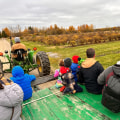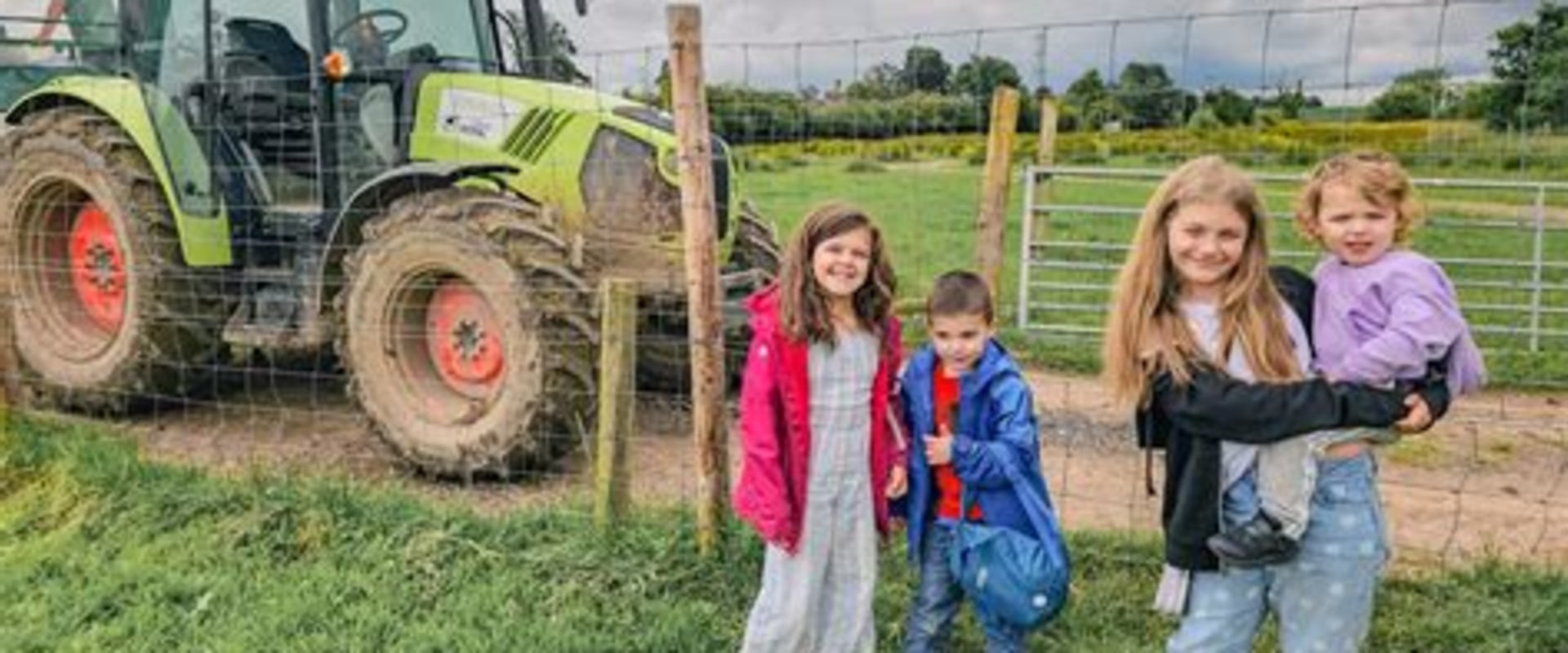
Farm tours are immersive experiences that allow visitors to explore the inner workings of a farm, offering a unique opportunity to connect with nature and understand agricultural practices. These tours can vary widely, from small family-run farms to larger commercial operations, each providing a glimpse into the daily life of farmers and the processes behind food production. For families, farm tours present an engaging way to learn about where their food comes from while enjoying quality time together in a picturesque setting. The appeal of farm tours extends beyond just education; they also offer numerous benefits for children and adults alike. Children can engage in hands-on activities such as feeding animals, picking fruits, or even participating in seasonal harvests.
These experiences not only foster a sense of responsibility but also instill an appreciation for agriculture and the environment. Moreover, many farms incorporate fun activities like hayrides, corn mazes, and petting zoos, making these tours an exciting adventure for young visitors. As families seek out enriching activities that combine fun and learning, farm tours stand out as an ideal choice. They provide a platform for children to ask questions, explore new concepts, and develop a deeper understanding of the food system. With the growing interest in sustainable practices and local farming, these tours are becoming increasingly popular among families looking to create lasting memories while nurturing their children's curiosity about the world around them.
Are Farm Tours Suitable for Children?
Farm tours can be a delightful experience for children, offering them a chance to connect with nature and learn about agriculture in an engaging way.However, the suitability of these tours often depends on various factors, including age restrictions, safety considerations, and the types of activities available.
Age Restrictions on Farm Tours
Many farms have specific age restrictions for their tours to ensure the safety of all participants. Typically, children of all ages are welcome, but some farms may recommend a minimum age for certain activities, especially those involving machinery or livestock. It’s essential to check with the farm beforehand to understand their policies and any recommended age guidelines.
Safety Considerations
Safety is a top priority during farm tours. Parents should ensure that their children are supervised at all times, particularly in areas where animals are present or where there may be equipment in use.
Many farms provide safety briefings before the tour begins, outlining important rules and guidelines to keep everyone safe. Additionally, wearing appropriate clothing and closed-toe shoes is often advised to protect little feet from rough terrain.
Activities for Kids
Farm tours often include a variety of child-friendly activities designed to engage young visitors. These may include:
- Animal Interactions: Many farms allow children to feed or pet animals, providing a hands-on experience that can be both fun and educational.
- Guided Tours: Educational guides often tailor their presentations to be kid-friendly, using stories and interactive elements to keep children engaged.
- Workshops: Some farms offer workshops where kids can learn about planting seeds, making butter, or other farm-related crafts.
- Pony Rides: For younger children, pony rides can be a highlight of the visit, giving them a taste of farm life.
Benefits of Farm Tours for Children
Farm tours offer a unique opportunity for children to engage with the world around them in a way that is both educational and enriching.These experiences provide hands-on learning that can significantly enhance a child's understanding of nature, agriculture, and sustainability.
Educational Benefits of Farm Tours
- Interactive Learning: Children can participate in activities such as planting seeds, feeding animals, and harvesting crops. This interactive approach helps solidify their understanding of where food comes from and the importance of farming.
- Science and Nature: Farm tours often include lessons on ecosystems, plant biology, and animal husbandry. Children learn about the interdependence of living organisms and the role they play in our environment.
- Life Skills: Engaging with farm activities teaches children valuable life skills such as responsibility, teamwork, and patience. They learn to care for animals and plants, fostering a sense of accomplishment.
Learning Experiences on Farms
Farm tours are not just about observing; they are about experiencing.
Children can:
- Explore Different Environments: From vegetable gardens to orchards and barns, children get to see various aspects of farm life.
- Meet Farmers: Interacting with farmers allows children to hear firsthand stories about daily life on a farm, making the experience more relatable and inspiring.
- Participate in Seasonal Activities: Depending on the time of year, children may engage in apple picking in the fall or planting in the spring, connecting them to the cycles of nature.
Children and Nature
The connection between children and nature is vital for their development. Farm tours encourage outdoor exploration, which has been shown to improve mental health, boost creativity, and enhance physical fitness. By immersing themselves in a natural setting, children develop a deeper appreciation for the environment and learn the importance of conservation.In conclusion, farm tours provide invaluable experiences that foster learning and growth in children. By participating in these tours, kids not only gain knowledge but also develop a lifelong love for nature and agriculture.
What to Expect on a Farm Tour with Kids
When planning a farm tour with kids, families can look forward to a delightful experience filled with engaging activities and educational opportunities.Most farm tours are designed to be family-friendly, ensuring that children of all ages can participate and enjoy.
Typical Itinerary for Families
A typical farm tour itinerary for families often includes a variety of stops and activities. Here’s what you might expect:- Welcome and Orientation: Many farms start with a brief introduction to the farm's history and operations.
- Animal Interactions: Kids can often feed or pet animals like goats, sheep, and chickens, making this a highlight of the tour.
- Crop Exploration: Families may walk through fields to learn about different crops, including fruits and vegetables, and even participate in picking during harvest season.
- Hands-On Activities: Some farms offer activities such as planting seeds or making butter, which are both fun and educational.
- Farm Store Visit: Many tours conclude with a stop at the farm store where families can purchase fresh produce and homemade goods.
Activities Designed for Children
Farm tours often include special activities tailored for children. These may include:- Scavenger Hunts: Kids can enjoy searching for specific items around the farm, making it an interactive experience.
- Pony Rides: Some farms offer pony rides, which are always a hit with younger children.
- Crafts and Workshops: Engaging workshops where kids can create something to take home are often available.
What to Bring on a Farm Tour
To ensure a smooth and enjoyable experience, here are some essential items to bring along:- Sunscreen: Protect your family from sunburn during outdoor activities.
- Water Bottles: Staying hydrated is crucial, especially on warm days.
- Sensible Footwear: Comfortable shoes are important for walking around the farm.
- Cameras: Capture memories of your family’s adventure on the farm!
Safety Considerations for Children on Farm Tours
When planning a farm tour with children, safety should be a top priority. Farms can be bustling environments with various hazards, so understanding the necessary precautions is essential for a safe and enjoyable experience.Health Precautions During Farm Tours
Before embarking on a farm tour, it’s crucial to consider health precautions.Here are some tips to keep in mind:
- Hand Hygiene: Ensure that children wash their hands thoroughly after interacting with animals or touching farm equipment. Carry hand sanitizer for convenience.
- Allergies: Be aware of any allergies your child may have, especially to animals or plants commonly found on farms.
- Sun Protection: Apply sunscreen and provide hats to protect against sun exposure, as farm tours often involve outdoor activities.
- Hydration: Keep children hydrated by bringing water bottles, especially during warmer months.
The Importance of Supervision
Adult supervision is vital during farm tours. Children can easily wander off or become distracted by the sights and sounds of the farm. Here are some strategies to ensure their safety:- Stay Close: Always keep children within arm's reach, especially near animals or machinery.
- Set Boundaries: Discuss and establish clear boundaries before the tour begins, so children know where they can and cannot go.
- Designate a Meeting Point: In case anyone gets separated, choose a specific location where everyone can regroup.
Remember, a little preparation goes a long way in creating lasting memories while keeping your children protected.
Frequently Asked Questions About Children and Farm Tours
When considering farm tours for your family, many parents have questions about the suitability of these experiences for their children. Here are some common inquiries regarding children's participation in farm tours.Can Toddlers Go on Farm Tours?
Yes, many farm tours are designed to be family-friendly and welcome toddlers. However, it’s essential to check with the specific farm regarding their policies. Some farms may have age-appropriate activities or designated areas for younger children to ensure their safety and enjoyment.Always consider your child's temperament and interest in animals and outdoor activities when deciding if a farm tour is suitable.
Are There Age Limits for Farm Tours?
Age limits can vary by farm. While most farms encourage families with children of all ages to participate, some may have restrictions for certain activities, especially those involving heavy machinery or livestock handling. It’s advisable to contact the farm ahead of time to inquire about any age restrictions or recommendations they may have.What If My Child Has Allergies?
If your child has allergies, it’s crucial to inform the farm staff before participating in a tour. Many farms have animals, plants, and other allergens that could trigger reactions.Here are some tips to consider:
- Notify Staff: Always let the tour guides know about any allergies your child has.
- Bring Medication: If your child requires an EpiPen or other allergy medication, ensure you have it on hand during the tour.
- Avoid Certain Areas: Ask if there are specific areas of the farm that should be avoided due to allergens.
Conclusion: Making the Most of Your Family Farm Tour Experience
In conclusion, farm tours offer a unique opportunity for families to engage in a fun and educational experience that fosters a deeper understanding of agriculture and the environment. By participating in these tours, children can learn about where their food comes from, the importance of sustainable farming practices, and the role of local farms in their communities.As we have discussed, many farms welcome children and provide tailored activities that cater to their interests and learning levels. From hands-on experiences like feeding animals to interactive workshops on planting and harvesting, there is something for every young visitor. This not only makes the tour enjoyable but also instills a sense of responsibility and appreciation for nature.- Educational Value: Farm tours are rich in educational content, covering topics such as animal husbandry, crop cultivation, and environmental stewardship.
- Family Bonding: These experiences create lasting memories as families explore together, share stories, and learn side by side.
- Health Benefits: Exposure to fresh air and physical activity during farm tours can promote a healthier lifestyle for children.
Not only will you support local farmers, but you will also provide your children with invaluable lessons that extend beyond the classroom. So pack your bags, grab your kids, and embark on an adventure that promises both fun and learning!.