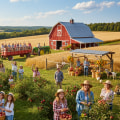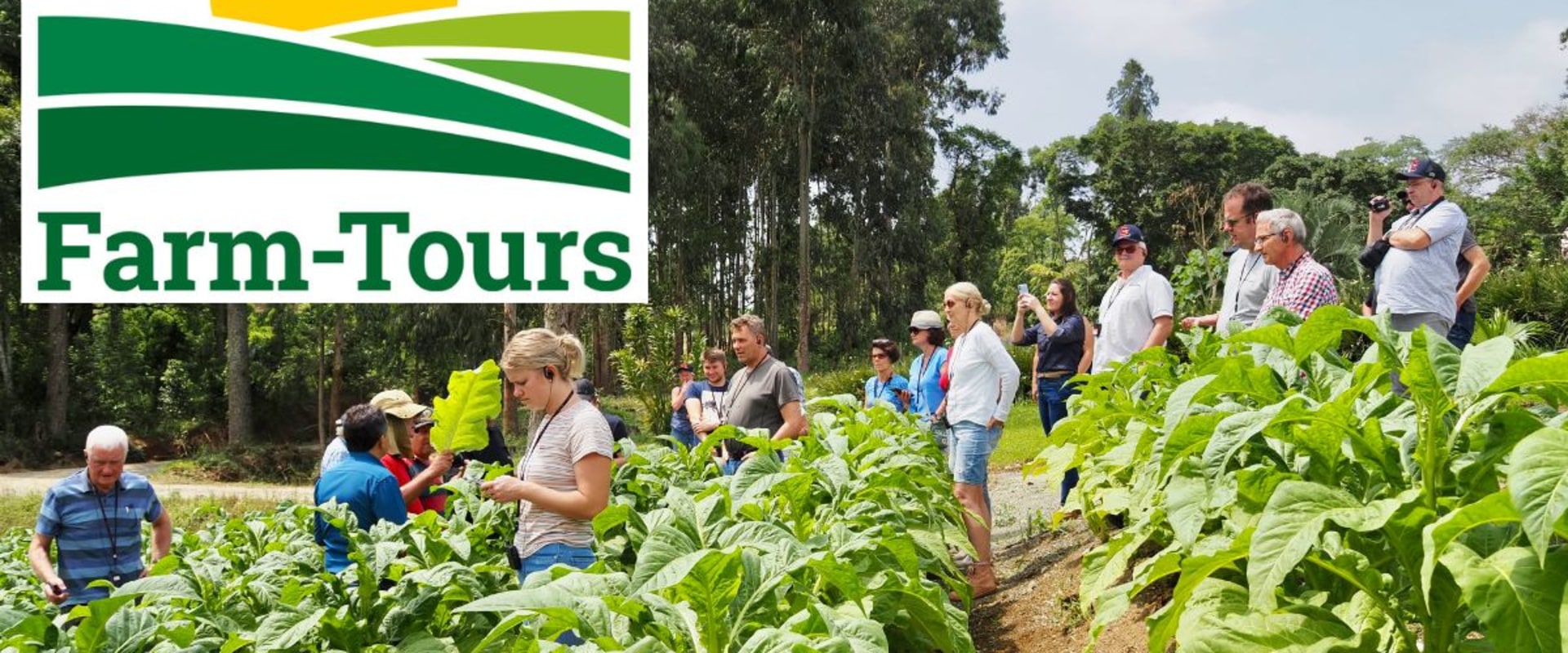
Farm tours offer a unique opportunity to explore the agricultural world, providing visitors with an immersive experience that goes beyond traditional sightseeing. These tours allow participants to witness firsthand the hard work and dedication that goes into farming, while also learning about sustainable practices, crop production, and animal husbandry. Whether you are a city dweller looking to reconnect with nature or a food enthusiast eager to understand where your meals originate, farm tours cater to a wide range of interests. There are various types of farm tours available, each designed to highlight different aspects of farm life. Some tours focus on specific crops, such as organic vegetables or vineyards, while others may offer a broader overview of farm operations, including livestock management and dairy production.
Additionally, many farms provide interactive experiences, allowing visitors to participate in activities like fruit picking or feeding animals. This hands-on approach not only enhances the learning experience but also fosters a deeper appreciation for the agricultural industry. The benefits of participating in farm tours extend beyond mere education. These excursions promote local economies by supporting small farms and encouraging sustainable practices. They also provide an avenue for families and friends to bond over shared experiences in a picturesque setting.
By engaging with farmers and understanding their challenges and triumphs, visitors can develop a more profound respect for the food system and the people behind it. Overall, farm tours serve as an enriching way to connect with the land and its stewards.
The Role of a Guide in Farm Tours
When embarking on farm tours, the presence of a knowledgeable guide can significantly enhance the overall experience. A guide serves as a bridge between visitors and the intricate workings of the farm, providing insights that might otherwise go unnoticed.Responsibilities of a Guide
- Education: Guides are well-versed in agricultural practices, local history, and the specific crops or livestock featured on the tour. They share this knowledge, enriching visitors' understanding of farming.
- Safety: A guide ensures that all safety protocols are followed, especially in areas where machinery or animals are present.
This is crucial for a safe and enjoyable experience.
- Engagement: Guides often facilitate interactive experiences, such as hands-on activities or Q&A sessions, making the tour more engaging and memorable.
Benefits of Having a Guide
- In-depth Knowledge: With a guide, visitors gain access to expert insights that can deepen their appreciation for farming practices and sustainability efforts.
- Personalized Experience: Guides can tailor the tour based on the interests of the group, ensuring that everyone leaves with valuable information relevant to them.
- Networking Opportunities: Engaging with a guide can lead to connections with local farmers or producers, opening doors for future visits or collaborations.
Guided vs. Self-Guided Tours
While self-guided tours offer flexibility, they often lack the depth of information provided by a guide. Without expert commentary, visitors may miss out on critical details about farming techniques or the significance of certain practices. In contrast, guided tours provide structured itineraries that ensure comprehensive coverage of key topics and areas of interest.In conclusion, having a guide during farm tours not only enhances safety and engagement but also enriches the educational aspect of the experience.
For those looking to gain a deeper understanding of agriculture, opting for a guided tour is highly recommended.
Types of Farm Tours with Guides
When considering farm tours, it's essential to understand the different types available, especially those that include a guide. Guided tours not only enhance the experience but also provide valuable insights into the workings of a farm. Here are some popular types of guided farm tours:- Educational Farm Tours: These tours are designed to inform visitors about agricultural practices, sustainability, and the science behind farming. Participants often engage in hands-on activities, such as planting seeds or harvesting crops, while learning about the importance of local agriculture.
Educational tours are perfect for schools, families, or anyone interested in deepening their understanding of food production.
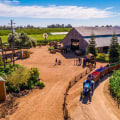
- Recreational Farm Tours: Aimed at providing a fun and relaxing experience, recreational farm tours often include activities like hayrides, petting zoos, and seasonal events such as pumpkin picking or berry harvesting. These tours are ideal for families looking to enjoy a day outdoors while connecting with nature and experiencing farm life.
- Culinary Farm Tours: For food enthusiasts, culinary farm tours offer a unique opportunity to explore how ingredients are grown and harvested before they reach the kitchen. These tours often include tastings and cooking demonstrations, allowing participants to appreciate the journey of their food from farm to table.
Self-Guided Farm Tours: An Alternative Option
For those who prefer a more independent experience, self-guided farm tours offer a unique alternative to traditional guided tours.These tours allow visitors to explore at their own pace, making it possible to spend more time at attractions that particularly interest them.
Pros of Self-Guided Farm Tours
- Flexibility: You can choose your own schedule, allowing for spontaneous stops and extended visits to certain areas.
- Personalized Experience: Tailor your tour to your interests, whether that’s focusing on specific crops, livestock, or farm operations.
- Cost-Effective: Often, self-guided tours are less expensive than guided options, as they may not include the cost of a tour leader.
Cons of Self-Guided Farm Tours
- Lack of Expert Insight: Without a guide, you may miss out on valuable information and stories that enhance the experience.
- Navigational Challenges: Some farms can be large and complex; without guidance, it’s easy to get lost or overlook key areas.
- Limited Access: Certain areas may only be accessible with a guide, restricting your exploration options.
- Research Ahead: Look up the farm’s layout and any specific attractions you want to see. Many farms provide maps or guides online.
- Plan Your Route: Create an itinerary that includes must-see spots while allowing for flexibility in case you discover something unexpected.
- Engage with Staff: Don’t hesitate to ask farm staff questions; they can provide insights and recommendations even if you’re not on a guided tour.
What to Expect from a Guided Farm Tour
When embarking on a guided farm tour, participants can expect a well-structured experience that immerses them in the workings of the farm. These tours are designed to be both educational and enjoyable, providing insights into agricultural practices, local produce, and the daily life of farmers.Typical Itinerary
A typical farm tour itinerary may vary depending on the season and the specific farm, but generally includes:- Welcome and Introduction: Most tours begin with a warm welcome from the tour leader, who will introduce the farm's history and its significance in the local community.
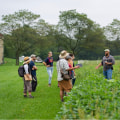
- Farm Walk: Participants will often take a guided walk around the farm, where they can see crops, livestock, and various farming equipment up close.
- Hands-On Activities: Many tours include interactive elements such as fruit picking, feeding animals, or participating in planting activities, allowing guests to engage directly with farm life.
- Tastings: Depending on the farm, there may be opportunities to taste fresh produce or homemade products like jams and cheeses.
- Q&A Session: A dedicated time for questions allows participants to learn more about sustainable farming practices and the challenges faced by farmers today.
Typical Activities
The activities during a farm tour are designed to cater to all ages and interests.Common activities include:
- Animal Interactions: Many farms offer chances to meet and feed animals such as goats, chickens, and cows.
- Crop Education: Guides often explain different types of crops grown on the farm and their growing cycles.
- Workshops: Some tours may feature workshops on topics like canning, baking with farm-fresh ingredients, or organic gardening techniques.
Frequently Asked Questions about Farm Tours and Guides
When considering farm tours, many potential visitors wonder whether a guide is necessary. The answer often depends on the type of experience you seek. While some farms offer self-guided tours, having a knowledgeable guide can significantly enhance your visit.Do You Need a Guide for Farm Tours? A guide can provide valuable insights into the farming practices, history, and unique features of the farm.They can answer questions, share stories, and help you understand the agricultural processes in a way that self-guided tours may not. If you're interested in learning about sustainable farming or specific crops, a guide can tailor the experience to your interests.Are Farm Tours Worth It? Many visitors find that farm tours are well worth the investment. Not only do they offer a chance to connect with nature, but they also provide educational opportunities that can be both fun and informative. Engaging with farmers and seeing operations firsthand can deepen your appreciation for food production and local agriculture.How to Choose a Good Farm Tour Guide When selecting a farm tour, consider the following tips:
- Experience: Look for guides with a background in agriculture or education.
- Reviews: Check online reviews or ask for recommendations to find reputable guides.
- Specialization: Some guides may specialize in certain types of farming (e.g., organic, livestock), so choose one that aligns with your interests.
Conclusion: Choosing the Right Farm Tour Experience for You
In conclusion, selecting the right farm tour experience hinges on understanding your personal preferences and what you hope to gain from the visit.Whether you opt for a guided tour or a self-guided exploration, each option offers unique benefits that cater to different types of visitors. If you thrive on interaction and learning from experts, a guided tour may be the ideal choice. These tours often provide in-depth insights into farming practices, sustainability efforts, and the history of the farm. With a knowledgeable guide leading the way, you can ask questions and engage in discussions that enhance your understanding of agricultural processes. On the other hand, if you prefer a more flexible experience, a self-guided tour allows you to explore at your own pace. This option is perfect for those who enjoy wandering through fields, taking photographs, and absorbing the atmosphere without the constraints of a schedule.
You can choose which areas to focus on and spend as much time as you like at each stop. Ultimately, consider what aspects of farm tours excite you the most. Do you value expert guidance and structured learning, or do you seek freedom and spontaneity? By reflecting on these questions, you can make an informed decision that will enhance your overall experience. Regardless of your choice, both guided and self-guided tours can provide memorable experiences that deepen your appreciation for agriculture and local food systems. Embrace the opportunity to connect with nature and learn about the hard work that goes into producing our food.