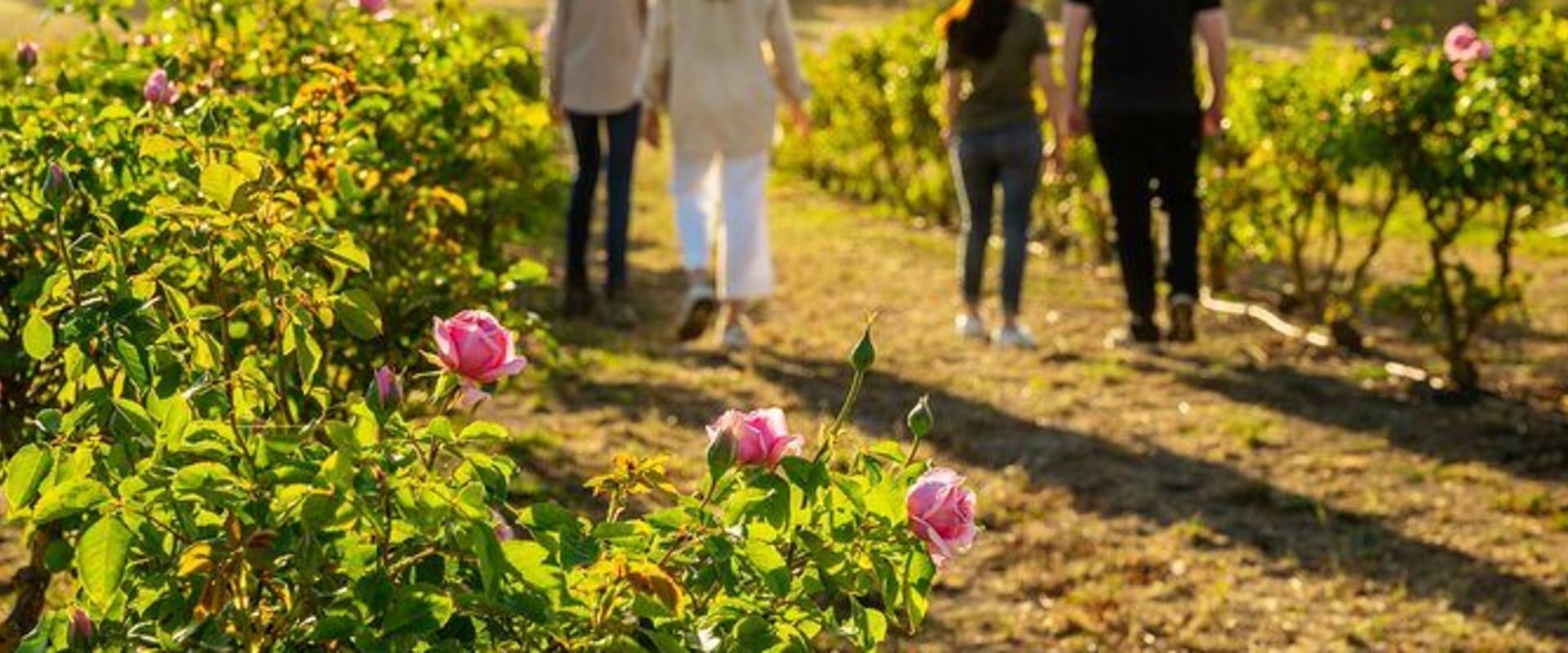
Farm tours have gained immense popularity in recent years, offering a unique opportunity for individuals and families to connect with the land and the food they consume. These tours provide an immersive experience that goes beyond mere sightseeing; they allow visitors to engage with farmers, learn about sustainable practices, and appreciate the hard work that goes into producing our food. As people become more conscious of where their food comes from, the appeal of farm tours continues to grow.One of the most compelling aspects of farm tours is the diverse range of experiences they offer. From sprawling fields of crops to quaint orchards and bustling barns, each farm presents its own unique terrain and atmosphere.
Visitors can expect to encounter various landscapes, including rolling hills, lush pastures, and sometimes even rugged terrain that showcases the natural beauty of rural life. This variety not only enhances the visual appeal but also enriches the educational aspect of the tour.Moreover, farm tours often highlight the benefits of local agriculture, emphasizing the importance of supporting local economies and sustainable farming practices. Participants can witness firsthand how different terrains affect farming methods and crop selection, providing valuable insights into agricultural challenges and innovations. Whether it’s walking through a vineyard or exploring a dairy farm, each experience is tailored to showcase the unique characteristics of the land.
Types of Terrain Found on Farm Tours
Farm tours offer a unique opportunity to explore a variety of terrain types that contribute to the overall experience.Each farm presents its own distinct landscape, shaped by natural features and agricultural practices. Here are some common types of terrain you might encounter on a farm tour:
- Fields: Vast expanses of cultivated land are often the centerpiece of farm tours. These fields may be filled with crops such as corn, wheat, or soybeans, showcasing the hard work and dedication of farmers. The sight of rows upon rows of green can be both calming and inspiring.
- Hills: Many farms are situated on rolling hills, providing stunning views and a sense of elevation.
These hilly terrains can create microclimates that affect crop growth and biodiversity. Visitors can enjoy hiking or walking along trails that wind through these elevated areas, offering panoramic vistas.
- Valleys: In contrast to hills, valleys often serve as fertile grounds for farming. The lower elevation typically retains moisture better, making it ideal for certain crops. Exploring these lush valleys can reveal diverse plant life and wildlife, enriching the tour experience.
- Water Bodies: Many farms feature ponds, streams, or rivers that not only enhance the beauty of the landscape but also play a crucial role in irrigation and livestock management.
These water bodies attract various bird species and provide opportunities for fishing or picnicking during tours.
The Role of Geography in Farm Tour Experiences
The geography of farms plays a crucial role in shaping the overall experience of farm tours. Different regions boast unique terrains that not only influence the types of crops grown but also the activities and sights available to visitors. Understanding these geographical nuances can enhance the appreciation of what each farm has to offer.For instance, farms located in coastal areas often feature sandy soils and a milder climate, which can lead to the cultivation of diverse crops such as berries and vegetables.Visitors on tours in these regions may enjoy scenic views of the ocean alongside their agricultural experiences, making for a picturesque outing.In contrast, mountainous regions present a different set of challenges and opportunities. The steep terrain can limit the types of farming practices employed, often leading to smaller, family-run farms that focus on organic or specialty crops. Farm tours here might include hiking through orchards or learning about sustainable farming practices adapted to the rugged landscape.
Midwestern farms
, characterized by their vast plains and fertile soil, offer a different experience altogether. These expansive fields are ideal for large-scale agriculture, including corn and soybean production.
Tourists can expect to see sprawling landscapes and may even have the chance to participate in seasonal activities like corn mazes or pumpkin picking.Moreover, regional differences in farm terrain can significantly affect the types of tours available. For example:
- Southern farms: Often feature rich, loamy soils perfect for cotton and tobacco, with tours that may include historical insights into agricultural practices.
- Northern farms: May focus on dairy production and cold-weather crops, offering tours that highlight winter farming techniques.
- Desert farms: Utilize innovative irrigation methods to grow crops in arid conditions, providing unique insights into water conservation.
Seasonal Changes in Farm Terrain
The terrain on farms undergoes significant transformations throughout the year, influenced by seasonal changes. Each season brings its own unique characteristics that not only affect the landscape but also enhance the experience of farm tours.Spring: A Time of Renewal
As winter fades, spring breathes new life into the farm.The terrain becomes vibrant with blooming flowers and budding crops. Visitors can expect to see:
- Green fields sprouting with fresh growth.
- Fruit trees adorned with blossoms, promising a fruitful harvest.
- Farm animals welcoming their young, adding to the lively atmosphere.
Summer: Abundance and Activity
Summer brings warmth and a bustling energy to the farm. The terrain is often lush and full, with crops reaching their peak. Visitors can enjoy:- Guided tours through fields of corn, tomatoes, and other summer produce.
- Picking activities, such as berry picking, which are popular among families.
- Farmers' markets, showcasing the bounty of the season.
Autumn: A Harvest Celebration
As autumn arrives, the farm transforms into a tapestry of warm hues.The terrain is marked by:
- Pumpkin patches, perfect for family outings and photo opportunities.
- Corn mazes, offering fun challenges for visitors of all ages.
- Harvest festivals, celebrating the season's bounty with local food and crafts.
winter: A Quiet Reflection
Winter brings a serene stillness to the farm. The terrain may be blanketed in snow or exhibit dormant fields. While some may think this is an off-season, winter offers:- Winter tours, focusing on farm history and preparation for spring.
- Workshops, teaching skills like canning or preserving food.
- A chance to see livestock in their winter habitats.
Wildlife and Flora Encountered on Farm Tours
Farm tours offer a unique opportunity to immerse oneself in the rich biodiversity that thrives in agricultural settings. The varied terrain of farms, from rolling hills to flat pastures, creates distinct habitats that support a wide array of wildlife and flora.Wildlife on Farms
- Birdwatching: Many farms are home to diverse bird species, including songbirds, raptors, and waterfowl.
Observing these birds in their natural habitat can be a highlight of any farm tour.
- Mammals: Depending on the region, visitors might spot deer, rabbits, or even foxes. These animals often roam the fields and woodlands surrounding the farm.
- Insects: Farms are buzzing with life, from pollinators like bees and butterflies to fascinating insects that contribute to the ecosystem.
Flora on Farm Tours
- Crops: Visitors can learn about various crops grown on the farm, including fruits, vegetables, and grains. Each crop contributes to the local ecosystem and offers insights into sustainable farming practices.
- Natives Plants: Many farms incorporate native plants into their landscapes, which support local wildlife and enhance biodiversity.
- Wildflowers: Seasonal wildflowers can often be found blooming along the edges of fields and in meadows, providing a vibrant display of color and attracting pollinators.
Engaging with nature in this way enhances the overall experience of farm tours, allowing visitors to appreciate the intricate balance of agriculture and wildlife.
Tips for Navigating Different Terrains on Farm Tours
Farm tours can take you through a variety of terrains, from grassy fields to muddy paths and rocky trails. To ensure a smooth and enjoyable experience, here are some tips for navigating different terrains during your visit.Footwear Matters
Choosing the right footwear is crucial when embarking on a farm tour. Here are some recommendations:- Sturdy Boots: Opt for waterproof or water-resistant boots with good traction. This will help you navigate muddy areas without slipping.
- Comfortable Sneakers: If the terrain is mostly flat and dry, a pair of comfortable sneakers may suffice.
However, avoid shoes with smooth soles.
- Avoid Flip-Flops: Open-toed shoes can expose your feet to injuries from sharp objects or uneven ground.
Dress Appropriately
Your clothing should be suitable for the weather and the activities you’ll be doing. Consider the following:- Layer Up: Farms can be cooler in the morning and warmer in the afternoon. Dress in layers that you can easily remove or add as needed.
- Long Pants: Wearing long pants can protect your legs from scratches and insect bites, especially in overgrown areas.
- Sun Protection: If your tour is during sunny weather, wear a wide-brimmed hat and apply sunscreen to protect your skin.
Safety Considerations
When exploring different terrains on a farm, safety should always be a priority. Keep these tips in mind:- Stay on Designated Paths: Always follow marked trails to avoid getting lost or damaging crops.
- Watch Your Step: Be mindful of uneven ground, holes, or animal droppings that could pose tripping hazards.
- Stay Hydrated: Bring water with you, especially if you’ll be walking for an extended period.
Frequently Asked Questions About Farm Tour Terrain
When planning a farm tour, understanding the terrain is crucial for a fulfilling experience.Here are some common questions regarding the landscape you might encounter:
- What types of terrain can I expect on a farm tour?
Farm tours often feature a variety of terrains, including: - Flat fields: Ideal for crops, these areas are usually easy to navigate.
- Hilly landscapes: Some farms may have rolling hills, which can provide stunning views but may require more effort to traverse.
- Paddocks and pastures: These areas are typically grassy and may have uneven ground, so be prepared for a bit of a workout.
- Are there any accessibility concerns?
Many farms strive to be accessible, but the terrain can vary significantly. If you have mobility issues, it’s best to check with the farm beforehand about: - The availability of paved paths or boardwalks.
- Whether they offer guided tours that accommodate different mobility levels.
- What should I wear for a farm tour?
Your choice of footwear and clothing can greatly affect your comfort during the tour. Consider wearing: - Sturdy shoes: Closed-toe shoes with good grip are essential, especially if you’ll be walking on uneven ground.
- Weather-appropriate clothing: Dress in layers to adapt to changing weather conditions, and don’t forget a hat or sunscreen for sunny days.
Conclusion: The Unique Experience of Farm Tour Terrain
In conclusion, the terrain encountered during farm tours plays a pivotal role in shaping the overall experience for visitors.From rolling hills to flat plains, each type of landscape offers unique insights into the agricultural practices and natural beauty of the region. The diversity of terrain not only enhances the visual appeal but also influences the types of crops grown and the farming techniques employed.
Summary of Farm Tour Terrain
- Hilly Landscapes: Often found in regions with varied topography, these areas can provide stunning views and a chance to learn about erosion control and sustainable farming practices.
- Flat Fields: Common in areas with rich soil, these terrains are ideal for large-scale farming and allow visitors to see extensive crop production up close.
- Wetlands and Marshes: These unique terrains highlight the importance of biodiversity and water management in agriculture, showcasing how farmers adapt to different environmental conditions.
Final Thoughts on Farm Tours
As you consider embarking on a farm tour, remember that each landscape tells a story.
The terrain is more than just a backdrop; it is an integral part of the agricultural narrative that unfolds during your visit. Whether you are exploring a family-owned farm or a large commercial operation, take the time to appreciate how the land shapes not only what is grown but also how it connects us to our food sources and the environment. Embrace the opportunity to learn from these unique landscapes, and let them inspire your own understanding of sustainable agriculture.