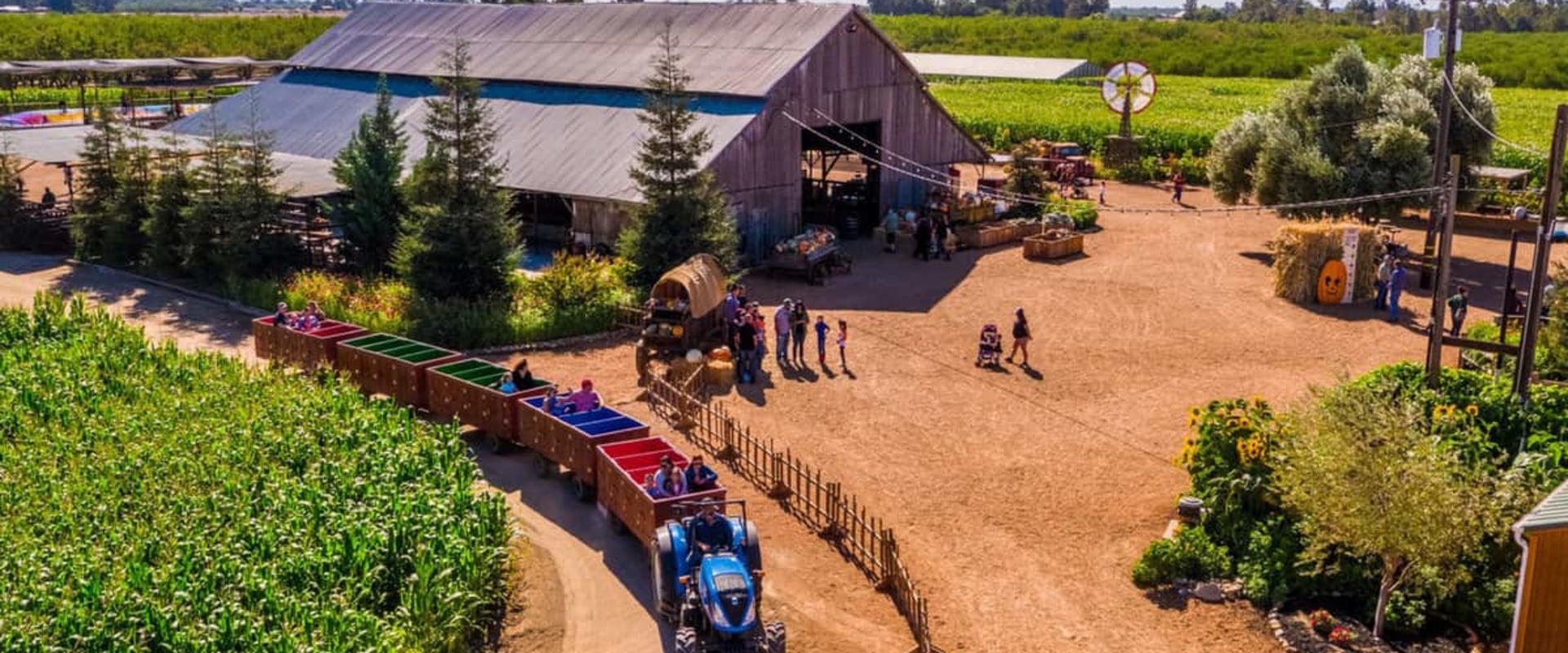
Farm tours offer a unique opportunity to explore the agricultural world, providing visitors with an immersive experience that connects them to the land and the people who cultivate it. These tours can vary widely, from small family-run farms to expansive commercial operations, each showcasing different aspects of farming life. Whether you’re interested in organic practices, livestock management, or crop production, farm tours cater to a diverse range of interests and educational goals. There are several types of farm tours available, including guided tours led by knowledgeable farmers, self-guided explorations where visitors can roam at their own pace, and specialized tours focusing on specific themes such as sustainability or heritage farming. Some farms even offer interactive experiences, allowing participants to engage in activities like fruit picking or animal feeding.
This variety ensures that there is something for everyone, whether you are a family looking for a fun day out or a student seeking hands-on learning. The benefits of participating in farm tours extend beyond mere enjoyment. These experiences foster a deeper understanding of where our food comes from and the hard work that goes into producing it. They also promote local agriculture and encourage sustainable practices by connecting consumers directly with farmers. By engaging with the farming community, visitors can gain insights into the challenges and triumphs of modern agriculture, making farm tours not just entertaining but also enlightening.
Transportation Options for Farm Tours
When planning your visit to a farm tour, understanding the transportation options available can significantly enhance your experience.Whether you prefer the convenience of your own vehicle or the ease of public transport, there are several choices to consider.
Bringing Your Own Vehicle
Many farm tours welcome visitors who choose to drive their own vehicles. This option provides flexibility in terms of timing and allows you to explore the surrounding areas at your own pace. Before you go, it’s advisable to check with the specific farm regarding parking availability and any potential fees. Some farms may have designated parking areas, while others might offer shuttle services from nearby parking lots.Public Transport Options
If you prefer not to drive, public transport can be a viable alternative for reaching farm tours.Depending on the location, you may find bus or train services that connect to popular farms. It’s essential to research local transit schedules and routes ahead of time to ensure a smooth journey. Additionally, some farms may be located near transit hubs, making it easier for visitors relying on public transport.
Organized Shuttles
For those looking for a hassle-free experience, many farm tours offer organized shuttle services. These shuttles typically run from central locations or major hotels and provide a direct route to the farm.This option not only eliminates the stress of navigating unfamiliar roads but also allows you to enjoy the scenic views without worrying about parking.In summary, whether you choose to bring your own vehicle, utilize public transport, or take advantage of organized shuttles, there are various transportation options available for farm tours. Each choice has its benefits, so consider what works best for your travel style and enjoy your day on the farm!
Can You Bring Your Own Transportation?
When planning a visit to a farm tour, one of the most common questions is whether you can bring your own transportation. The answer varies depending on the specific farm and its policies. Many farms encourage visitors to use their own vehicles, especially if they are located in rural areas where public transportation options may be limited.Personal Vehicle Policy on Farm Tours
- Accessibility: Farms that allow personal vehicles often provide designated parking areas, making it easier for guests to access different parts of the property.
- Convenience: Having your own transportation allows for greater flexibility in planning your visit.
You can arrive at your convenience and explore at your own pace.
- Cost-Effectiveness: Driving yourself can save money on transportation fees, especially for families or larger groups.
- Limited Access: Some farms may restrict vehicle access to certain areas to protect crops or livestock. Always check in advance to understand any limitations.
- Parking Fees: While many farms offer free parking, some may charge a fee, so it’s wise to inquire beforehand.
- Sustainability Practices: Certain farms promote eco-friendly practices and may encourage carpooling or the use of shuttles to reduce carbon footprints.
Benefits of Bringing Your Own Transportation
When planning a visit to a farm tour, one of the most significant decisions you can make is whether to bring your own transportation. Utilizing your personal vehicle offers several advantages that can enhance your overall experience.Flexibility and Freedom
- Having your own transportation allows you to set your own schedule.
You can arrive early to avoid crowds or stay later to enjoy the sunset over the fields.
- You can easily change your plans on the fly, whether that means visiting an additional farm or stopping at a local market for fresh produce.
Convenience of Personal Transport
- Bringing your own vehicle eliminates the need to rely on public transportation or shuttle services, which may have limited schedules or routes.
- You can transport any items you purchase during your visit, such as fresh fruits, vegetables, or handmade goods, without worrying about carrying them around.
Exploration Opportunities
- With your own car, you have the chance to explore nearby attractions that may not be included in the farm tour itinerary. This could include local wineries, artisan shops, or scenic viewpoints.
- You can discover hidden gems off the beaten path that larger tour groups might miss, providing a more personalized and enriching experience.
Challenges of Using Personal Transportation
While the idea of bringing your own vehicle to farm tours may seem convenient, there are several challenges that can arise, making it less appealing than anticipated.Parking Limitations
One of the primary concerns is parking. Many farms are located in rural areas where space is limited.Often, these farms do not have designated parking lots, which can lead to a scramble for available spots. Visitors may find themselves parking far from the tour entrance, adding unnecessary walking time and potentially causing delays. In some cases, farms may even restrict parking to certain areas to prevent damage to crops or landscapes, which can further complicate the situation.
Navigating Rural Roads
Another challenge is navigating the often winding and unpaved rural roads that lead to these farms. Unlike urban settings with clear signage and well-maintained routes, rural areas can present a maze of narrow paths that are not always easy to follow.GPS systems may struggle with accuracy in these regions, leading to confusion and frustration. Additionally, some roads may be unsuitable for all types of vehicles, particularly if they are not well-maintained or if weather conditions have caused deterioration.
Potential for Getting Lost
The combination of limited signage and unfamiliar territory increases the risk of getting lost. This can be particularly stressful for families or groups who are eager to start their farm tour. Arriving late due to navigation issues can detract from the overall experience and may even result in missing out on key activities or scheduled events.In summary, while bringing your own transportation to a farm tour might offer flexibility, it is essential to consider these potential challenges.From parking limitations to navigating rural roads, being aware of these factors can help you plan more effectively and ensure a smoother experience during your visit.
Frequently Asked Questions About Farm Tours and Transportation
When planning your visit to a farm tour, transportation is a common concern. Here are some frequently asked questions regarding bringing your own transportation:Can I bring my own vehicle to the farm tour?
Most farms allow visitors to bring their own vehicles, but it’s essential to check in advance. Some farms may have specific parking areas or restrictions based on the type of tour offered. Always verify with the farm's website or contact them directly for their policies.Are there any restrictions on vehicle types?
While many farms welcome personal vehicles, certain types of vehicles, such as large RVs or buses, may not be permitted due to space limitations. If you plan to visit with a larger group, consider arranging transportation through the farm or a local service.What should I know before visiting a farm tour?
- Check the weather: Farms can be muddy or slippery after rain, so appropriate footwear is recommended.
- Plan your route: Some farms are located in remote areas; ensure you have directions and check for any road conditions that might affect your travel.
- Parking availability: Confirm if there is ample parking space and if there are any fees associated with parking.
- Accessibility: If you have mobility concerns, inquire about accessible parking and pathways before your visit.
Always check the farm's website for the latest information on transportation options and any special arrangements they may offer.
Conclusion: Making the Most of Your Farm Tour Experience
In conclusion, understanding your transportation options is crucial for maximizing your experience during farm tours. Whether you choose to bring your own vehicle or rely on the farm's provided transportation, each option has its unique advantages that can enhance your visit.When you bring your own transportation, you gain the flexibility to explore at your own pace. This allows you to:- Visit multiple farms in one day, making the most of your time.
- Access remote areas of the farm that may not be included in guided tours.
- Carry personal items such as picnic supplies or photography equipment.
- Guided tours that include expert insights and stories about the farm's history and practices.
- Convenient access to various attractions without the hassle of navigating unfamiliar roads.
- A chance to meet fellow visitors and share the experience with others.
Regardless of your decision, planning ahead will ensure a rewarding and enjoyable experience. Remember to check with the farm in advance about their transportation policies and any recommendations they may have for visitors. By doing so, you can fully immerse yourself in the beauty and bounty of farm life while creating lasting memories.