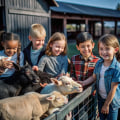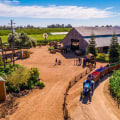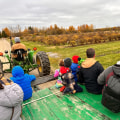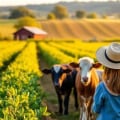
Farm tours have gained immense popularity in recent years, offering a unique opportunity for individuals and families to connect with nature and learn about agriculture. These tours provide an immersive experience, allowing visitors to explore the inner workings of a farm while gaining insight into sustainable practices and animal husbandry. Whether you are a city dweller seeking a taste of rural life or a school group looking for an educational outing, farm tours cater to a wide range of interests and ages. During a typical farm tour, guests can expect to encounter a variety of animals that play crucial roles in farm life. From playful goats to majestic horses, each animal contributes to the farm's ecosystem and offers visitors a chance to learn about their care and significance.
Many tours include interactive experiences, such as feeding animals or participating in milking demonstrations, which enhance the educational aspect and create lasting memories. As you embark on your journey through the farm, you will likely see familiar animals like cows, pigs, and chickens, as well as some less common species that may surprise you. Understanding the different types of animals on a farm tour not only enriches your experience but also fosters a greater appreciation for the agricultural industry and its impact on our daily lives. So, whether you're interested in the adorable antics of baby animals or the impressive size of adult livestock, there's something for everyone to enjoy on these engaging excursions.
Common Farm Animals Encountered on Tours
Farm tours offer a unique opportunity to connect with common farm animals that play vital roles in agricultural life. Visitors can expect to encounter a variety of animals, each contributing to the farm's ecosystem and providing insights into rural living.- Cows: Often the stars of the show, cows are typically seen grazing in pastures.
They are essential for dairy production and beef farming. Many tours allow guests to learn about the milking process and the importance of cows in sustainable agriculture.
- Pigs: Known for their intelligence and playful nature, pigs are another common sight on farm tours. Visitors can observe how pigs are raised for meat and understand their role in waste management through natural foraging.
- Sheep: These gentle animals are often raised for wool and meat. Farm tours may include demonstrations of sheep shearing, showcasing the importance of sheep in both traditional and modern farming practices.
- Chickens: A staple on many farms, chickens provide eggs and meat.
Tour participants can learn about different breeds, their care, and the significance of free-range farming practices.
Unique and Rare Animals You Might See
When embarking on farm tours, visitors often expect to see the usual suspects like cows, pigs, and chickens. However, many farms also showcase unique and rare animals that can make your experience even more memorable.Here are some fascinating creatures you might encounter:
- Llamas: Known for their gentle demeanor and striking appearance, llamas are often used as pack animals in the Andes. Their long necks and fluffy coats make them a favorite among visitors, especially children.
- Alpacas: Similar to llamas but smaller, alpacas are prized for their soft fleece. They are social animals that thrive in herds, and many farms offer opportunities to feed and interact with them.
- Miniature Goats: These pint-sized goats are not only adorable but also incredibly playful. Their curious nature makes them a hit on farm tours, where guests can often pet and play with them.
- Kune Kune Pigs: Originating from New Zealand, these small pigs have a friendly disposition and distinctive appearance with their short legs and long hair.
They are often seen roaming freely on farms, adding to the charm of the tour.
- Emus: As one of the largest birds in the world, emus are fascinating to observe. Their unique gait and curious personalities make them a highlight for many visitors.
The Role of Animals in Farm Education
Farm tours offer a unique opportunity for visitors to engage with a variety of animals, providing a hands-on learning experience that is both enjoyable and educational.The presence of animals on a farm serves as a vital component in understanding the intricacies of agriculture and animal husbandry.During these tours, participants can observe and interact with different species, such as:
- Cows: Visitors learn about dairy production, the importance of proper nutrition, and the role cows play in sustainable farming.
- Chickens: Understanding egg production and the significance of free-range practices can spark discussions about animal welfare.
- Pigs: These intelligent animals provide insights into waste management and the benefits of rotational grazing.
- Sheep: Participants can explore wool production and the ecological benefits of sheep grazing.
- Goats: Known for their curious nature, goats help illustrate the importance of biodiversity on farms.
- Understand Animal Care: Learning about daily care routines fosters respect for animals and highlights the responsibilities involved in farming.
- Explore Sustainable Practices: Discussions around how animals contribute to soil health and crop production emphasize sustainability in agriculture.
- Encourage Critical Thinking: Visitors are often prompted to ask questions about food sources, animal welfare, and environmental impact, leading to deeper understanding.
Seasonal Variations in Animal Sightings
When planning farm tours, it's essential to consider how the types of animals you might encounter can change with the seasons. Each season brings unique opportunities to observe different species and their behaviors, influenced by breeding cycles and seasonal activities.Spring: A Season of New Life
Spring is often the most exciting time for animal sightings on a farm.As temperatures rise, many animals give birth, leading to an influx of adorable young. Visitors can expect to see:
- Lambs frolicking in the fields
- Calves taking their first steps
- Piglets exploring their surroundings
Summer: Full of Activity
During summer, farm animals are often more visible as they enjoy the warm weather. This is a great time for visitors to see:- Cows grazing in lush pastures
- Chickens roaming freely and laying eggs
- Goats climbing and playing in their enclosures
Autumn: Harvest Time and Migration
As autumn arrives, the focus shifts to harvest activities, but animal sightings remain plentiful. Visitors can witness:- Turkeys preparing for the upcoming holiday season
- Ducks gathering in ponds before migrating south
- Farm dogs assisting with the harvest and herding tasks
winter: A Quiet Time on the Farm
Winter may seem quiet, but it offers a unique perspective on farm life.While some animals may be less active, others are still present:
- Horses, often seen in cozy barns or paddocks, enjoying the snow
- Sheep, which are often shorn in late winter for their wool
- Poultry, which continue to lay eggs despite the cold weather
Frequently Asked Questions About Farm Tours and Animals
When planning a farm tour, many visitors have questions about the types of animals they might encounter and what to expect during their visit. Here are some frequently asked questions that can help enhance your experience:What types of animals can I see on a farm tour?
Farm tours typically feature a variety of animals, including:- Cows: Often the stars of the show, cows are usually seen grazing in pastures or being milked in dairy farms.
- Chickens: These birds are common on farms, providing eggs and often entertaining visitors with their clucking and pecking.
- Pigs: Known for their playful nature, pigs can often be seen rooting around in mud or lounging in the sun.
- Sheep: With their fluffy coats, sheep are a favorite among children and adults alike.
- Goats: Curious and friendly, goats love to interact with visitors and may even nibble on clothing!
- Horses: Many farms offer opportunities to see horses up close, and some may even provide riding experiences.
Are there any safety precautions I should take?
Yes! Here are some tips to ensure a safe and enjoyable visit:- Follow the guide: Always listen to your tour guide's instructions regarding animal interactions.
- Wash your hands: After petting animals, make sure to wash your hands to prevent the spread of germs.
- Avoid feeding animals: Unless instructed, do not feed the animals as it can lead to health issues for them.
What should I know before going on a farm tour?
A few things to keep in mind include:- Dress appropriately: Wear comfortable shoes and clothing suitable for outdoor activities.
- Check the weather: Farm tours often take place outdoors, so be prepared for changing weather conditions.
- Avoid strong scents: Animals can be sensitive to strong perfumes or scents, so it's best to keep it minimal.
Conclusion: The Joy of Experiencing Farm Animals Up Close
Experiencing farm tours offers a unique opportunity to connect with nature and learn about the diverse array of animals that inhabit these working landscapes. From the gentle mooing of cows to the playful antics of goats, each animal contributes to the vibrant tapestry of farm life.This hands-on experience not only educates visitors about agricultural practices but also fosters a deeper appreciation for the role these animals play in our food systems.During a typical farm tour, you might encounter:
- Cattle: Often seen grazing in pastures, cows are a staple on many farms. Visitors can learn about dairy production and the importance of sustainable farming practices.
- Sheep: Known for their wool and meat, sheep are often friendly and curious, making them a favorite among children and adults alike.
- Chickens: These feathered friends provide fresh eggs and are often seen roaming freely. Observing their behavior can be both entertaining and educational.
- Pigs: Intelligent and social, pigs are fascinating creatures that showcase the importance of animal welfare in farming.
- Horses: Many farms feature horses, which can be used for work or leisure. Interacting with these majestic animals can be a highlight of any tour.
Each encounter is an opportunity to learn about the care, feeding, and management of these animals, emphasizing the connection between agriculture and our daily lives.Ultimately, participating in a farm tour is not just about seeing animals; it’s about experiencing the joy they bring to our lives. Whether you’re a family looking for an educational outing or an individual seeking to reconnect with nature, a farm tour offers something for everyone. So why not take the plunge? Visit a local farm and immerse yourself in the delightful world of farm animals!.