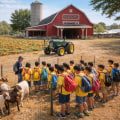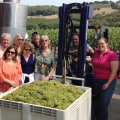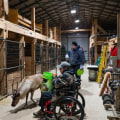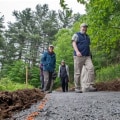
In recent years, farm tours have surged in popularity, offering a unique opportunity for individuals and families to connect with agriculture in a hands-on way. These tours provide an immersive experience, allowing visitors to explore the inner workings of farms, learn about sustainable practices, and appreciate the hard work that goes into food production. As urbanization continues to grow, many people are seeking ways to reconnect with nature and understand where their food comes from, making farm tours an appealing option. So, what exactly are farm tours? They typically involve guided visits to various types of farms—ranging from dairy and vegetable farms to vineyards and orchards—where guests can observe farming techniques, interact with animals, and sometimes even participate in activities like fruit picking or cheese making. This educational aspect not only enriches the visitor's experience but also fosters a greater appreciation for local agriculture and its impact on the community. The benefits of participating in farm tours extend beyond mere enjoyment.
They serve as an excellent way for families to spend quality time together while learning about healthy eating habits and the importance of supporting local farmers. Additionally, these tours often highlight sustainable farming practices, encouraging visitors to consider their own consumption habits and the environmental impact of their food choices. As we delve deeper into the specifics of farm tours, including policies on photography during these experiences, it becomes clear that they offer much more than just a day out—they provide valuable insights into our food systems and the people behind them.
Photography Policies on Farm Tours
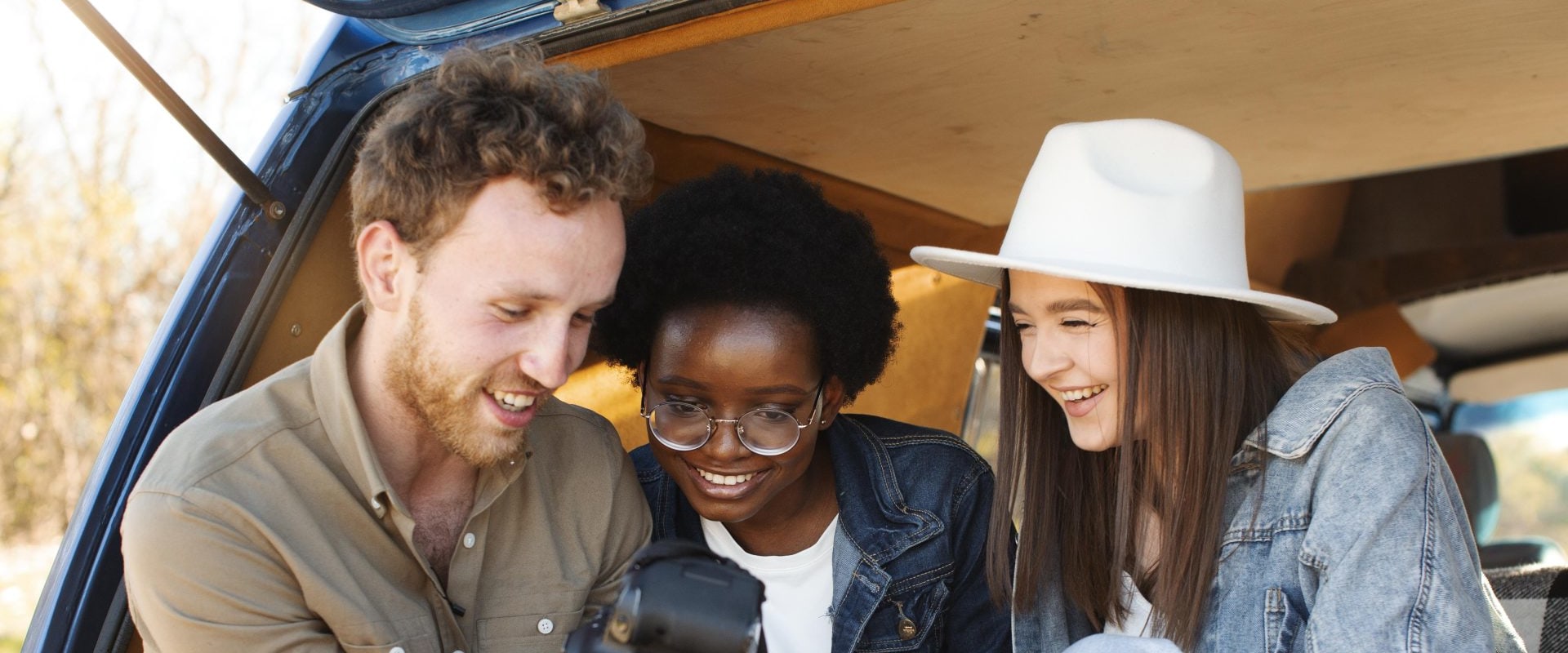
When planning to participate in farm tours, it's essential to understand the photography policies that may be in place. Each farm may have its own set of rules regarding photography, which can vary significantly based on the type of tour and the specific activities involved.Common Photography Policies:
- Personal Photography Allowed: Many farms encourage visitors to take personal photos during tours, especially in scenic areas or during special events.
This is a great way to capture memories of your experience.
- No Flash Photography: To protect both the animals and the ambiance, some farms may prohibit flash photography. This is particularly common in areas where animals are present, as sudden flashes can startle them.
- Commercial Photography Restrictions: If you plan to use your photos for commercial purposes, such as selling them or using them in promotional materials, you will likely need prior permission from the farm management. Always check ahead to avoid any misunderstandings.
- Social Media Sharing: Many farms are open to visitors sharing their experiences on social media. However, it’s advisable to tag the farm and use any designated hashtags they provide to promote their brand.
Tips for Respectful Photography:
- Always ask for permission before photographing staff or other visitors.
- Be mindful of your surroundings and avoid obstructing pathways or disrupting farm activities.
- If you’re unsure about a specific policy, don’t hesitate to ask a tour guide or staff member for clarification.
Always check the specific guidelines of the farm you are visiting to ensure a smooth and enjoyable tour.
Reasons for Photography Restrictions on Farm Tours
When participating in farm tours, visitors may find that photography is restricted or entirely prohibited. Understanding the reasons behind these restrictions can enhance the overall experience and foster respect for the farm's operations.Privacy Concerns One of the primary reasons for limiting photography on farm tours is to protect the privacy of individuals who work on the farm. Many farms are home to families and employees who may not wish to have their images captured and shared publicly. This concern is particularly relevant in settings where personal interactions occur, such as during guided tours or in close quarters.Safety Regulations Another significant factor is safety.Farms often involve heavy machinery, livestock, and various hazards that can pose risks to visitors. Allowing photography can distract guests from paying attention to safety instructions provided by tour guides. By restricting cameras, farms aim to ensure that all participants remain focused on their surroundings and adhere to safety protocols.Operational Integrity Additionally, some farms may restrict photography to protect their operational integrity. Farms often have proprietary techniques, processes, or products that they prefer to keep confidential.
Unauthorized sharing of images could lead to intellectual property concerns or competitive disadvantages.Enhancing the Experience Lastly, limiting photography can enhance the overall experience of a farm tour. When visitors are encouraged to engage fully with their surroundings without the distraction of taking photos, they are more likely to appreciate the sights, sounds, and smells of the farm environment. This immersive experience can lead to a deeper understanding of agricultural practices and a greater appreciation for local food systems. In conclusion, while it may be disappointing for some visitors, restrictions on photography during farm tours are often in place for valid reasons including privacy concerns, safety regulations, operational integrity, and enhancing visitor engagement.
Types of Photography Allowed on Farm Tours
When participating in farm tours, understanding the types of photography allowed can enhance your experience while respecting the farm's policies. Generally, most farms encourage visitors to capture the beauty of their landscapes, animals, and activities, but there are specific guidelines to follow.- Casual Photography: Visitors are typically allowed to take casual photos with their smartphones or personal cameras.
This includes snapshots of the scenery, crops, and farm animals.
- Family and Group Photos: Many farms welcome family and group photos, especially in designated areas like flower fields or near iconic farm structures.
- Social Media Sharing: Farms often encourage sharing your experiences on social media. However, it’s best to check if they have specific hashtags or guidelines for tagging their location.
- No Professional Equipment: Most farms do not allow the use of professional photography equipment such as tripods, drones, or large lenses without prior permission. This helps maintain a peaceful environment for both visitors and animals.
- Avoid Disturbing Animals: If you plan to photograph animals, ensure that you do not disturb them. Keep a safe distance and avoid flash photography, which can startle them.
- Respect Privacy: If the farm has private areas or staff members working, be sure to respect their privacy by not photographing them without consent.
By adhering to these rules, you can enjoy capturing memorable moments while ensuring a positive experience for everyone involved.
Best Practices for Taking Photos During Farm Tours
When participating in farm tours, capturing the beauty of the landscape and the unique aspects of farm life can enhance your experience. However, it’s essential to follow some best practices to ensure that your photography is respectful and appropriate.- Check Photography Policies: Before you start snapping photos, inquire about the farm's specific photography policies. Some farms may have restrictions on where and what you can photograph, especially in sensitive areas.
- Ask for Permission: If you wish to take pictures of farm staff or other visitors, always ask for their permission first. This shows respect for their privacy and comfort.
- Avoid Disrupting Activities: Be mindful of your surroundings.
If a farmer is demonstrating a process or if animals are being fed, try not to interfere. Capture moments without disrupting the flow of the tour.
- Use Natural Light: Whenever possible, utilize natural light for your photos. Early morning or late afternoon provides the best lighting conditions, enhancing the beauty of your shots without needing flash.
- Focus on Details: While wide shots of the landscape are beautiful, don’t forget to capture the intricate details that tell a story about farm life—like close-ups of crops, tools, or even textures of barn wood.
- Be Mindful of Equipment: If you’re using professional equipment, consider how it might affect others around you. A large camera setup can be intrusive in small spaces, so opt for a more compact camera if necessary.
Remember that the goal is to create lasting memories without compromising the experience for yourself or others.
FAQs About Photography on Farm Tours
When planning your visit to a farm tour, you may have questions about whether photography is permitted. Here are some common inquiries regarding this topic:- Is photography allowed during the farm tour?
Most farms encourage visitors to take photos to capture the beauty of the landscape and the unique experiences offered. However, it’s essential to check with the specific farm beforehand, as some may have restrictions in place. - Are there any areas where photography is prohibited?
Some farms may designate certain areas, such as animal enclosures or production facilities, where photography is not allowed to ensure the safety and privacy of both animals and staff. Always respect these guidelines. - Can I use a professional camera or equipment?
If you plan to use professional photography equipment, it’s best to inquire in advance.Some farms may require a permit for commercial photography or have specific rules regarding the use of tripods and lighting equipment.
- What about social media sharing?
Many farms appreciate when visitors share their experiences on social media. However, it’s courteous to tag the farm and use any designated hashtags they provide. This helps promote their business and connect with other visitors. - Are there any restrictions on drone photography?
Drone usage is often subject to strict regulations. Most farms do not allow drones without prior permission due to safety concerns and privacy issues.Always check local laws and farm policies before flying a drone.
Conclusion: Navigating Photography on Your Next Farm Tour
In conclusion, understanding the photography policies of the farm tours you plan to attend is essential for a smooth and enjoyable experience. Each farm may have its own set of rules regarding photography, influenced by factors such as privacy, safety, and the preservation of their working environment.Before embarking on your next farm tour, consider the following key points:- Check the Farm's Website: Most farms will provide information about their photography policies on their official websites. Look for a section dedicated to visitor guidelines.
- Ask Before You Snap: If you're unsure about whether photography is allowed, don’t hesitate to ask your tour guide or staff members.
They can clarify any restrictions and inform you about designated photo opportunities.
- Respect Privacy: Remember that many farms are also homes or workplaces for families. Always be respectful of personal spaces and avoid taking photos of individuals without their consent.
- Use Common Sense: If a particular area is marked as off-limits for photography, adhere to those guidelines. This not only shows respect for the farm but also ensures your safety.