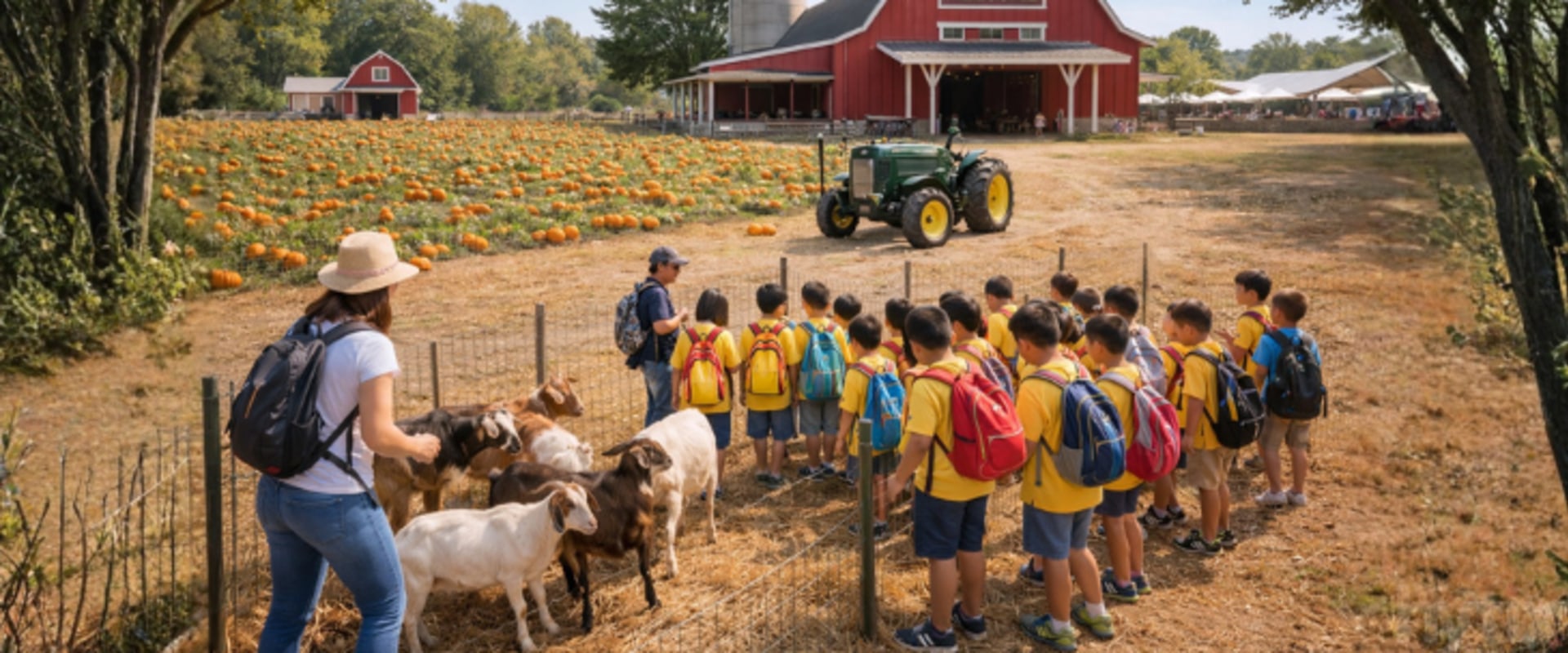
Farm tours have surged in popularity as more people seek authentic experiences that connect them to the land and the food they consume. These immersive excursions offer a unique opportunity to explore the inner workings of a farm, providing insights into agricultural practices, sustainability, and the rich history behind local farming traditions. Whether you are a city dweller looking to escape the urban hustle or a family seeking educational outings, farm tours cater to a diverse audience eager to learn and engage with nature. On a typical farm tour, visitors can expect a variety of activities designed to enhance their understanding of farm life. From guided walks through lush fields to hands-on experiences like fruit picking or animal feeding, these tours are crafted to be both informative and enjoyable.
Participants often have the chance to interact with farmers, who share their stories and expertise, making the experience not just about observation but also about connection. As you embark on a farm tour, you may also encounter special events such as seasonal festivals, cooking demonstrations, or workshops that delve deeper into specific aspects of farming. These activities not only enrich your visit but also foster a greater appreciation for the hard work that goes into producing our food. With each tour offering its own unique blend of experiences, there’s always something new to discover on the farm.
Types of Farm Tours Available
Farm tours come in a variety of formats, each designed to cater to different interests and preferences. Understanding the types of farm tours available can enhance your experience and help you choose the right one for your needs.- Educational Farm Tours: These tours are perfect for those looking to learn about agricultural practices, sustainability, and the science behind farming.
Participants often engage in hands-on activities, such as planting seeds or harvesting crops, while knowledgeable guides share insights about the farm's operations.
- Recreational Farm Tours: Ideal for families and groups, recreational tours focus on fun activities that may include hayrides, petting zoos, and seasonal events like pumpkin picking or berry harvesting. These tours provide a relaxed atmosphere where visitors can enjoy the beauty of the countryside.
- Agritourism-Focused Tours: Combining agriculture with tourism, these tours offer unique experiences such as wine tastings at vineyards, cheese-making workshops, or farm-to-table dining experiences. Agritourism tours often highlight local products and promote community engagement.
- Specialty Farm Tours: Some farms offer niche tours that focus on specific types of agriculture, such as organic farming, livestock management, or heritage breeds. These tours attract enthusiasts who are particularly interested in these specialized areas.
Whether you're seeking knowledge, adventure, or simply a day out in the fresh air, there's a farm tour that fits your interests perfectly.
Special Events Included in Farm Tours
Farm tours are not just about exploring the fields and learning about agricultural practices; they often include a variety of special events that enhance the overall experience. These events can vary significantly depending on the season and the specific farm, but they typically offer unique opportunities for visitors to engage with the farm's culture and community.- Harvest Festivals: Many farms host harvest festivals during the fall, celebrating the bounty of the season. These events often feature hayrides, corn mazes, and pumpkin picking, allowing visitors to immerse themselves in the festive atmosphere.
- Workshops: Educational workshops are a common feature of farm tours. These may include hands-on activities such as cooking classes using fresh produce, crafting with natural materials, or even learning about sustainable farming practices.
- Seasonal Celebrations: Throughout the year, farms may celebrate various seasonal events.
For instance, spring might bring flower festivals where guests can participate in planting activities or enjoy guided tours of blooming fields.
- Tastings and Tours: Many farms offer tasting events where visitors can sample local products such as cheeses, wines, or freshly harvested fruits and vegetables. These tastings often accompany guided tours that provide insights into the production process.
- Animal Interactions: Some farm tours include opportunities for visitors to interact with animals. This could involve feeding goats, milking cows, or participating in animal care workshops, making it a memorable experience for families.
Interactive Activities During Farm Tours
Farm tours offer a unique opportunity to engage with the agricultural world through interactive activities that enhance the overall experience.These hands-on experiences not only educate participants about farming practices but also create lasting memories.
Animal Feeding
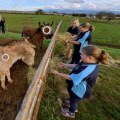
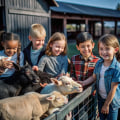
One of the most beloved activities during farm tours is animal feeding. Visitors, especially children, can enjoy the thrill of feeding goats, sheep, and chickens. This activity fosters a connection with animals and teaches participants about their care and diet. Many farms provide special feed that is safe for the animals, ensuring a fun and educational experience.Crop Picking
Another popular hands-on experience is crop picking.Depending on the season, visitors may have the chance to pick fruits and vegetables directly from the fields. This not only allows participants to learn about different crops but also emphasizes the importance of sustainable farming practices. Picking fresh produce can be a delightful way to understand where food comes from and encourages healthy eating habits.
Cooking Classes
Some farm tours also include cooking classes, where participants can learn how to prepare meals using the fresh ingredients they’ve just harvested. These classes often focus on farm-to-table concepts, teaching visitors how to create delicious dishes while highlighting the nutritional benefits of local produce.This interactive cooking experience not only enhances culinary skills but also deepens appreciation for local agriculture.
Workshops and Demonstrations
In addition to feeding animals and picking crops, many farms offer workshops and demonstrations on various topics such as cheese making, bread baking, or organic gardening. These sessions provide valuable insights into traditional farming techniques and modern practices, making them an enriching part of any farm tour.Overall, interactive activities during farm tours play a crucial role in engaging visitors. By participating in these hands-on experiences, guests leave with a greater understanding of agriculture and a newfound appreciation for the hard work that goes into producing their food.Educational Components of Farm Tours
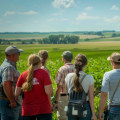
Farm tours offer a unique opportunity for visitors to engage with the agricultural world in a hands-on manner. These tours are not just about observing; they are designed to be educational experiences that provide insights into various farming practices and the importance of sustainability.During a typical farm tour, participants can expect:- Guided Explanations: Knowledgeable guides often lead the tours, sharing their expertise on topics such as crop rotation, organic farming, and animal husbandry.
This direct interaction allows visitors to ask questions and gain a deeper understanding of the processes involved in food production.
- Hands-On Activities: Many farms incorporate interactive elements where guests can participate in activities like planting seeds, feeding animals, or even harvesting crops. These experiences make learning more engaging and memorable.
- Sustainability Practices: Tours frequently highlight sustainable farming techniques that are crucial for environmental conservation. Visitors learn about composting, water management, and biodiversity, which are essential for maintaining healthy ecosystems.
- Workshops and Demonstrations: Some farm tours include workshops where participants can learn skills such as cheese-making or bread-baking. These demonstrations not only educate but also inspire visitors to appreciate the effort that goes into producing food.
They provide a fun and informative way to connect with nature while fostering an appreciation for agriculture. By participating in these tours, visitors leave with a greater understanding of where their food comes from and the importance of supporting local farms.
Seasonal Variations in Farm Tour Activities
Farm tours offer a unique opportunity to experience the changing rhythms of agricultural life throughout the year. Each season brings its own set of activities and events, making these tours not only educational but also engaging for visitors of all ages.Spring: A Time of Renewal
As winter fades, spring is a vibrant time on the farm. Visitors can participate in activities such as:- Planting Days: Join farmers as they sow seeds and learn about crop rotation and sustainable practices.
- Calving Season: Witness the birth of calves and understand the importance of livestock management.
- Flower Festivals: Enjoy guided tours through blooming fields, often accompanied by local artisans showcasing their crafts.
Summer: Harvesting Fun
Summer is bustling with activity, making it an ideal time for farm tours.Key highlights include:
- Berry Picking: Many farms offer pick-your-own experiences for strawberries, blueberries, and raspberries.
- Farmers' Markets: Engage with local vendors and taste fresh produce while learning about seasonal recipes.
- Workshops: Participate in hands-on workshops focusing on canning, preserving, and cooking with seasonal ingredients.
Fall: A Harvest Celebration
The fall season is synonymous with harvest festivals. Visitors can enjoy:- Pumpkin Picking: Explore pumpkin patches and select the perfect pumpkin for carving or cooking.
- Corn Mazes: Navigate through intricate corn mazes designed for fun and adventure.
- Apple Cider Pressing: Experience the traditional method of making cider from freshly picked apples.
winter: A Quiet Reflection
While many farms may slow down during winter, some offer unique experiences such as:- Holiday Markets: Shop for handmade goods and seasonal treats at festive markets.
- Sledding and Snowshoeing: Enjoy outdoor activities on farms that embrace winter sports.
- Farm Tours: Learn about winter preparations, including animal care and equipment maintenance.
Frequently Asked Questions About Farm Tours
When considering a farm tour, many potential visitors have questions that can help them prepare for an enjoyable experience. Here are some of the most frequently asked questions:- What activities are included in a farm tour? Most farm tours offer a variety of activities such as guided walks through the fields, animal interactions, and demonstrations of farming techniques.
Some farms may also include seasonal activities like fruit picking or hayrides.
- Are there any age restrictions? Many farm tours are family-friendly, but some activities may have age restrictions for safety reasons. It’s best to check with the farm beforehand to ensure everyone in your group can participate.
- What should I bring on a farm tour? Visitors are typically encouraged to wear comfortable clothing and sturdy shoes suitable for walking. Additionally, bringing sunscreen, a hat, and water is advisable, especially during warmer months. If you plan to purchase fresh produce, consider bringing reusable bags.
- Is there an admission fee? Admission fees vary by farm.
Some may charge a flat rate per person, while others might have family packages or discounts for children. Always check the farm's website or contact them directly for the most accurate pricing information.
- Are farm tours accessible for individuals with disabilities? Many farms strive to be inclusive and provide accessible options. However, accessibility can vary widely depending on the terrain and facilities available. It’s recommended to inquire about specific accommodations when booking your tour.
Always remember to check the specific details of the tour you plan to attend for the best experience!
Conclusion: The Value of Experiencing Farm Tours
In conclusion, farm tours offer a unique opportunity to connect with nature, learn about sustainable practices, and support local agriculture. Throughout this article, we have explored the various aspects that make these tours not just educational but also enjoyable for individuals and families alike.Participating in a farm tour allows visitors to:- Engage with Farmers: Direct interaction with farmers provides insights into their daily routines and challenges, fostering a deeper appreciation for the food we consume.
- Experience Hands-On Activities: Many tours include hands-on experiences such as fruit picking, animal feeding, or even participating in the harvest, making it a memorable outing.
- Learn About Sustainable Practices: Tours often highlight eco-friendly farming techniques, educating visitors on how they can contribute to sustainability.
- Taste Fresh Produce: Sampling fresh fruits, vegetables, and artisanal products during the tour enhances the experience and supports local businesses.