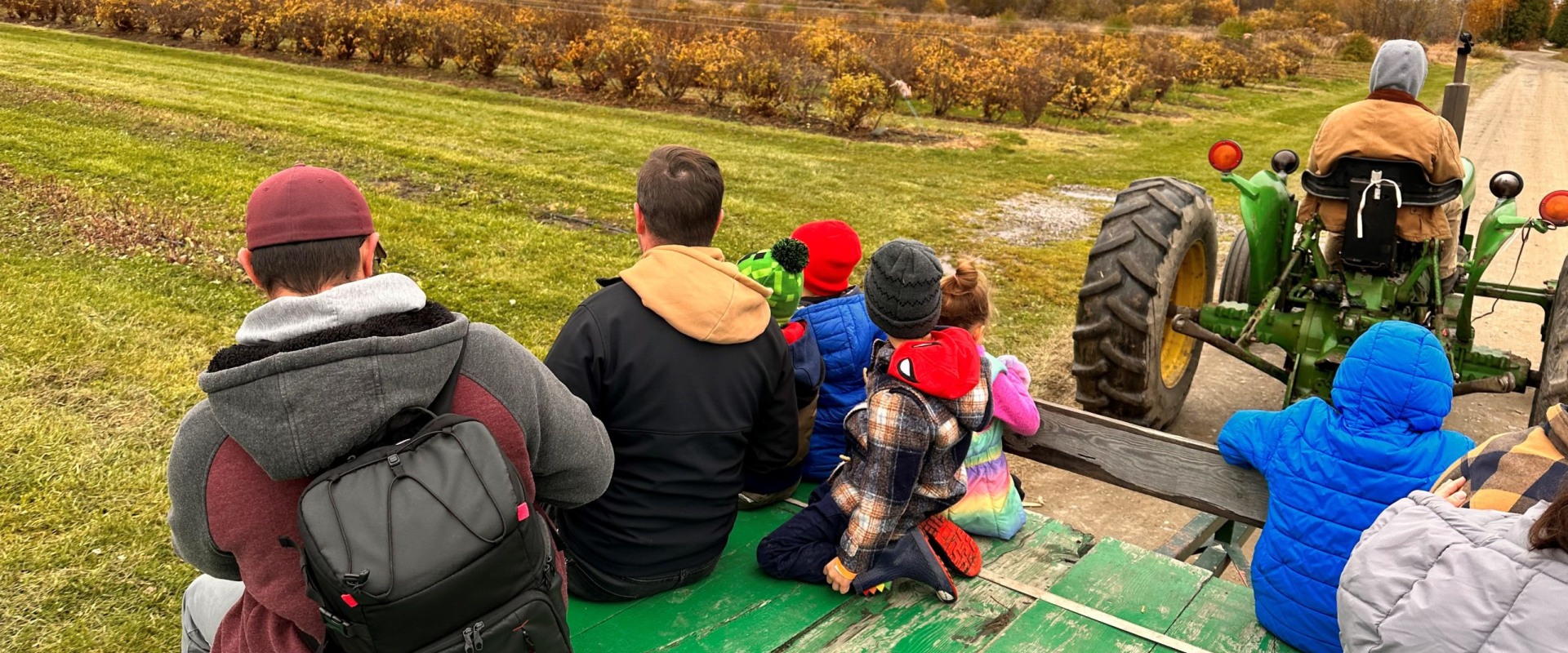
In recent years, farm tours have surged in popularity, captivating the interest of families, school groups, and tourists alike. These immersive experiences offer a unique opportunity to connect with the land, learn about sustainable practices, and appreciate the hard work that goes into food production. As agritourism continues to grow, understanding what to expect on a farm tour becomes essential for anyone considering this enriching adventure. Typically, a farm tour provides visitors with an engaging overview of the farming process, from planting to harvesting. Participants can expect guided walks through fields, demonstrations of farming techniques, and even hands-on activities like fruit picking or animal feeding.
This interactive approach not only educates but also fosters a deeper appreciation for local agriculture and its impact on our daily lives. As we delve into the specifics of farm tour durations, it’s important to note that these experiences can vary widely. Factors such as the type of farm, the activities included, and the overall itinerary can influence how long a tour lasts. Understanding these elements will help potential visitors plan their day effectively and make the most out of their time spent on the farm.
Typical Duration of Farm Tours
When planning a visit to a farm, one of the most common questions is, how long do farm tours last? The duration of farm tours can vary significantly based on several factors, including the type of farm, the activities included, and the specific location. On average, a typical farm tour lasts between 1 to 2 hours. This timeframe allows visitors to explore the farm, learn about its operations, and engage in interactive experiences.However, some tours may be shorter or longer depending on the offerings.
Factors Influencing Farm Tour Duration
- Type of Farm: Different farms offer various experiences. For instance, a small family-run farm may provide a brief overview in about an hour, while larger commercial farms might have more extensive tours lasting up to 3 hours.
- Activities Included: Tours that include hands-on activities such as fruit picking, animal feeding, or workshops will generally take longer. These interactive elements can extend the duration to around 2 to 4 hours.
- Location: Farms in tourist-heavy areas may offer more elaborate tours with additional attractions, potentially increasing the length of the visit.
This will help you manage your time effectively and ensure you get the most out of your experience.
Factors Influencing Farm Tour Length
When planning a farm tour, it's essential to understand that the duration can vary significantly based on several factors. Here are some key elements that influence how long a typical farm tour lasts:- Type of Farm: Different types of farms offer varying experiences. For instance, a dairy farm tour may last around 1-2 hours, focusing on milking processes and cheese-making demonstrations, while a vineyard tour might extend to 3-4 hours, including wine tasting and vineyard walks.
- Activities Included: The range of activities can greatly affect the length of the tour. Tours that include hands-on experiences, such as fruit picking or animal feeding, tend to take longer than those that are purely observational.
A tour that combines educational talks with interactive sessions may last up to 3 hours.
- Group Size: The size of the group can also play a role in determining the duration. Smaller groups often allow for more personalized attention and interaction, which can lead to longer tours as participants engage more deeply with the content. Conversely, larger groups may move through the tour more quickly.
- Seasonal Factors: The time of year can influence farm activities and, consequently, tour length. During peak seasons, such as harvest time, tours may be extended to accommodate additional activities like hayrides or special events.
Whether you're looking for a quick visit or an immersive experience, knowing what influences the duration will enhance your planning and enjoyment.
Types of Farm Tours and Their Durations
When considering farm tours, it's essential to understand that their durations can vary significantly based on the type of tour you choose. Here, we categorize the most common types of farm tours and provide insights into their typical lengths.Guided Farm Tours
Guided farm tours are led by knowledgeable staff who provide insights into the farming process, animal care, and sustainable practices. These tours usually last between 1 to 2 hours. During this time, visitors can engage with the guide, ask questions, and often enjoy interactive experiences such as feeding animals or participating in farm activities.Self-Guided Farm Tours
For those who prefer a more flexible experience, self-guided farm tours allow visitors to explore at their own pace.These tours typically last around 1 to 3 hours, depending on how much time visitors spend at each station or exhibit. Self-guided options often include maps or audio guides to enhance the experience.
Educational Farm Tours
Educational farm tours are designed specifically for schools or groups interested in learning about agriculture and sustainability. These tours can range from 2 to 4 hours, incorporating hands-on activities, workshops, and discussions led by educators. The extended duration allows for a deeper understanding of farming practices and environmental stewardship.In summary, the duration of farm tours can vary widely based on the type of tour selected.Whether you opt for a guided experience, a self-paced exploration, or an educational program, understanding these differences can help you plan your visit effectively.
What to Expect During a Farm Tour
When you embark on a farm tour, you can expect a variety of engaging activities that provide insight into the daily operations of a working farm. Each tour is unique, but there are common elements that many visitors experience.Guided Tours Most farm tours begin with a guided tour led by knowledgeable staff or the farm owner. This is an excellent opportunity to learn about the history of the farm, its practices, and the types of crops or livestock raised. Guides often share personal anecdotes that bring the farming experience to life.Hands-On Activities Many farms offer hands-on activities that allow visitors to participate in farm life.This could include:
- Feeding Animals: Interacting with farm animals such as goats, chickens, or cows can be a highlight for many visitors.
- Harvesting Crops: Depending on the season, guests may have the chance to pick fruits or vegetables directly from the fields.
- Workshops: Some farms host workshops on topics like cheese-making, gardening, or sustainable farming practices.
- Fresh Fruits and Vegetables: Taste the difference between store-bought and freshly harvested produce.
- Farm Products: Enjoy samples of jams, cheeses, or baked goods made from farm ingredients.
Tips for Planning Your Farm Tour Experience
Planning a farm tour can be an exciting adventure, but to make the most of your experience, it’s essential to prepare adequately. Here are some practical tips to help you plan your visit:- Research Your Options: Not all farm tours are created equal.
Look for farms that align with your interests, whether it’s organic farming, livestock, or specialty crops. Check reviews and ratings to gauge the quality of the tour.
- Check the Duration: Farm tours can vary in length, typically lasting from one hour to a full day. Make sure to confirm the duration when booking, so you can plan your day accordingly.
- Book in Advance: Many popular farms require reservations, especially during peak seasons. Booking ahead ensures you secure your spot and helps the farm manage visitor numbers effectively.
- Dress Appropriately: Farms can be muddy or dusty, depending on the weather and activities.
Wear comfortable shoes and clothing suitable for outdoor conditions. Don’t forget a hat and sunscreen if you’ll be outside for extended periods.
- Bring Essentials: Pack water bottles, snacks, and a camera to capture memories. If you’re visiting a working farm, consider bringing a notepad for jotting down interesting facts or questions you may have.
- Engage with the Farmers: Take advantage of the opportunity to ask questions and learn directly from those who work the land. Farmers often have fascinating stories and insights about their practices.
- Be Respectful: Remember that farms are working environments.
Follow any guidelines provided by your tour guide and respect the animals and crops you encounter.
Frequently Asked Questions About Farm Tours
When planning a visit to a farm, many potential visitors have questions about what to expect. Here are some common questions regarding farm tours that can help you prepare for your experience.How long does a typical farm tour last?
A typical farm tour usually lasts between 1 to 2 hours. This duration allows visitors to explore the farm, learn about its operations, and engage with the animals or crops.However, the length can vary based on the size of the farm and the specific activities included in the tour.
What should I wear for a farm tour?
It’s advisable to wear comfortable clothing and sturdy shoes suitable for walking on uneven terrain. Depending on the weather, consider bringing a hat, sunscreen, or a light jacket. If you plan to interact with animals, avoid loose clothing that could get caught.Are farm tours suitable for children?
Yes, most farm tours are family-friendly and designed to be educational and fun for children. Many farms offer special activities for kids, such as petting zoos or interactive demonstrations.Always check in advance if there are age restrictions or specific activities tailored for younger visitors.
Do I need to book in advance?
While some farms may accept walk-in visitors, it’s generally recommended to book your farm tour in advance. This ensures you secure a spot and allows the farm to prepare for your visit, especially during peak seasons.What can I expect to learn on a farm tour?
During a farm tour, you can expect to learn about various aspects of farming, including:- The types of crops or livestock raised on the farm
- Sustainable farming practices
- The importance of local agriculture
- The daily operations and challenges faced by farmers
Conclusion: Making the Most of Your Farm Tour Experience
In conclusion, understanding the duration of farm tours is essential for maximizing your experience. Typically, these tours can last anywhere from one hour to a full day, depending on the type of farm and the activities included. Knowing this can help you plan your visit more effectively.When considering a farm tour, it’s important to take into account several factors:- Type of Farm: Different farms offer varying experiences.
For instance, a small family-run farm may provide a shorter, more intimate tour, while larger commercial farms might have extensive programs that last longer.
- Activities Included: Tours that include hands-on activities such as fruit picking or animal feeding may take longer than those that are purely observational.
- Group Size: Smaller groups often allow for a more personalized experience, which can affect the overall duration of the tour.
- Plan Ahead: Research the farm and its offerings to choose a tour that fits your schedule and interests.
- Arrive Early: Give yourself time to explore the farm before the tour begins, as many farms have additional attractions.
- Engage with Guides: Don’t hesitate to ask questions during your tour; this interaction can enhance your understanding and enjoyment.