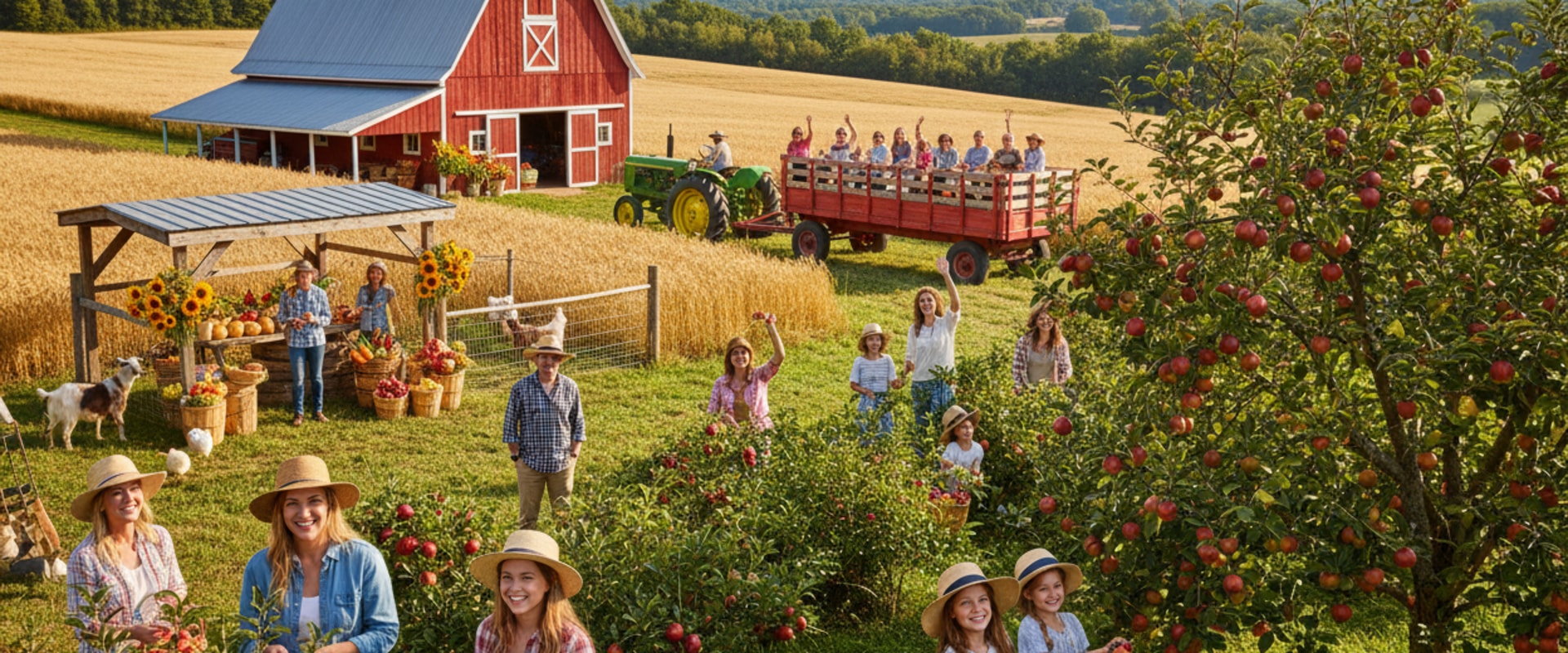
Farm tours offer a unique opportunity to explore the agricultural world, providing visitors with an immersive experience that showcases the hard work and dedication of farmers. These tours can vary widely in scope and style, catering to different interests and age groups. From educational excursions aimed at school groups to leisurely visits for families, farm tours are designed to connect people with the land and the food they consume. Typically, farm tours can be categorized into several types. Some focus on specific aspects of farming, such as organic practices, livestock management, or crop production.
Others may include hands-on activities like fruit picking or animal feeding, allowing participants to engage directly with the farming process. Additionally, many farms offer guided tours that provide insights into sustainable practices and the importance of local agriculture. As you consider participating in a farm tour, it's essential to understand that many of these experiences involve some level of walking. Whether you're navigating through fields, exploring barns, or visiting different sections of the farm, being prepared for a bit of exercise can enhance your overall experience. This walking not only allows you to appreciate the beauty of the landscape but also gives you a closer look at the various operations that take place on a working farm.
The Walking Experience on Farm Tours
When considering farm tours, one of the most common questions is about the amount of walking involved.The experience can vary significantly depending on the type of farm and the specific tour you choose. Generally, visitors can expect a moderate level of physical activity, which often includes walking through fields, gardens, and various farm facilities.
Typical Walking Distances
- Short Tours: Some farm tours are designed to be brief, involving less than a mile of walking. These are ideal for families with young children or those who prefer a more relaxed experience.
- Standard Tours: Most farm tours involve walking distances ranging from 1 to 2 miles. This allows visitors to explore different areas of the farm while still being manageable for most fitness levels.
- Extended Tours: For those looking for a more immersive experience, some farms offer extended tours that can involve 3 miles or more of walking.
These tours often include visits to remote areas of the farm, providing a deeper understanding of agricultural practices.
What to Expect
During your farm tour, you may encounter uneven terrain, dirt paths, and sometimes even steep inclines. It’s advisable to wear comfortable shoes and dress appropriately for the weather. Many farms provide guided tours where knowledgeable staff will lead you through the property, sharing insights about farming techniques and local produce.If you have mobility concerns, it’s best to check with the farm in advance. Some farms offer accommodations or alternative options for those who may find extensive walking challenging.In summary, while there is typically some walking involved in farm tours, the distance and intensity can vary widely.
Understanding what to expect can help you prepare for an enjoyable and educational experience on the farm.
Factors Influencing Walking on Farm Tours
When considering farm tours, the amount of walking involved can vary significantly based on several key factors. Understanding these factors can help visitors prepare for their experience and ensure they enjoy the tour to its fullest.Terrain of Farm Tours
The terrain of the farm plays a crucial role in determining how much walking is required. Some farms feature flat, well-maintained paths that make it easy for visitors to navigate, while others may have uneven ground, hills, or natural obstacles that can increase the difficulty of walking. For instance:- Flat Farms: These typically require less walking effort and are more accessible for individuals with mobility challenges.
- Hilly or Uneven Terrain: Tours in these areas may involve more strenuous walking, which could be challenging for some visitors.
Type of Tour
The specific type of farm tour also influences the amount of walking involved.Guided tours may have set routes that dictate how much ground is covered, while self-guided tours might allow for more flexibility but could lead to longer distances walked. Additionally:
- Walking Tours: These are designed to explore various parts of the farm on foot and will naturally involve more walking.
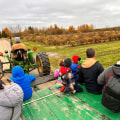
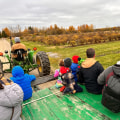
- Vehicle Tours: Some farms offer tours via tractor or wagon, significantly reducing the amount of walking required.
Accessibility Options
Accessibility is another important factor to consider when evaluating waking on farm tours. Many farms are increasingly aware of the need to accommodate visitors with different abilities. Options may include:- Paved Paths: Farms that provide paved or well-maintained paths can enhance accessibility for those using wheelchairs or strollers.
- Shuttle Services: Some farms offer shuttle services to transport visitors between key points, minimizing the need for extensive walking.
By understanding these factors, visitors can better prepare for their experience and enjoy all that the farm has to offer without undue strain.
Types of Farm Tours and Their Walking Requirements
When considering farm tours, it's essential to understand the different types available and their respective walking requirements. This knowledge can help you select a tour that aligns with your comfort level and interests.Guided Farm Tours
Guided farm tours typically involve a knowledgeable guide who leads the group through various parts of the farm. These tours often include:- Walking: Moderate walking is usually required, as guides will take you to different areas to showcase farming practices, livestock, and crops.
- Duration: Most guided tours last between 1 to 3 hours, depending on the size of the farm and the number of stops.
- Accessibility: Many farms strive to accommodate visitors with mobility issues, offering options like shorter routes or vehicle assistance.
Self-Guided Farm Tours
Self-guided tours allow visitors to explore at their own pace. These tours may have varying walking requirements:- Walking: Depending on the layout of the farm, you might encounter extensive walking paths or shorter loops designed for quick visits.
- Flexibility: You can choose how much time to spend at each stop, making it ideal for those who prefer a leisurely experience.
Educational Farm Tours
Educational tours focus on teaching visitors about sustainable farming practices, crop cycles, and animal husbandry.The walking requirements can vary significantly:
- Walking: These tours often require more extensive walking as they may include multiple educational stations throughout the farm.
- Engagement: Participants are encouraged to interact with exhibits and demonstrations, which may involve moving between different areas.
What to Wear and Prepare for Walking on Farm Tours
When preparing for a farm tour that involves walking, it’s essential to consider both comfort and safety. The right attire can significantly enhance your experience, allowing you to focus on the beauty of the farm and the activities at hand.What to Wear
- Footwear: Choose sturdy, comfortable shoes with good traction. Sneakers or hiking boots are ideal, as they provide support and grip on uneven terrain.
- Clothing: Opt for breathable, moisture-wicking fabrics that allow for ease of movement.
Long pants are recommended to protect your legs from scratches and insect bites.
- Weather Considerations: Check the forecast before your visit. If it’s sunny, wear a wide-brimmed hat and sunglasses. In cooler weather, layering is key; a light jacket can be easily removed if you get warm.
Preparation Tips
- Stay Hydrated: Bring a water bottle to keep yourself hydrated throughout the tour, especially if you’ll be walking for an extended period.
- Sunscreen: Apply sunscreen before your visit and reapply as needed, particularly if you’ll be outdoors for several hours.
- Insect Repellent: Depending on the season and location, consider using insect repellent to ward off bugs that may be present on the farm.
Frequently Asked Questions About Walking on Farm Tours
When considering farm tours, many potential visitors often wonder about the extent of walking involved.Here are some common questions and concerns regarding walking during these tours:
- How much walking is typically required? The amount of walking can vary significantly depending on the farm and the specific tour. Some farms offer guided tours that involve minimal walking, while others may require participants to walk several miles to explore different areas.
- Are there accommodations for those with mobility issues? Most farms strive to be inclusive and may offer options such as golf carts or accessible pathways. It’s advisable to check with the farm in advance to understand what accommodations are available.
- What type of footwear is recommended? Comfortable, closed-toe shoes are highly recommended for farm tours. This ensures safety and comfort while navigating uneven terrain or muddy paths.
- Can I bring my children on the tour? Yes, many farm tours are family-friendly.
However, parents should consider their children's ability to walk long distances and whether they might need a stroller or carrier for younger kids.
- What if I can’t walk long distances? If you have concerns about walking, it’s best to communicate this when booking your tour. Many farms can tailor the experience to accommodate your needs, ensuring you don’t miss out on the fun.
Conclusion: Making the Most of Your Farm Tour Experience
In conclusion, understanding the walking requirements of a farm tour is essential for planning an enjoyable experience. As we have discussed, the level of walking involved can vary significantly from one farm to another.Some tours may offer a leisurely stroll through picturesque fields, while others might require more extensive walking to explore different areas of the farm.When considering a farm tour, it’s important to assess your own comfort level and physical ability. Here are some key points to keep in mind:
- Research the Tour: Before booking, check the tour details on the farm's website or contact them directly to inquire about the walking distance and terrain.
- Dress Appropriately: Wear comfortable shoes and clothing suitable for walking outdoors. This will enhance your experience and ensure you can fully enjoy the sights.
- Consider Accessibility: If you or someone in your group has mobility issues, look for farms that offer accessible tours or alternative options.
- Plan for Breaks: If the tour involves significant walking, be sure to take breaks as needed. Many farms provide resting spots where you can enjoy the scenery.
By being informed about the walking aspects of your chosen tour, you can make the most of your visit and create lasting memories. Whether you’re exploring a local farm or venturing further afield, embracing the opportunity to walk through these beautiful landscapes will enrich your understanding of farming practices and the environment.