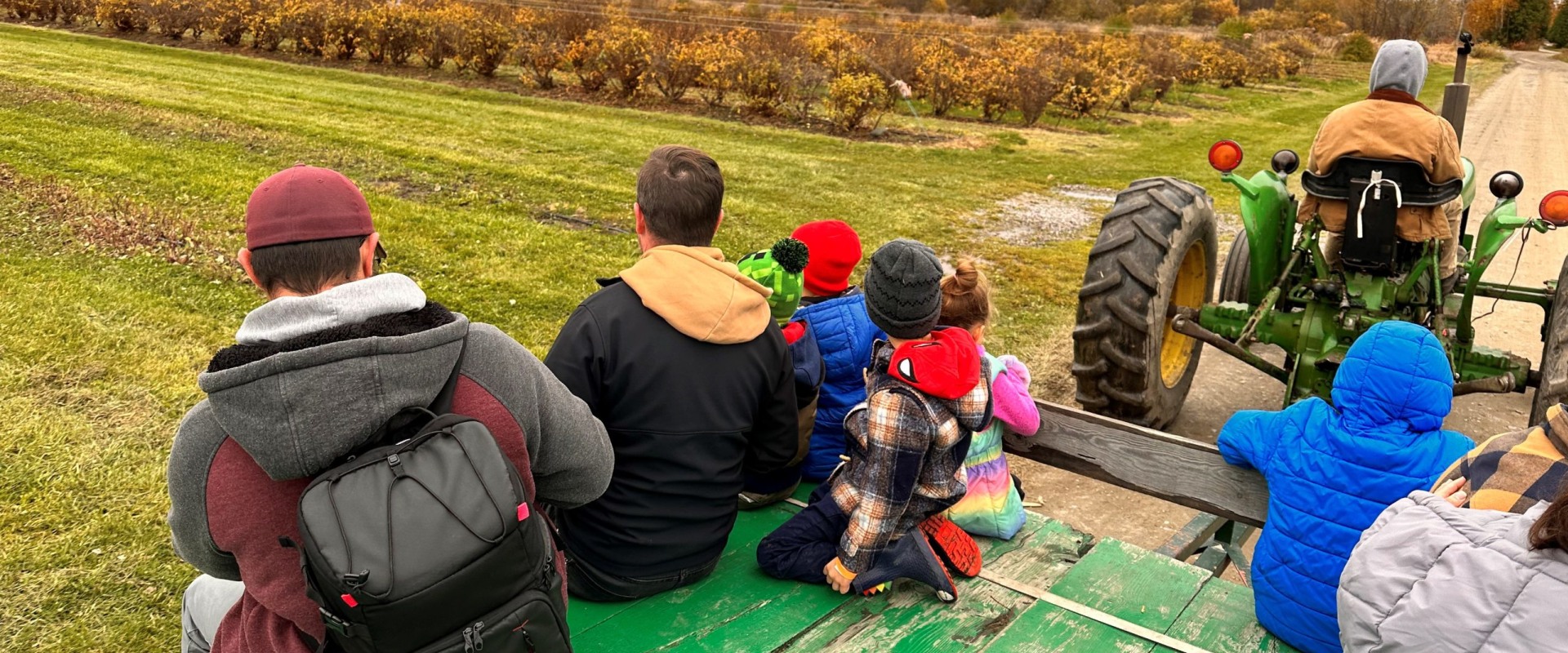
Farm tours have become increasingly popular as more people seek to connect with the origins of their food and experience the charm of rural life. These tours offer a unique opportunity to explore working farms, learn about sustainable practices, and engage with the local community. Whether you’re visiting a dairy farm, a vineyard, or an organic vegetable farm, each tour provides a glimpse into the hard work and dedication that goes into producing the food we enjoy every day. As you plan your visit to a farm tour, it’s essential to consider what you can bring along. While many farms welcome guests with open arms, there are often specific restrictions in place to ensure the safety of both visitors and animals.
Understanding these guidelines not only enhances your experience but also helps maintain the integrity of the farm environment. From food and drink policies to restrictions on pets and photography, being informed will allow you to fully enjoy your time on the farm. In this article, we will delve deeper into the various farm tour restrictions that visitors should be aware of. By knowing what is allowed and what isn’t, you can prepare adequately for your adventure. So whether you’re a seasoned farm tour enthusiast or a first-time visitor, let’s explore how to make the most of your experience while respecting the rules that keep these farms thriving.
General Overview of Farm Tour Policies
When planning a visit to a farm, it’s crucial to be aware of the general rules for farm tours that many establishments implement.These policies are designed to ensure the safety of both visitors and animals, as well as to maintain the integrity of the farm environment.Most farms will have specific farm tour policies that may vary from one location to another, but there are common guidelines that you can expect:
- Advance Reservations: Many farms require visitors to book their tours in advance. This helps manage the number of guests and ensures a more personalized experience.
- Age Restrictions: Some farms may have age restrictions for certain tours, particularly those involving livestock or machinery. Always check in advance if children are allowed.
- Dress Code: Visitors are often advised to wear appropriate clothing and footwear. Closed-toe shoes are typically recommended, and some farms may suggest long pants to protect against scratches or insect bites.
- No Outside Food or Drink: To maintain cleanliness and avoid attracting pests, many farms prohibit outside food and beverages during tours.
- Pet Policies: While some farms may allow pets, others strictly prohibit them due to safety concerns for both animals and visitors.
Always confirm before bringing your furry friends.
- Photography Rules: Farms may have specific guidelines regarding photography. Some may allow it freely, while others might restrict it to certain areas or require permission.
Common Restrictions on Items Brought to Farm Tours
When planning your visit to a farm tour, it’s essential to be aware of the common restrictions on items you can bring along. These guidelines are in place to ensure the safety of both visitors and the farm's operations.- Food and Drinks: Most farm tours prohibit bringing outside food and beverages.
This restriction helps maintain cleanliness and prevents attracting unwanted pests. Instead, many farms offer their own refreshments for purchase, allowing you to enjoy local flavors.
- Pets: While pets are beloved companions, they are generally not allowed on farm tours. This policy is primarily for the safety of both animals and visitors, as well as to avoid any disruptions during the tour.
- Large Bags and Backpacks: To facilitate a smooth experience, many farms request that visitors leave large bags at home. Smaller bags or purses may be permitted, but it’s best to check in advance.
This helps keep pathways clear and reduces the risk of accidents.
- Weapons and Hazardous Items: For safety reasons, items such as weapons, fireworks, or any hazardous materials are strictly prohibited on farm tours. This ensures a safe environment for everyone involved.
Safety Regulations and Health Guidelines
When planning your visit to a farm tour, it’s essential to be aware of the safety regulations and health guidelines that may dictate what you can bring along.These measures are not only designed to protect visitors but also to ensure the well-being of the animals and the overall farm environment.
Common Restrictions:
- Food and Beverages: Many farms prohibit outside food and drinks to prevent contamination and protect livestock from harmful substances. Always check with the farm beforehand.
- Pets: While your furry friends may be adorable, they can pose a risk to farm animals. Most farms do not allow pets on tours, so it’s best to leave them at home.
- Large Bags or Backpacks: To maintain a safe environment, some farms may restrict large bags that could potentially carry harmful items or create obstacles during the tour.
Health Guidelines:
In addition to restrictions on items, health guidelines are crucial for ensuring a safe experience. Visitors are often required to:
- Wash Hands: Handwashing stations are typically available, and visitors should use them before and after interacting with animals.
- Wear Appropriate Footwear: Closed-toe shoes are recommended to protect against injuries and maintain hygiene.
- Follow Instructions: Always adhere to the farm staff's instructions regarding safety protocols, as they are trained to ensure a safe experience for everyone.
Always check the specific rules of the farm you plan to visit, as they can vary significantly from one location to another.
What You Can Bring on Farm Tours
When planning your visit to a farm tour, it’s essential to know what you can bring along to ensure a smooth and enjoyable experience. While each farm may have its own specific rules, there are common items that are generally allowed on most farm tours.- Cameras: Most farms encourage visitors to capture memories, so feel free to bring your camera or smartphone. Just be sure to respect any guidelines regarding photography, especially around livestock or sensitive areas.
- Small Bags: A small backpack or tote can be handy for carrying personal items like water bottles, snacks, and sunscreen. However, large bags may not be permitted due to safety and space considerations.
- Personal Items: Essentials such as hats, sunglasses, and comfortable shoes are recommended.
Depending on the season, you might also want to bring a light jacket or rain gear.
- Water Bottles: Staying hydrated is crucial, especially during outdoor tours. Many farms allow you to bring a refillable water bottle.
- Snacks: While some farms may provide refreshments, bringing your own snacks can be a good idea, particularly for families with children. Just check if there are any restrictions on food items.
- Large Bags or Backpacks: Due to safety concerns and the need for space in certain areas, large bags may not be allowed.
- Pets: Most farms do not permit pets unless they are service animals.
This is to ensure the safety of both animals and visitors.
- Alcohol: Bringing alcohol onto the farm is usually not allowed unless specified by the tour organizers.
FAQs About Farm Tour Restrictions
When planning your visit to a farm tour, it's essential to be aware of certain restrictions that may apply. Here are some frequently asked questions regarding what you can and cannot bring on a farm tour:What items are prohibited on farm tours?
- Food and Drinks: Many farms do not allow outside food or beverages to prevent contamination and maintain cleanliness.
- Pets: Most farms have strict no-pet policies to ensure the safety of both animals and visitors.
- Large Bags or Backpacks: To facilitate movement and safety, large bags may be restricted. It's best to carry only essentials.
- Weapons: Firearms and other weapons are typically prohibited on farm premises.
Are there any specific clothing requirements?
While there are generally no strict dress codes, it is advisable to wear comfortable clothing and closed-toe shoes.Farms can be muddy or uneven, so appropriate footwear is crucial for your safety.
Can I take photos during the tour?
Photography policies vary by farm. Some farms encourage visitors to take pictures, while others may restrict photography in certain areas, especially around livestock or sensitive equipment. Always check with your tour guide for specific rules.What about children on farm tours?
Children are often welcome on farm tours, but they must be supervised at all times. Some farms may have age restrictions for certain activities, so it's wise to inquire beforehand.If you have any additional questions about farm tour restrictions, don’t hesitate to reach out to the farm directly before your visit.Being informed will help ensure a smooth and enjoyable experience!
Tips for a Successful Farm Tour Experience
To ensure a successful farm tour experience, preparation and etiquette play crucial roles. Here are some practical tips to help you make the most of your visit:- Dress Appropriately: Wear comfortable clothing and sturdy shoes suitable for outdoor activities. Consider the weather and be prepared for muddy or uneven terrain.
- Stay Hydrated: Bring a water bottle to stay hydrated, especially if the tour involves walking or outdoor activities. Some farms may have refill stations, but it’s best to come prepared.
- Follow Guidelines: Pay attention to any rules or guidelines provided by the farm.
This may include restrictions on where you can go, what you can touch, and safety protocols.
- Respect the Animals: If the tour includes animal interactions, approach them calmly and follow the guide’s instructions. Always ask before petting or feeding animals.
- Be Mindful of Your Impact: Farms are working environments. Avoid littering and be conscious of your surroundings to minimize your impact on the land.
- Ask Questions: Engage with your tour guide by asking questions. This not only enhances your understanding but also shows appreciation for their expertise.
- Plan Ahead: Check the farm’s website or contact them in advance to learn about any specific restrictions or recommendations for visitors.
This can include what items are allowed on the tour.
Conclusion: Preparing for Your Farm Tour Adventure
As you prepare for your upcoming farm tour, understanding the restrictions and guidelines can significantly enhance your experience. Each farm may have its own set of rules, but there are common themes that you should keep in mind. First and foremost, it’s essential to check if there are any specific items that are prohibited on the tour. Many farms restrict items such as:- Food and Drinks: To maintain cleanliness and avoid attracting pests, most farms do not allow outside food or beverages.
- Large Bags or Backpacks: These can be cumbersome and may pose safety risks, so it’s advisable to bring only what you need.
- Pets: While some farms may allow pets, many do not due to safety concerns for both animals and visitors.
Farms can be muddy or dusty, so wearing appropriate footwear is crucial. Closed-toe shoes are often recommended to protect your feet while navigating uneven terrain. Another important aspect is to respect the farm's rules regarding photography. Some farms may have restrictions on taking photos of certain areas or animals, so always ask for permission if you're unsure. In conclusion, being aware of these restrictions not only helps you comply with the farm's policies but also ensures a more enjoyable and safe experience for everyone involved. By preparing adequately, you can focus on the unique aspects of your farm tour, from learning about sustainable practices to enjoying the beauty of rural life.