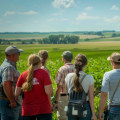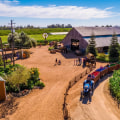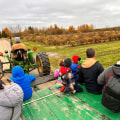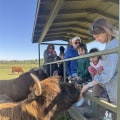
Farm tours offer a unique opportunity for individuals to connect with the land, understand agricultural practices, and appreciate the hard work that goes into food production. These tours are not just about showcasing crops and livestock; they serve as a vital link between consumers and the agricultural community. By participating in farm tours, visitors gain insights into sustainable farming methods, local food systems, and the importance of supporting local farmers. This engagement fosters a sense of community and encourages individuals to make informed choices about their food sources. Moreover, farm tours play a crucial role in educating the public about environmental stewardship and the challenges faced by farmers today.
They provide a platform for dialogue about issues such as climate change, biodiversity, and food security. As more people become aware of these topics through immersive experiences on the farm, they are more likely to advocate for sustainable practices and support local agriculture. However, it is essential to recognize that accessibility is a significant concern when it comes to farm tours. Ensuring that individuals with disabilities can fully participate in these experiences is not only a matter of compliance but also an opportunity to enrich the tour experience for everyone involved. By addressing accessibility needs, farms can create inclusive environments that welcome diverse audiences, allowing all visitors to enjoy the beauty and educational value of agricultural life.
Accessibility Features in Farm Tours
Farm tours are designed to be inclusive, ensuring that individuals with disabilities can fully enjoy the experience.Many farms are committed to providing accessibility features that cater to a variety of needs.
- Wheelchair Ramps: Most farms offer wheelchair ramps at key locations, including entrances to barns, visitor centers, and other facilities. This allows for easy access to all areas of the farm.
- Accessible Restrooms: Accessible restrooms are typically available on-site, equipped with features such as grab bars and sufficient space for maneuverability.
- Transportation Options: Some farms provide accessible transportation options, such as shuttle services with wheelchair lifts, ensuring that all guests can travel comfortably between different areas of the farm.
- Guided Tours: Many farms offer guided tours that can be tailored to meet the needs of individuals with disabilities. Guides are often trained to assist and provide additional support as needed.
- Seating Areas: Designated seating areas are available throughout the farm, allowing visitors to rest and enjoy the scenery without having to navigate difficult terrain.
By prioritizing accessibility, farms not only enhance the visitor experience but also promote inclusivity within their communities.
Types of Accommodations Offered
Farm tours are increasingly recognizing the importance of inclusive experiences for individuals with disabilities. Many farms are committed to providing a welcoming environment that accommodates various needs. Here are some common types of accommodations offered:- Accessible Pathways: Many farms ensure that their pathways are wheelchair-friendly, featuring smooth surfaces and gentle slopes. This allows individuals with mobility challenges to navigate the farm easily.
- Sensory-Friendly Experiences: Some farms offer sensory-friendly tours designed for individuals with sensory sensitivities.
These tours may include quieter times, reduced crowds, and opportunities to engage with animals in a calm setting.
- Guided Assistance: Trained staff members are often available to provide assistance during tours. They can help with navigating the farm, answering questions, and ensuring that all guests feel comfortable and included.
- Rest Areas: Designated rest areas equipped with seating and shade can be found throughout the farm. These spaces allow visitors to take breaks as needed, making the experience more enjoyable.
- Adapted Activities: Many farms offer adapted activities that cater to different abilities. For example, hands-on experiences like planting or harvesting may be modified to ensure everyone can participate.
When planning a visit, it’s advisable to contact the farm in advance to inquire about specific accommodations available during your tour.
Planning Your Visit: What to Consider
When planning your visit to a farm tour, it’s essential to consider the accessibility options available for individuals with disabilities. Many farms strive to create an inclusive environment, but the level of accessibility can vary significantly. Here are some key factors to keep in mind:- Contact the Farm Ahead of Time: Before your visit, reach out to the farm to inquire about their specific accommodations. Ask about wheelchair access, restroom facilities, and any other services they may offer for disabled visitors.
- Check for Accessible Paths: Ensure that the tour routes are suitable for mobility devices.
Some farms may have uneven terrain or gravel paths that can be challenging for wheelchairs or walkers.
- Transportation Options: If you require transportation assistance, ask if the farm provides accessible shuttles or if they can recommend local services that cater to individuals with disabilities.
- Rest Areas: Look for information on rest areas along the tour route. Having a place to sit and take breaks can make the experience more enjoyable.
- Service Animals: If you rely on a service animal, confirm that the farm is accommodating and understands the regulations regarding service animals.
- Plan Your Visit During Off-Peak Times: Visiting during less busy hours can provide a more relaxed atmosphere and easier navigation.
- Bring Necessary Equipment: If you use mobility aids, ensure they are in good condition and suitable for outdoor use.
- Wear Comfortable Clothing: Dress appropriately for the weather and wear comfortable shoes, as you may be walking on various surfaces.
Frequently Asked Questions About Accessibility on Farm Tours
When planning a visit to a farm tour, many individuals with disabilities may have specific questions regarding accessibility. Here are some common inquiries and their answers to help you prepare for an enjoyable experience.What accommodations are available for individuals with mobility challenges?
Most farm tours strive to be inclusive and offer various accommodations for visitors with mobility challenges.These may include:
- Accessible parking: Designated parking spaces close to the entrance.
- Wheelchair ramps: Ramps leading to key areas of the farm, ensuring easy access.
- Accessible restrooms: Facilities equipped for individuals with disabilities.
- Guided tours: Options for guided tours that can accommodate slower paces or specific needs.
Are service animals allowed on farm tours?
Yes, service animals are typically permitted on farm tours. These animals are trained to assist individuals with disabilities and are recognized under the Americans with Disabilities Act (ADA). However, it’s advisable to check in advance with the farm regarding their specific policies on service animals.What should I do if I have additional accessibility needs?
If you have specific accessibility requirements, it’s best to contact the farm tour organizers ahead of your visit. They can provide detailed information about available accommodations and may be able to make special arrangements to ensure your experience is comfortable and enjoyable.Are there any sensory-friendly options available?
Some farms offer sensory-friendly tours or events designed for individuals with sensory sensitivities.These may include quieter times for tours, reduced crowds, and modifications to activities that might be overwhelming. Always inquire about these options when planning your visit.By addressing these common questions, we hope to alleviate any concerns you may have about accessibility on farm tours. Ensuring that everyone can enjoy the beauty and education that farm tours provide is a priority for many farms across the country.
Real-Life Experiences: Testimonials from Disabled Visitors
Many individuals with disabilities have shared their positive experiences on farm tours, highlighting the importance of accessibility and inclusivity. Here are a few testimonials that showcase how these tours can be both enjoyable and accommodating.Emily's Journey
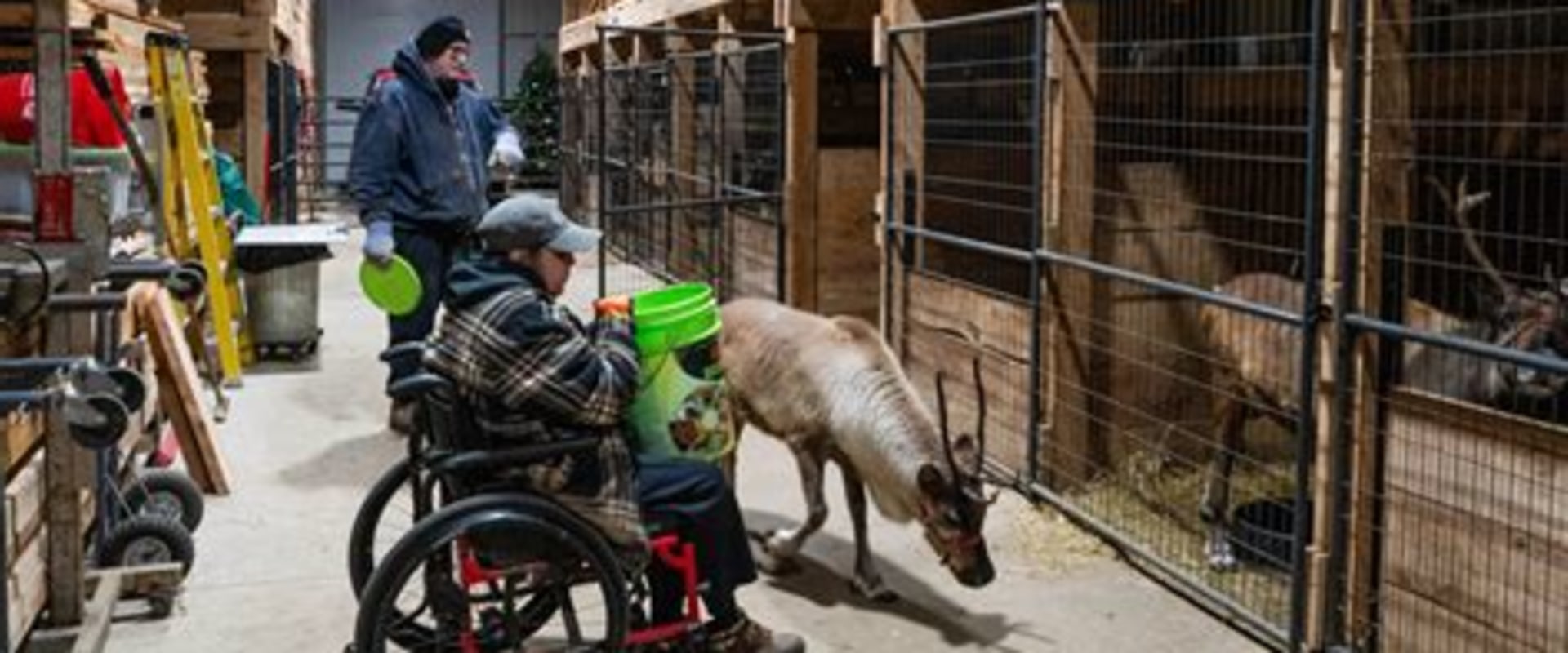
Emily, a wheelchair user, visited a local farm tour last summer.She expressed her delight in finding that the paths were well-maintained and wide enough for her wheelchair. "I was able to navigate the entire farm without any issues, and the staff were incredibly helpful, offering assistance whenever I needed it," she said. Emily particularly enjoyed the interactive animal feeding sessions, which were designed to be accessible for everyone.
Mark's Experience
Mark, who has a visual impairment, shared his experience of a sensory-friendly farm tour. "The guides were trained to provide descriptions of the surroundings and the animals, which made the experience immersive for me.I loved being able to touch the different textures of the crops and hear about their growth process," he noted. Mark emphasized how important it is for farms to consider sensory experiences for visitors with disabilities.
Linda's Family Visit
Linda visited a farm with her son, who has autism. She appreciated the quiet hours offered by the farm, allowing families like hers to enjoy the tour without overwhelming crowds. "The staff were understanding and patient, making sure my son felt comfortable throughout our visit.It was heartwarming to see him engage with nature in such a supportive environment," Linda shared.These testimonials illustrate that farm tours can be enriching experiences for individuals with disabilities when proper accommodations are in place. By prioritizing accessibility and understanding the unique needs of all visitors, farms can create memorable experiences that foster connection with nature and community.
Resources for Finding Accessible Farm Tours
Finding accessible farm tours can be a rewarding experience for individuals with disabilities and their families. Fortunately, there are several resources available to help you locate inclusive experiences that cater to various needs.Online Directories and Websites
- Accessible Travel: This website offers a comprehensive directory of accessible travel options, including farm tours. You can filter your search based on specific accessibility requirements.
- National Parks Foundation: While primarily focused on national parks, this resource provides information on accessible tours and activities that may include nearby farms.
- Disability Travel: This platform specializes in travel resources for individuals with disabilities, featuring listings of accessible attractions, including farms.
Local Organizations and Advocacy Groups
Many local organizations advocate for disability rights and can provide valuable information about disability-friendly travel resources.Consider reaching out to:
- The Arc : A national organization that supports individuals with intellectual and developmental disabilities. They often have local chapters that can assist in finding accessible activities.
- United Spinal Association : This organization focuses on spinal cord injury and disease but also provides resources for accessible travel options.
- Local tourism boards : Many regions have tourism boards that can offer insights into accessible attractions, including farms.
Social Media and Community Forums
Engaging with online communities can also yield helpful information. Platforms like Facebook and Reddit have groups dedicated to accessible travel where members share their experiences and recommendations for inclusive farm tours.By utilizing these resources, you can ensure that your farm tour experience is not only enjoyable but also accommodating to your specific needs. Always remember to contact the farm in advance to confirm their accessibility features and any special accommodations they may offer.Conclusion: Embracing Inclusivity in Farm Tours
In conclusion, the importance of inclusivity in farm tours cannot be overstated.As we have explored throughout this article, providing accommodations for individuals with disabilities is not just a legal obligation but a moral imperative that enriches the experience for everyone involved. By ensuring that all guests can participate fully, farms can foster a welcoming environment that celebrates diversity.Farm tours offer unique opportunities to connect with nature, learn about agriculture, and appreciate the hard work that goes into food production. However, these experiences should be accessible to all. Here are some key takeaways regarding inclusivity in farm tours:
- Accessibility Features: Many farms are implementing features such as wheelchair ramps, accessible restrooms, and designated parking to accommodate visitors with mobility challenges.
- Guided Assistance: Trained staff can provide assistance during tours, ensuring that individuals with disabilities receive the support they need to enjoy the experience.
- Customized Experiences: Some farms offer tailored tours that cater specifically to the needs of individuals with disabilities, allowing for a more personalized and enjoyable visit.
- Community Engagement: By actively seeking feedback from individuals with disabilities, farms can continuously improve their offerings and ensure that they meet the diverse needs of their visitors.
When everyone has the opportunity to engage with agriculture and nature, we cultivate a deeper understanding and appreciation for our food systems. Let us continue to advocate for accessible farm experiences that welcome all individuals, fostering a sense of belonging and connection to the land.