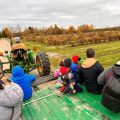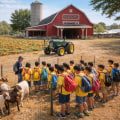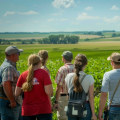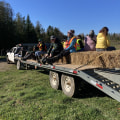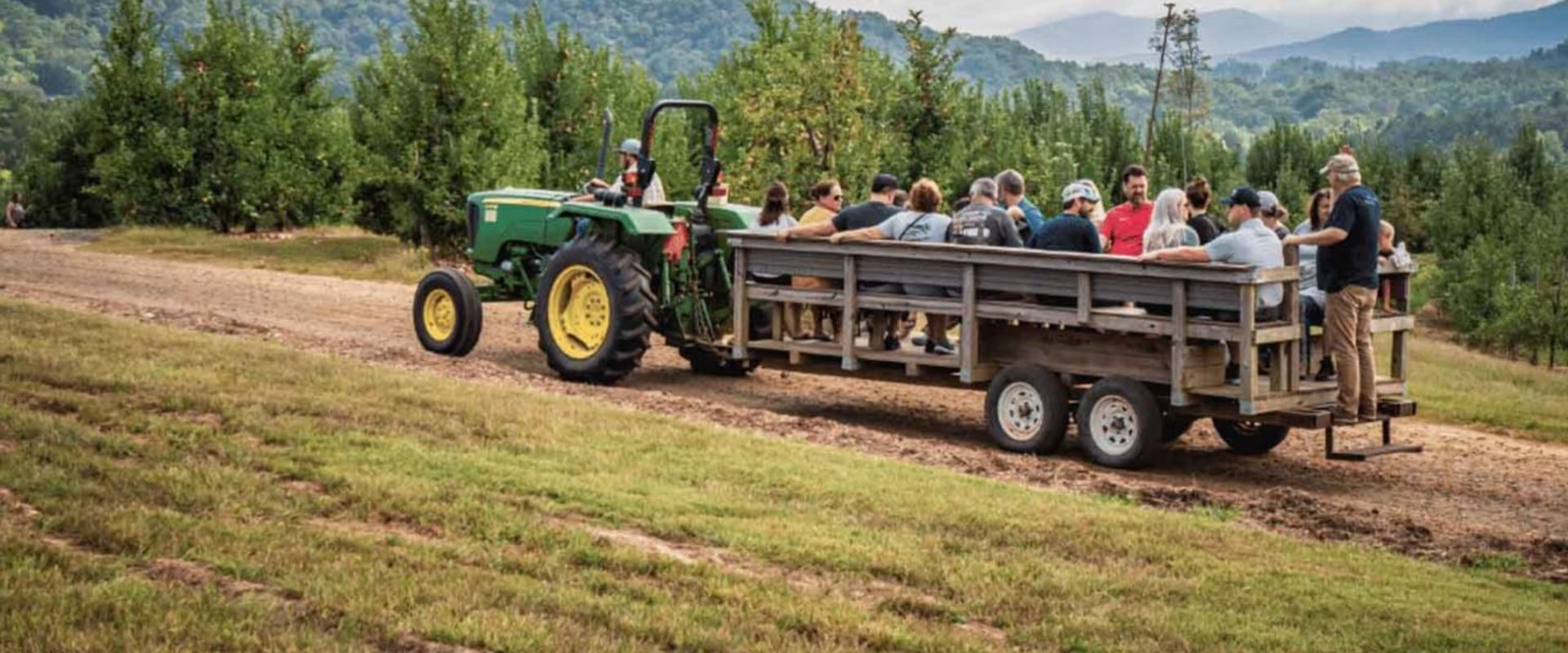
Farm tours offer a unique opportunity to connect with nature and gain insight into the agricultural practices that sustain our food systems. These tours typically involve guided visits to working farms, where visitors can observe various farming techniques, interact with animals, and learn about the crops being cultivated.
What are farm tours?
In essence, they are immersive experiences designed to educate and engage individuals of all ages about the importance of agriculture in our daily lives. The benefits of participating in farm tours extend beyond mere education. They provide a chance to support local farmers, understand sustainable practices, and appreciate the hard work that goes into food production.Additionally, these tours often foster a sense of community as visitors share their experiences and knowledge with one another. Whether you are a family looking for an educational outing or a group of friends seeking a fun day trip, farm tours cater to diverse interests and age groups. There are various types of farm tours available, ranging from organic vegetable farms to dairy operations and even vineyards. Each type offers its own unique perspective on farming and can include activities such as fruit picking, cheese tasting, or wine sampling. Understanding the different options available can help you choose the right tour that aligns with your interests and enhances your overall experience.
Planning Your Visit: Key Considerations
Planning a visit to a farm for a tour can be an exciting experience, but it requires some thoughtful preparation to ensure you make the most of your time.Here are some key considerations to keep in mind.
Best Time for Farm Tours
The timing of your visit can significantly impact your experience. Generally, spring and fall are considered the best seasons for farm tours. During these times, you can witness the beauty of blooming flowers or the vibrant colors of autumn harvests. Additionally, many farms offer special events during these seasons, such as pumpkin picking in the fall or flower festivals in the spring.What to Bring to a Farm Tour
To enhance your farm tour experience, it’s essential to come prepared.Here’s a list of items you should consider bringing:
- Comfortable Clothing: Wear weather-appropriate clothing that allows for easy movement. Consider layers, as farm environments can change throughout the day.
- Sunscreen and Hats: Protect yourself from sun exposure, especially if you’ll be outdoors for an extended period.
- Water Bottle: Staying hydrated is crucial, particularly during warmer months.
- Camera: Capture memories of your visit! Farms often have picturesque landscapes and adorable animals.
- Snacks: While many farms may offer food options, having some snacks on hand can be helpful, especially for children.
Finding the Right Farm Tour for You
When considering a farm tour, it's essential to understand the various types available to find one that aligns with your interests and needs. Here are some popular options:- Family-Friendly Farm Tours: These tours are designed with children in mind, offering interactive experiences such as petting zoos, hayrides, and opportunities to feed animals.
They often include educational components that teach kids about farming practices in a fun and engaging way.
- Educational Farm Tours: Perfect for school groups or anyone eager to learn, these tours focus on the agricultural process. Participants can expect in-depth discussions about crop cultivation, sustainable farming practices, and the science behind food production. Many educational tours also include hands-on activities, such as planting seeds or harvesting crops.
- Specialty Farm Tours: Some farms offer niche experiences, such as organic farms, wineries, or dairy farms. These tours often highlight specific products and may include tastings or demonstrations.
For example, a winery tour might include a vineyard walk followed by a wine tasting session.
Navigating Rural Roads: Tips and Tricks
When planning your visit for farm tours, navigating rural roads can be a unique experience that requires some preparation. Here are some essential tips to ensure a smooth journey.- Know Your Route: Before you set off, familiarize yourself with the route.
Use GPS or mapping apps that provide real-time updates. However, be aware that some rural areas may have limited cell service, so consider printing a map as a backup.
- Drive at a Safe Speed: Country roads often have lower speed limits, and it’s crucial to adhere to them. Watch for signs indicating speed limits and adjust your driving accordingly. Slower speeds also give you more time to react to unexpected obstacles, such as wildlife or farm equipment.
- Be Aware of Road Conditions: Rural roads can vary significantly in quality.
Some may be unpaved or have potholes. If you encounter rough terrain, reduce your speed and maintain control of your vehicle.
- Watch for Farm Traffic: Keep an eye out for tractors and other farm vehicles that may be sharing the road. These vehicles often move slowly and can appear suddenly around corners.
- Use Your Headlights: If you're driving during dawn or dusk, turn on your headlights to increase visibility. This is especially important in rural areas where lighting may be minimal.
- Stay Alert: Rural driving requires heightened awareness.
Avoid distractions such as mobile devices and keep your focus on the road.
- Plan for Emergencies: Always have an emergency kit in your vehicle, including water, snacks, a flashlight, and a first-aid kit. In case of breakdowns or emergencies, having these supplies can be invaluable.
- Check Weather Conditions: Before heading out, check the weather forecast. Rain or snow can make rural roads hazardous, so plan accordingly and adjust your travel times if necessary.
Frequently Asked Questions About Farm Tours
When planning your visit to a farm for a tour, you may have several questions. Here are some of the most common questions about farm tours that can help you prepare for an enjoyable experience.What should I wear for a farm tour?
It’s important to dress appropriately for a farm tour.Consider wearing:
- Comfortable shoes: Closed-toe shoes are recommended, as you may be walking on uneven terrain.
- Weather-appropriate clothing: Check the forecast and dress in layers if necessary. Farms can be cooler in the morning and warmer in the afternoon.
- Sun protection: If your tour is outdoors, don’t forget sunscreen, a hat, and sunglasses.
Are farm tours suitable for children?
Many farms welcome families and offer tours that are engaging for children. However, it’s best to check with the specific farm about age restrictions or special activities designed for younger visitors.What can I expect during a farm tour?
A typical farm tour may include:- Guided experiences: Knowledgeable guides will share insights about farming practices, animal care, and crop production.
- Hands-on activities: Some tours allow visitors to participate in feeding animals or picking fruits and vegetables.
- Tastings: Many farms offer samples of their products, such as fresh produce, dairy, or baked goods.
Conclusion: Making the Most of Your Farm Tour Experience
In conclusion, planning your visit to a farm for a tour is essential for ensuring a memorable and enjoyable experience.By considering the best transportation options, you can maximize your time on the farm and fully immerse yourself in the activities offered.First and foremost, it’s important to research the location of the farm and the available routes. Whether you choose to drive, take public transportation, or join a guided tour, understanding the distance and travel time will help you arrive relaxed and ready to explore. If driving, consider using a GPS or mapping app to avoid any unexpected detours.Additionally, check if the farm offers any shuttle services or partnerships with local transport providers. Many farms recognize the importance of accessibility and may provide options that make it easier for visitors to reach them.
- Plan Ahead: Make sure to book your tour in advance, especially during peak seasons when spots fill up quickly.
- Check Weather Conditions: Weather can impact travel plans; ensure you’re prepared for any changes that may affect your journey.
- Arrive Early: Arriving ahead of schedule allows you to enjoy the surroundings and participate in any pre-tour activities.
By taking these steps, you can ensure that your farm tour is both enjoyable and educational, leaving you with lasting memories and a deeper understanding of agricultural practices.