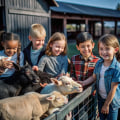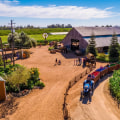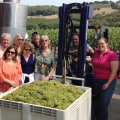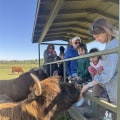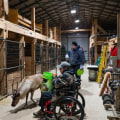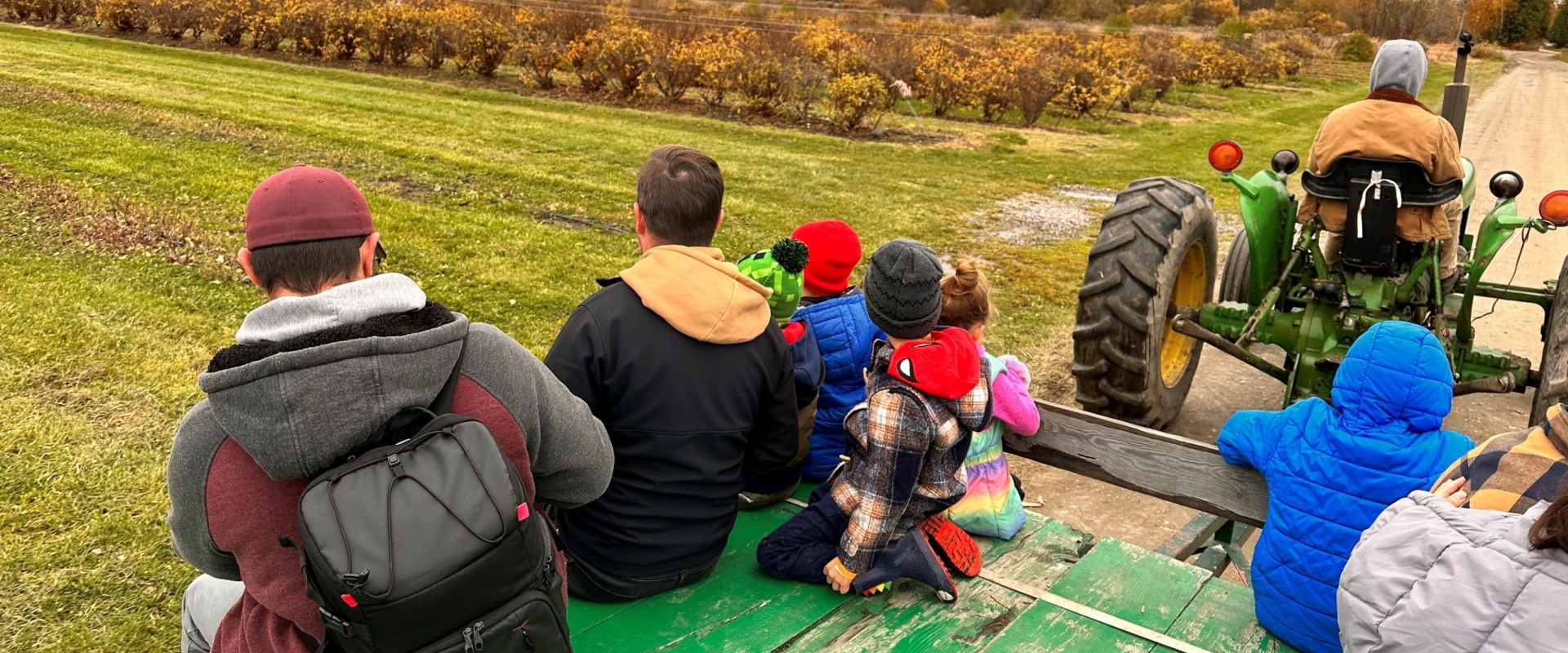
Farm tours have become an increasingly popular way for individuals and families to connect with agriculture and understand where their food comes from. These immersive experiences allow participants to explore working farms, engage with farmers, and learn about sustainable practices. As urbanization continues to rise, many people are seeking opportunities to reconnect with nature and gain insights into the agricultural processes that sustain our communities. What exactly are farm tours? Essentially, they are guided visits to farms where guests can observe various farming activities, participate in hands-on experiences, and often enjoy fresh produce directly from the source. These tours can range from small family-run operations to larger commercial farms, each offering unique perspectives on farming techniques and local ecosystems.
The benefits of participating in farm tours extend beyond mere education; they foster a deeper appreciation for the hard work that goes into food production and promote local economies. As the demand for authentic experiences grows, so does the interest in farm tours. However, potential participants often wonder about the logistics of these events, particularly regarding how many people can participate in a single tour. Understanding these limits is crucial for planning a visit that maximizes enjoyment and learning while ensuring a comfortable experience for all involved.
Factors Influencing Participation Limits in Farm Tours
When considering farm tours, several key factors influence the number of participants allowed. Understanding these factors can help both tour operators and potential visitors gauge what to expect.- Safety Regulations: One of the primary considerations is safety.
Many farms must adhere to local and federal safety regulations, which often dictate the maximum number of people allowed in certain areas. For instance, if a tour involves machinery or livestock, there may be strict limits to ensure that all participants can be safely monitored.
- Farm Size: The physical size of the farm plays a significant role in determining tour capacity. Larger farms may accommodate more visitors due to their expansive grounds, while smaller farms might limit group sizes to provide a more intimate experience and ensure that everyone can engage with the environment.
- Tour Structure: The structure of the tour itself can also affect group size. Some tours may include hands-on activities or interactive elements that require more space and attention from guides.
In such cases, smaller groups are often preferred to enhance the overall experience.
- Seasonal Demand: During peak seasons, farms may increase their tour offerings but still maintain limits to ensure quality. Conversely, during off-peak times, smaller groups may be more common as farms seek to provide personalized experiences.
Safety Regulations and Guidelines
When planning farm tours, it is essential to consider the various safety regulations and guidelines that may dictate the maximum number of participants allowed. These regulations are often put in place to ensure the safety of both visitors and farm operations.Local Laws and Regulations
- Many states have specific laws regarding the number of individuals that can participate in a tour, particularly in agricultural settings where machinery and livestock are present.
- Local health departments may also impose restrictions based on the size of the facility and the nature of the activities involved in the tour.
Group Size Safety Guidelines
- As a best practice, many farms limit group sizes to ensure that each participant can receive adequate attention from guides and staff.
- A smaller group size can enhance the overall experience, allowing for more interaction and engagement with the farm's operations.
Legal Limits on Farm Tours
- Some farms may be subject to specific legal limits based on their insurance policies, which could dictate how many people can safely be on-site at one time.
- It is crucial for farm operators to consult with legal experts or local authorities to understand any applicable limits that may affect their tours.
Types of Farm Tours and Their Capacity Limits
When considering farm tours, it's essential to understand that different types of tours come with varying capacity limits.These limits can significantly affect the overall experience, so knowing what to expect is crucial for potential participants.
Types of Farm Tours
- Public Farm Tours: These tours are open to the general public and often have larger capacity limits. Depending on the farm's size and resources, public tours can accommodate anywhere from 20 to over 100 participants. However, during peak seasons, such as harvest time, these numbers may increase.
- Private Farm Tours: Designed for smaller groups, private tours typically cater to families, friends, or corporate events. The capacity for private tours usually ranges from 5 to 30 people, allowing for a more personalized experience.
This smaller group size enables participants to engage more closely with the farm's operations and ask questions directly.
- Educational Farm Tours: Often organized for schools or educational institutions, these tours focus on teaching participants about agriculture and sustainability. Capacity limits for educational tours can vary widely but generally range from 10 to 50 students per session. This ensures that each participant can receive adequate attention from the tour guide.
- Farm Size: Larger farms may be able to accommodate more visitors due to their extensive facilities and resources.
- Safety Regulations: Farms must adhere to local safety guidelines, which can restrict the number of participants allowed on-site at any given time.
- Seasonal Demand: During busy seasons, farms may opt to limit group sizes to ensure a quality experience for all attendees.
Best Practices for Organizing Farm Tours
Organizing farm tours can be a rewarding experience, but managing group sizes effectively is crucial for ensuring a successful event. Here are some best practices to consider when planning your next tour.- Determine Optimal Group Size: The ideal group size for a farm tour often depends on the type of farm and the activities planned.
Generally, groups of 10 to 20 participants allow for more personalized interactions and better engagement. Larger groups may require additional guides or staff to maintain a quality experience.
- Plan for Different Age Groups: Consider the demographics of your participants. If your tour includes children, ensure that activities are suitable and engaging for all ages. This may mean limiting group sizes further to maintain safety and attention.
- Use Pre-Registration: Implementing a pre-registration system can help you manage the number of participants effectively.
This allows you to gauge interest and adjust your plans accordingly, ensuring that you do not exceed your capacity.
- Schedule Multiple Tours: If demand exceeds your capacity, consider offering multiple tours throughout the day. This not only accommodates more visitors but also allows for smaller, more manageable groups.
- Gather Feedback: After each tour, solicit feedback from participants regarding their experience. This information can help you refine your approach to group sizes and overall organization in future tours.
Frequently Asked Questions About Farm Tour Participation Limits
When considering farm tours, many potential visitors often wonder about the limits on participation.Understanding these limits can help you plan your visit more effectively.
What is the typical limit for participants on a farm tour?
The number of participants allowed on a farm tour can vary significantly depending on the farm's size, type, and the specific tour being offered. Generally, most farms aim to provide an intimate experience, so they may limit groups to anywhere from 10 to 30 people. This ensures that everyone can engage with the guide and ask questions.Are there any exceptions to these limits?
Yes, some farms may offer special tours for larger groups, such as schools or corporate events. In these cases, farms might accommodate up to 50 or more participants.However, it’s essential to book these tours in advance and confirm availability.
Why are there limits on farm tour participation?
- Safety: Smaller groups allow for better management of safety protocols, especially in areas where machinery or livestock are present.
- Experience Quality: Limiting group size enhances the overall experience, allowing for more personalized interaction with the farm staff.
- Logistics: Some farms have physical space constraints that make it challenging to accommodate large groups.
Conclusion: Key Takeaways on Farm Tour Participation Limits
In conclusion, understanding the participation limits for farm tours is essential for both organizers and attendees. These limits can vary significantly based on several factors, including the size of the farm, the type of tour being offered, and local regulations. Here are some key takeaways to consider:- Farm Size: Larger farms may accommodate more visitors, while smaller operations might have strict limits to ensure a personalized experience.
- Type of Tour: Educational tours often have lower participant caps to facilitate interaction and learning, whereas recreational tours may allow for larger groups.
- Safety Regulations: Compliance with health and safety guidelines can impose restrictions on group sizes, especially in light of recent global health concerns.
- Booking Policies: Many farms implement their own policies regarding maximum participants to enhance visitor experience and manage resources effectively.
Always check with the farm beforehand to confirm their specific guidelines and availability.