In recent years, farm tours have surged in popularity, offering a unique opportunity for individuals and families to connect with agriculture in a hands-on way. These tours provide an immersive experience, allowing visitors to explore the inner workings of a farm, learn about sustainable practices, and appreciate the hard work that goes into food production. From picking fresh fruits and vegetables to observing livestock in their natural habitat, farm tours cater to a wide range of interests and age groups. The benefits of participating in farm tours extend beyond mere entertainment. They serve as an educational platform where guests can gain insights into the agricultural process, understand the importance of local farming, and even discover new culinary delights.
Many tours also emphasize eco-friendly practices, promoting awareness about sustainability and the impact of food choices on the environment. This growing interest in agritourism not only supports local economies but also fosters a deeper appreciation for the land and its resources. As more people seek out these enriching experiences, practical considerations such as parking become increasingly important. Understanding where to park during your farm tour can enhance your visit, ensuring that you can focus on enjoying the sights and sounds of farm life without any logistical hassles. In the following sections, we will delve into these practical aspects, ensuring you are well-prepared for your next adventure on the farm.
Parking Availability at Farm Tours
When planning your visit to a farm tour, understanding the parking availability is crucial for a smooth experience.Most farms that offer tours recognize the importance of accessible parking and typically provide designated areas for visitors.Here are some common practices regarding parking at farm tours:
- Designated Parking Areas: Many farms have specific lots or areas set aside for tour participants. These are often located close to the main entrance, making it easy for guests to access the tour starting point.
- Signage: Look for clear signs directing you to the designated parking areas. Farms usually ensure that these signs are visible and easy to follow, helping you find your way without hassle.
- Capacity Considerations: During peak seasons or special events, parking can fill up quickly. It’s advisable to arrive early to secure a spot, especially if the farm is popular or hosting a large group.
- Alternative Options: If the designated parking is full, some farms may offer overflow parking in nearby fields or lots.
Be sure to check with the farm ahead of time about their policies regarding overflow parking.
- Accessibility: Farms often consider accessibility needs and may provide designated spots for those with disabilities. If you require special accommodations, it’s best to contact the farm in advance to ensure your needs are met.
Types of Parking Facilities Commonly Found at Farms
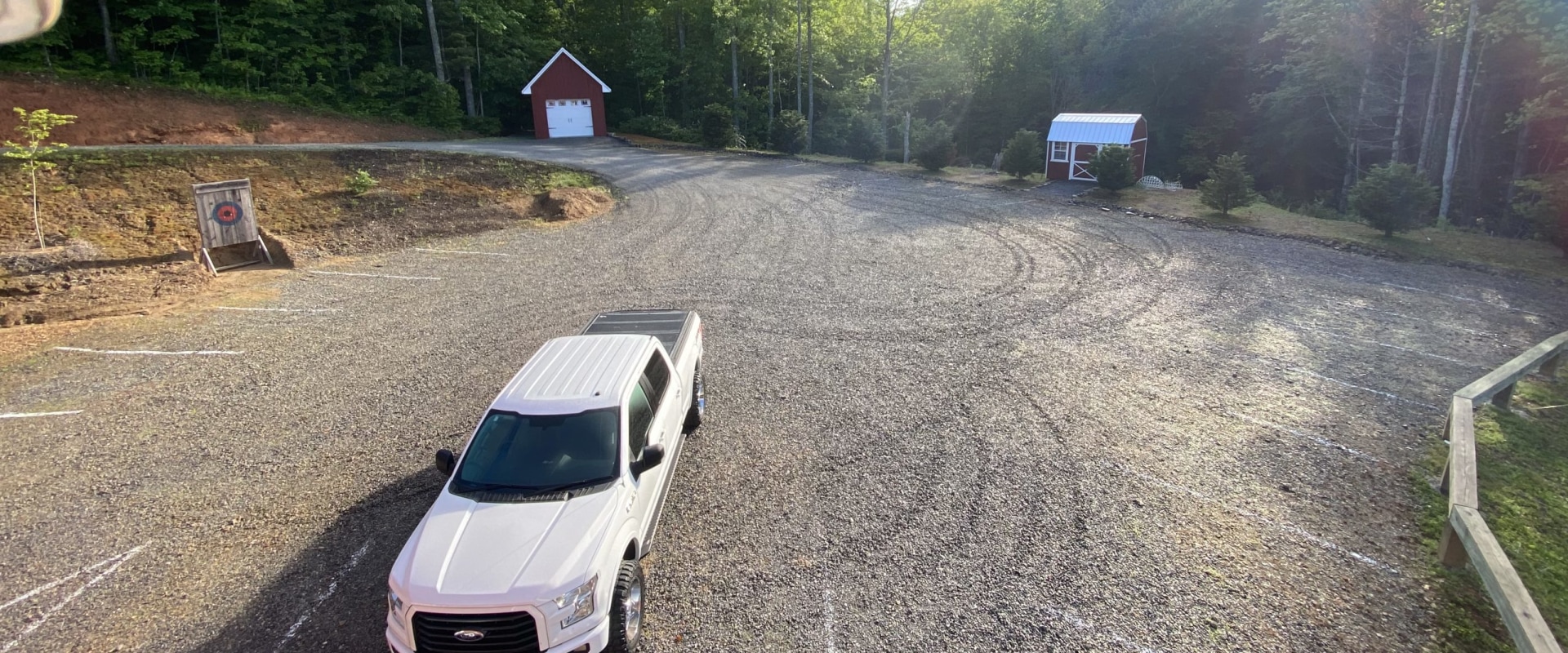
When planning a visit to a farm for a tour, understanding the types of parking facilities available can enhance your experience. Farms often cater to a variety of visitors, and their parking options reflect this diversity. Here are some common types of parking facilities you might encounter:- Gravel Lots: Many farms utilize gravel lots for parking.
These areas are typically spacious and can accommodate a large number of vehicles. While they may not be as smooth as paved surfaces, they are often sufficient for farm tours, especially in rural settings.
- Paved Parking Areas: Some farms invest in paved parking lots, providing a more comfortable experience for visitors. Paved areas are easier to navigate and can help prevent muddy shoes during wet weather.
- On-Street Parking: In certain cases, especially in urban or suburban farms, on-street parking may be available. This option can be convenient but may require visitors to walk a short distance to the farm entrance.
- Designated Accessible Parking: Many farms also offer designated accessible parking spaces for visitors with disabilities.
These spots are usually located close to the entrance, ensuring easy access to the farm facilities.
How to Prepare for Parking at a Farm Tour
When planning to attend a farm tour, understanding the parking situation can significantly enhance your experience. Here are some essential tips to help you prepare for parking at a farm tour:- Check Availability: Before heading out, visit the farm's website or contact them directly to inquire about parking availability. Some farms may have limited space, especially during peak seasons.
- Understand Fees: Be aware that some farms may charge a parking fee.
This information is often available on their website. Having cash or a card ready can save you time upon arrival.
- Arrive Early: To secure a good parking spot, consider arriving early. This is particularly important for popular tours that attract large crowds.
- Follow Signs and Instructions: Farms often have designated parking areas. Pay attention to signs and staff directions to ensure you park in the correct location.
- Consider Carpooling: If you're visiting with friends or family, carpooling can reduce the number of vehicles and make parking easier for everyone.
If rain is in the forecast, plan accordingly as muddy conditions can affect parking accessibility. Always check if the farm has any specific guidelines regarding vehicle types, especially if you’re driving a larger vehicle like an RV.By taking these steps, you can ensure a smoother experience when it comes to parking at your chosen farm tour. Being prepared not only saves time but also allows you to focus on enjoying the unique experiences that farm tours offer.
Frequently Asked Questions About Farm Tour Parking
When planning your visit to a farm tour, understanding the parking situation can significantly enhance your experience. Here are some common questions and answers regarding parking during these tours:- Is there a designated parking area for farm tours?
Yes, most farms hosting tours provide a designated parking area.This is typically located close to the entrance to ensure easy access for visitors.
- What should I do if the parking lot is full?
If you arrive and find the parking lot full, many farms have alternative parking options nearby or may direct you to overflow areas. It’s advisable to arrive early, especially during peak seasons, to secure a spot. - Is parking free during the farm tour?
Many farms offer free parking as part of their tour experience. However, some may charge a small fee, particularly if they have limited space or additional amenities. - Are there any restrictions on vehicle types?
Generally, standard vehicles are welcome. However, larger vehicles like RVs or buses may need special arrangements.It’s best to check with the farm in advance if you plan to bring a larger vehicle.
- Can I park my bicycle at the farm?
Most farms encourage eco-friendly transportation and provide bike racks or designated areas for cyclists. This is a great way to enjoy the scenic surroundings while visiting.
Alternatives to Driving: Getting to Your Farm Tour
When planning your visit to a farm tour, considering alternative transportation options can significantly enhance your experience while alleviating parking concerns. Here are some effective ways to reach your destination without the hassle of driving.Public Transportation
Many farms are accessible via local public transport systems, making it easier for visitors to enjoy a stress-free journey.Check the local bus or train schedules to see if there are routes that lead directly to the farm or nearby stops. Some farms even partner with public transit services to offer special routes during peak tour seasons.
Carpooling
Another excellent option is carpooling. By sharing a ride with friends or family, you not only reduce the number of vehicles at the farm but also make the trip more enjoyable. Consider organizing a carpool group through social media or community boards, where you can connect with others who are planning to attend the same farm tour.Biking and Walking
If you live nearby or are staying in a local accommodation, biking or walking can be a delightful way to reach the farm.Many farms have bike racks available, and the scenic routes can add to the overall experience of your visit. Plus, it’s an eco-friendly choice that supports sustainable tourism.
Ride-Sharing Services
For those who prefer not to drive but still want the convenience of door-to-door service, ride-sharing apps like Uber or Lyft can be a great alternative. These services allow you to avoid parking altogether and can drop you off right at the entrance of the farm.By exploring these alternative transportation options, you can enjoy your farm tour without worrying about parking logistics. Whether you choose public transport, carpooling, biking, or ride-sharing, each option contributes to a more relaxed and enjoyable experience on your visit to the farm.Conclusion: Making the Most of Your Farm Tour Experience
In conclusion, planning your visit to a farm tour involves more than just choosing the right day and time; it also includes understanding the parking arrangements.Many farms offer designated parking areas to ensure that visitors can easily access the tour without the stress of finding a spot. Here are some key takeaways to enhance your experience:
- Check Ahead: Before you head out, visit the farm's website or contact them directly to confirm their parking policies. Some farms may have limited parking or specific areas designated for visitors.
- Arrive Early: To secure a good parking spot and enjoy a leisurely start to your tour, consider arriving early. This not only gives you time to park but also allows you to explore any additional attractions the farm may offer.
- Carpooling: If you're visiting with friends or family, consider carpooling.
This not only reduces the number of vehicles but also enhances the experience as you share the journey together.
- Accessibility Options: If you or someone in your group has mobility challenges, inquire about accessible parking options. Many farms strive to accommodate all visitors, ensuring everyone can enjoy the tour.