Farm tours offer a unique opportunity to explore the vibrant world of agriculture, providing visitors with an immersive experience that goes beyond mere observation. These guided excursions allow individuals and families to step onto working farms, where they can witness firsthand the daily operations that sustain our food systems. From crop cultivation to livestock management, farm tours serve as a gateway to understanding the intricate processes involved in food production. One of the most appealing aspects of farm tours is the chance to connect with nature and learn about sustainable farming practices. Participants often engage with farmers who are passionate about their work, gaining insights into the challenges and rewards of agricultural life.
This interaction not only educates visitors about where their food comes from but also fosters a deeper appreciation for the hard work that goes into farming. Moreover, farm tours provide numerous benefits, including promoting local economies and encouraging community engagement. By visiting farms, tourists contribute to the livelihood of farmers and help support local businesses. Additionally, these tours often include activities such as fruit picking, animal feeding, and educational workshops, making them an enjoyable and enriching experience for all ages. As we delve deeper into the specifics of animal interaction during these tours, it becomes clear that such experiences can create lasting memories and foster a love for agriculture in future generations.
Types of Farm Tours
When it comes to farm tours, there are various options available to cater to different preferences and interests.Understanding the types of tours can significantly enhance your experience, whether you’re a family looking for a fun day out or an individual seeking a deeper connection with agriculture.
Guided Farm Tours
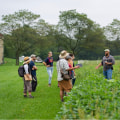
Guided farm tours are led by knowledgeable hosts who provide insights into the workings of the farm. These tours often include:- Interactive experiences: Participants may have the opportunity to feed animals, learn about sustainable farming practices, and even participate in seasonal activities like fruit picking.
- Educational components: Guides typically share stories about the farm’s history, its crops, and animal husbandry techniques, making it a great learning experience for all ages.
- Personalized attention: With smaller group sizes, guided tours allow for questions and discussions, enhancing the overall experience.
Self-Guided Farm Tours
If you prefer a more flexible approach, self-guided farm tours might be the right choice for you. These tours allow visitors to explore at their own pace and often include:- Freedom to roam: You can choose which areas of the farm to visit and spend as much time as you like in each section.
- Informational signage: Many farms provide maps and signs that offer information about various crops and animals, allowing for an educational experience without a guide.
- Family-friendly options: Self-guided tours can be particularly appealing for families with young children who may want to explore in their own way.
Animal Interaction During Farm Tours
When considering farm tours, one of the most exciting aspects for many visitors is the opportunity for animal interaction.Depending on the type of tour you choose, the level of interaction can vary significantly.
Types of Animal Interaction
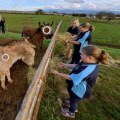
- Petting Zoos: Many farm tours include a petting zoo area where guests can get up close and personal with friendly animals such as goats, sheep, and rabbits. This hands-on experience allows visitors, especially children, to learn about animal care while enjoying the tactile experience of petting.
- Feeding Animals: Some tours offer the chance to feed animals. This can include feeding chickens, cows, or even llamas. It’s a fun way to engage with the animals and understand their dietary needs.
- Guided Interactions: Certain farms provide guided tours that include structured interactions with animals.
These may involve learning about specific breeds, their habitats, and behaviors while having the chance to touch or hold them under supervision.
Do You Get to Pet Animals on Farm Tours?
The answer is often yes, but it depends on the farm's policies and the specific tour package. Many family-friendly farms encourage animal experiences as part of their educational mission. However, some farms prioritize animal welfare and may limit direct contact to ensure that animals are not stressed by too much handling.
Safety Considerations
Understanding animal behavior is crucial; some animals may be more approachable than others.In conclusion, if you’re eager for animal interaction, look for tours that specifically advertise these experiences. Each farm has its unique offerings, so researching ahead can help you find the perfect tour that meets your expectations for animal encounters.
What to Expect from Animal Interactions
When you embark on a farm tour, one of the most exciting aspects is the opportunity for animal interactions. These experiences can vary widely depending on the farm, but visitors can generally expect a range of engaging activities that allow them to connect with the animals in a safe and enjoyable manner.Types of Animal Interactions
- Feeding Sessions: Many farms offer the chance to feed animals such as goats, sheep, and chickens. This hands-on experience not only allows you to get up close but also helps you learn about their diets and behaviors.
- Petting Areas: Designated petting areas are common on farm tours, where visitors can gently touch and interact with friendly animals like rabbits and calves.
These areas are often supervised to ensure both animal and visitor safety.
- Guided Tours: Some farms provide guided tours that include educational talks about the animals, their habitats, and their roles on the farm. This is a great way to deepen your understanding while enjoying direct interactions.
Safety During Animal Interactions
Your safety, as well as the well-being of the animals, is a top priority during farm tours. Here are some common safety measures you can expect:
- Supervision: Trained staff members are usually present during animal interactions to guide visitors and ensure that all interactions are safe.
- Health Guidelines: Farms often have health protocols in place, such as handwashing stations or sanitizers, to maintain hygiene before and after interacting with animals.
- Age Restrictions: Some farms may have age restrictions for certain interactions to ensure that younger visitors are accompanied by adults who can help manage the experience.
Popular Farm Tours with Animal Interaction
For families and animal lovers alike, farm tours that offer direct interaction with animals can create unforgettable experiences.Here are some of the most popular farm tours in the U.S. known for their engaging animal encounters:
- Old McDonald’s Farm (Texas): This family-friendly destination allows visitors to feed and pet a variety of animals, including goats, sheep, and even llamas. The interactive sessions are designed to educate children about farm life while providing hands-on experiences.
- Sunny Acres Farm (New Jersey): Known for its educational programs, Sunny Acres offers guided tours where kids can learn about animal care and participate in feeding sessions with chickens, pigs, and cows. The farm also hosts seasonal events that enhance the experience.
- Green Meadows Petting Farm (Florida): This farm specializes in interactive tours where children can hold baby animals, such as chicks and bunnies.
The friendly staff ensures that every visitor has a chance to engage with the animals safely.
- Sweet Berry Farm (Rhode Island): In addition to its berry-picking activities, Sweet Berry Farm features a petting zoo where families can interact with goats, sheep, and rabbits. The farm emphasizes sustainable practices and educates visitors on the importance of animal welfare.
Frequently Asked Questions About Farm Tours and Animal Interaction
When considering a farm tour, many visitors often wonder about the level of interaction they can expect with the animals. Here are some frequently asked questions regarding animal interaction during these tours:- Can I pet the animals? Most farms allow visitors to interact with certain animals, such as goats, sheep, and sometimes even cows.
However, it’s essential to follow the farm's guidelines and respect the animals' space.
- Are there any restrictions on animal interaction? Yes, some farms may have specific rules regarding which animals can be touched or fed. Always check with your tour guide or signage on the farm to ensure a safe experience for both you and the animals.
- What should I wear for a farm tour? Wear comfortable clothing and closed-toe shoes that you don’t mind getting dirty. Farms can be muddy or dusty, especially around animal enclosures.
- Can children interact with the animals? Many farms encourage children to engage with friendly animals under adult supervision. This interaction can be a fantastic educational experience for young visitors.
- Ask questions: Don’t hesitate to ask your guide about the animals and their care.
This can provide deeper insights into farm life.
- Follow safety protocols: Always adhere to the farm's rules regarding animal interaction to ensure everyone's safety.
- Bring treats: Some farms allow you to bring specific snacks for the animals, but always confirm this beforehand.
Tips for Enjoying Your Farm Tour Experience
To make the most of your farm tour experience, preparation is key. Here are some practical tips to enhance your visit:- Dress Appropriately: Wear comfortable clothing and sturdy shoes, as farm tours often involve walking on uneven terrain. Consider the weather; layers are a good choice for fluctuating temperatures.
- Bring Essentials: Pack a small backpack with essentials such as water, sunscreen, and insect repellent. Staying hydrated and protected from the sun will ensure you enjoy your tour without discomfort.
- Plan Your Visit: Check the farm's website or call ahead to understand the schedule of activities.
Some farms offer interactive experiences, so knowing what to expect can help you prioritize your time.
- Engage with Guides: Don’t hesitate to ask questions during the tour. Farm guides are usually knowledgeable and passionate about their work, and they can provide insights that enhance your understanding of farm operations.
- Respect the Animals: If animal interaction is part of the tour, follow all guidelines provided by the farm staff. Approach animals calmly and gently, and always supervise children closely to ensure safety for both visitors and animals.
Conclusion: The Joy of Farm Tours and Animal Interactions
In conclusion, farm tours offer a unique opportunity to connect with nature and experience the joy of interacting with animals. These tours are not just about observing; they provide a hands-on experience that can be both educational and heartwarming.During a typical farm tour, visitors often have the chance to:- Feed animals: Many farms allow guests to feed goats, sheep, and even cows, creating memorable moments that foster a deeper appreciation for these creatures.
- Petting sessions: Interacting with friendly animals like rabbits and chickens can be a delightful experience, especially for children who may be encountering farm animals for the first time.
- Guided interactions: Knowledgeable guides often share fascinating insights about each animal's behavior and role on the farm, enhancing the educational aspect of the tour.
Visitors often leave with a newfound respect for agriculture and animal husbandry, understanding the hard work that goes into caring for these animals. Moreover, such experiences can inspire future generations to appreciate farming and consider sustainable practices.Ultimately, farm tours that include animal interactions are not just recreational; they are transformative experiences that bridge the gap between urban life and rural traditions. Whether you are a family looking for an engaging outing or an individual seeking to reconnect with nature, participating in a farm tour can be a fulfilling adventure that enriches your understanding of where our food comes from and the importance of animal welfare.