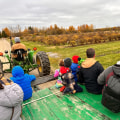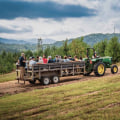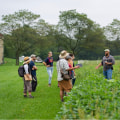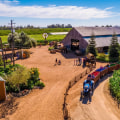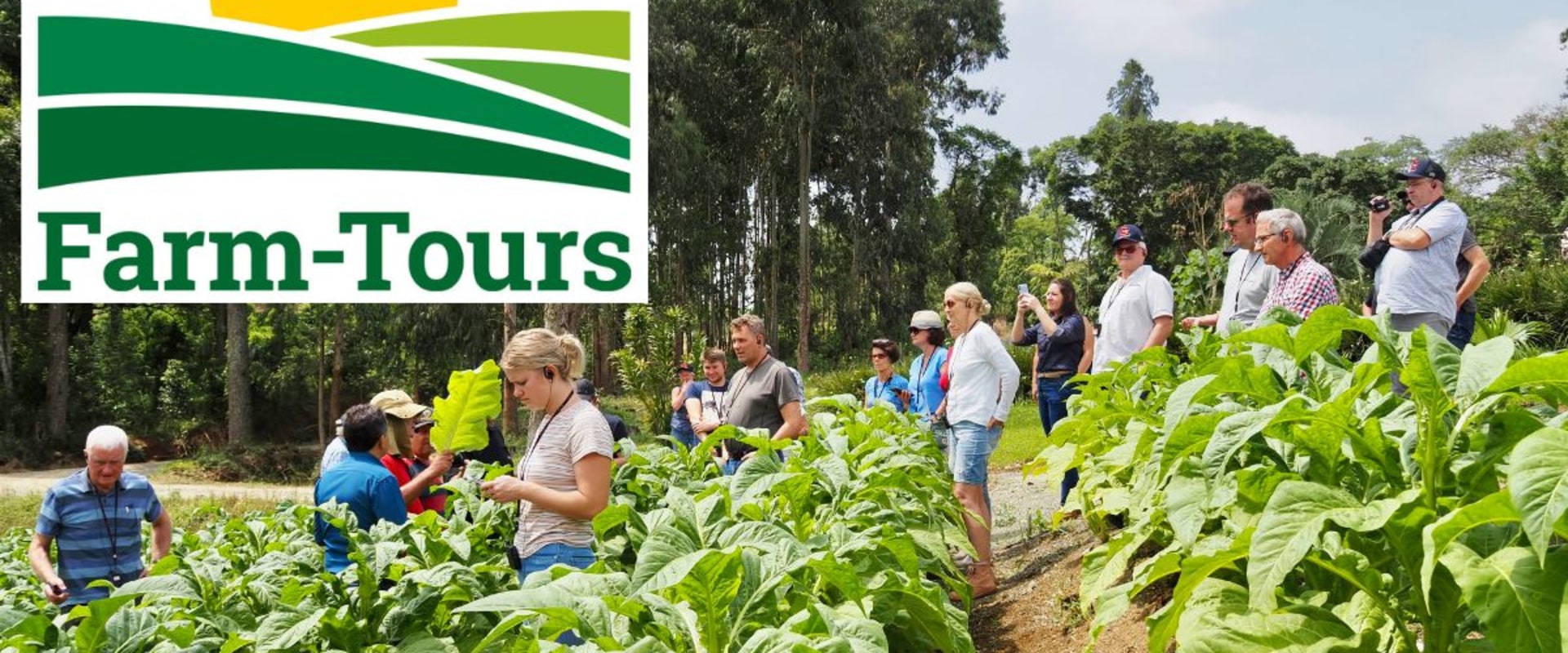
In recent years, farm tours have surged in popularity, captivating the interest of families, tourists, and even local residents seeking a unique experience. These immersive excursions offer a rare glimpse into the world of agriculture, allowing visitors to connect with the land and the people who cultivate it. As more individuals seek authentic experiences away from the hustle and bustle of urban life, farm tours have emerged as a delightful way to explore rural landscapes while learning about sustainable practices and local food production. The appeal of farm tours lies not only in their educational value but also in the opportunity they provide for hands-on experiences. Visitors can engage in activities such as fruit picking, animal feeding, and even participating in seasonal harvests.
This interactive approach fosters a deeper appreciation for where our food comes from and highlights the importance of supporting local farmers. Additionally, many farms offer unique products that can only be found on-site, making these tours a treasure trove for food enthusiasts. As the demand for farm tours continues to grow, understanding the logistics surrounding these experiences becomes essential. Many farms have implemented reservation systems to manage visitor flow and ensure a personalized experience. This not only enhances visitor satisfaction but also helps farmers maintain their operations efficiently.
Therefore, knowing whether you need to make reservations for a farm tour is crucial for planning your visit and maximizing your enjoyment of this enriching experience.
Do You Need Reservations for Farm Tours?
When planning a visit to a farm for a tour, one of the most common questions is whether reservations are necessary. The answer can vary significantly depending on the specific farm and its policies.Many farms do require reservations for tours, especially during peak seasons or weekends when visitor numbers can be high. This helps farms manage their resources effectively and ensure that each guest has a quality experience. For instance, farms that offer guided tours may limit the number of participants to maintain an intimate setting and provide personalized attention.On the other hand, some farms operate on a first-come, first-served basis, allowing visitors to drop in without prior arrangements.However, even in these cases, it’s advisable to check ahead of time, as certain activities or special events may necessitate booking in advance.
Farm Tour Reservation Policies
- Online Booking: Many farms have embraced technology and offer online booking systems. This allows visitors to secure their spots easily and often provides information about available time slots.
- Phone Reservations: Some farms prefer personal interaction and may require you to call ahead to make a reservation. This can also be an opportunity to ask any specific questions you might have about the tour.
- Group Tours: If you’re planning a visit with a large group, it’s usually essential to make reservations well in advance. Farms often have special policies for groups to ensure they can accommodate everyone comfortably.
Always check the specific farm's website or contact them directly for their farm tour reservation policies. This proactive approach will help ensure that your visit is enjoyable and well-organized.
Factors Influencing Reservation Requirements
When considering farm tours, several factors can influence whether you need to make a reservation. Understanding these elements can help ensure a smooth and enjoyable experience.Group Size
The size of your group is one of the primary factors affecting reservation requirements. Many farms have a maximum capacity for tours to maintain an intimate and educational atmosphere.If you are planning to visit with a large group, such as a school class or a family reunion, it is advisable to contact the farm in advance. Some farms may require reservations for groups exceeding a certain number, while others may offer special rates or packages for larger parties.
Seasonality of Farm Tours
The time of year can also play a significant role in whether reservations are necessary. During peak seasons, such as spring and fall when many farms host harvest festivals or seasonal activities, demand for tours can be high. In these cases, making a reservation is often recommended to secure your spot.Conversely, during off-peak times, some farms may allow walk-ins without prior arrangements.
Specific Farm Policies
Each farm may have its own policies regarding reservations. Some may require advance booking for all tours, while others might only do so during busy periods. It’s essential to check the farm's website or contact them directly to understand their specific requirements. Additionally, some farms offer guided tours at set times, which necessitates a reservation to ensure availability. In summary, when planning your visit to a farm tour, consider the size of your group, the seasonality of your visit, and the specific policies of the farm.By doing so, you can enhance your experience and avoid any potential disappointments.
How to Make Reservations for Farm Tours
Making reservations for farm tours can enhance your experience by ensuring you have a spot secured, especially during peak seasons. Here’s a step-by-step guide on how to effectively book your farm tour.1.Research Local Farms
Start by identifying farms in your area that offer tours. You can use search engines or social media platforms to find reviews and recommendations. Look for farms that align with your interests, whether it’s organic farming, livestock, or agritourism.2.Visit the Farm's Website
Most farms provide detailed information about their tours on their official websites.Look for a section dedicated to farm tours, where you can find details about tour schedules, pricing, and any special events. Many farms also have an online booking system that allows you to reserve your spot directly.
3.Check Availability
Before making a reservation, check the availability of the tour dates you are interested in. Some farms may have limited slots due to group size restrictions or seasonal operations. If the website does not provide this information, consider reaching out directly.4.Make Your Reservation
- Online Booking: If the farm offers an online booking option, follow the prompts to select your date and time, and provide any necessary information such as the number of participants.
- Phone Reservations: If you prefer a personal touch or have specific questions, call the farm directly.
This is also a great opportunity to inquire about any special accommodations or group discounts.
- Email Inquiries: Some farms may prefer email communication for reservations. Be sure to include all relevant details in your message to expedite the process.
5.Confirm Your Reservation
After making your reservation, ensure you receive a confirmation via email or text message. This confirmation typically includes important details such as meeting points, what to bring, and cancellation policies.Tip:
Always check if there are any specific requirements for the tour, such as age restrictions or dress codes, to ensure a smooth experience.By following these steps, you can easily make reservations for farm tours, allowing you to enjoy a unique and educational experience on the farm!What to Expect on a Farm Tour
When you embark on a farm tour, you can expect a unique blend of education and entertainment that immerses you in the world of agriculture. Each farm offers its own distinct experience, but there are common elements that many tours share.Typical Activities During Farm Tours
- Guided Walks: Most tours begin with a guided walk around the farm, where knowledgeable guides share insights about the crops, livestock, and farming practices.
- Hands-On Experiences: Many farms encourage visitors to participate in activities such as fruit picking, feeding animals, or even planting seeds, making the experience interactive and engaging.
- Tastings: Some tours include tastings of fresh produce or farm-made products like cheese, jams, or honey, allowing visitors to savor the flavors of the farm.
- Workshops: Educational workshops may be offered, covering topics like sustainable farming practices, cooking demonstrations, or crafting with natural materials.
Educational Aspects of Farm Tours
A significant benefit of participating in a farm tour is the educational component.Visitors gain valuable knowledge about:
- Agricultural Practices: Learn about organic farming methods, crop rotation, and pest management techniques that promote sustainability.
- Animal Husbandry: Understand the care and management of farm animals, including their diets and living conditions.
- Environmental Impact: Discover how farms contribute to local ecosystems and the importance of biodiversity in agriculture.
Frequently Asked Questions About Farm Tour Reservations
When planning a visit to a farm, many potential guests often wonder about the necessity of making reservations for farm tours. Here are some common questions and answers that can help clarify this topic.- Do I need to make a reservation for a farm tour?
While some farms welcome walk-in visitors, it is generally advisable to make a reservation. This ensures that you have a spot secured, especially during peak seasons when tours can fill up quickly. - How far in advance should I book my tour?
It’s best to book your tour at least a week in advance.This allows the farm to prepare for your visit and ensures that you can choose a time that works best for you.
- Are there any cancellation policies?
Most farms have specific cancellation policies. Be sure to check these details when making your reservation, as some may offer refunds while others may not. - Can I change my reservation?
Many farms are flexible with changes, but it’s important to contact them as soon as possible if you need to adjust your booking. This helps them manage their schedule effectively. - What if I arrive late for my tour?
Arriving late may result in missing part of the tour or, in some cases, being unable to join at all. It’s recommended to arrive at least 15 minutes early to ensure you don’t miss out on any experiences.
Always check the specific farm's website or contact them directly for the most accurate information regarding reservations.
Conclusion: Making the Most of Your Farm Tour Experience
In conclusion, understanding the reservation policies for farm tours is essential for maximizing your experience. As we have discussed, many farms require advance bookings to manage visitor flow and ensure a personalized experience. This not only helps the farm staff prepare adequately but also allows you to secure your spot during peak seasons when demand is high.Here are some key takeaways to consider:- Check Reservation Requirements: Always verify if the farm you plan to visit requires reservations. Some may offer walk-in options, while others may strictly operate on a reservation-only basis.
- Plan Ahead: If you have a specific date in mind, it’s wise to book your tour well in advance.
This is particularly important during weekends and holidays when farms are most popular.
- Understand Cancellation Policies: Familiarize yourself with the farm's cancellation policy. Knowing the terms can save you from unexpected fees or loss of deposit if your plans change.
- Consider Group Sizes: Some farms may limit the number of visitors per tour. If you're visiting with a large group, make sure to reserve enough spots to accommodate everyone.
So, before you head out for your next adventure, remember that a little planning goes a long way in enhancing your farm tour experience.